You don’t come to Bali only for beaches and sunsets. What makes the island truly unforgettable is its living culture, and one of the best ways to experience it is by visiting traditional villages in Bali where daily life still follows generations of customs, rituals, and community traditions.
These villages offer something you won’t find in busy tourist areas. You can walk through peaceful pathways, see traditional Balinese compounds, witness local ceremonies, and feel a deeper connection to the island’s heritage.
If you are looking for authentic cultural experiences beyond the usual attractions, here’s a carefully curated guide to the most meaningful traditional villages you can visit in Bali.
Quick Overview: Traditional Villages to Visit in Bali
Traditional villages in Bali are communities where local people still preserve their original way of life, including architecture, rituals, craftsmanship, and social structure. Visiting these villages gives you a deeper understanding of Balinese culture beyond tourist attractions.
Here’s a quick look at what you need to know:
- What defines a traditional village
A village that maintains original Balinese customs, temple structures, and community based living systems - Best villages to visit in Bali
Penglipuran Village, Tenganan Village, Trunyan Village, Sidemen Village, Bayung Gede Village, and Tigawasa Village - Types of experiences you can expect
Cultural walks, traditional house visits, local ceremonies, handicraft making, and rural lifestyle experiences - Best areas to find traditional villages
Bangli, East Bali, Kintamani, Karangasem, and North Bali - Who this experience is best for
Culture lovers, first time visitors, photographers, and travelers looking for authentic local experiences - How to visit easily
Most villages are spread across different regions, so visiting with a private driver or guided tour is the most convenient option
Best Traditional Villages to Visit in Bali
If you’re looking to experience the cultural heart of the island, Bali offers a variety of traditional villages, each with its own story, atmosphere, and way of life. Some are beautifully preserved and easy to explore, while others feel remote and deeply rooted in ancient traditions.
Here’s a curated selection of the best traditional villages to visit in Bali, so you can choose the experience that fits your travel style.
1. Penglipuran Village – The Most Well Preserved Traditional Village in Bali

Penglipuran Village is often considered the most well preserved traditional village in Bali, and it’s easy to see why the moment you arrive. The village is known for its perfectly aligned layout, where traditional gates and houses form a symmetrical pathway that feels both peaceful and visually striking.
What makes Penglipuran special is not just its appearance, but how well the community continues to uphold its cultural values. The village is exceptionally clean, vehicles are restricted, and local rules are still respected by residents and visitors alike. This creates an environment that feels calm, authentic, and welcoming.
Surrounding the village, you will also find a lush bamboo forest that adds to the natural beauty and provides a quiet escape from busier tourist areas.
What you can expect in Penglipuran Village:
- A symmetrical village layout with traditional Balinese gates
- Exceptionally clean and well maintained surroundings
- A peaceful walk through bamboo forest areas
- Opportunities to enter traditional homes and observe daily life
Quick info:
- Location: Bangli
- Best for: First time visitors, cultural photography, easy exploration
- Experience: Walking along village pathways, visiting family compounds, enjoying a calm cultural atmosphere
2. Tenganan Village – Ancient Bali Aga Culture and Unique Traditions
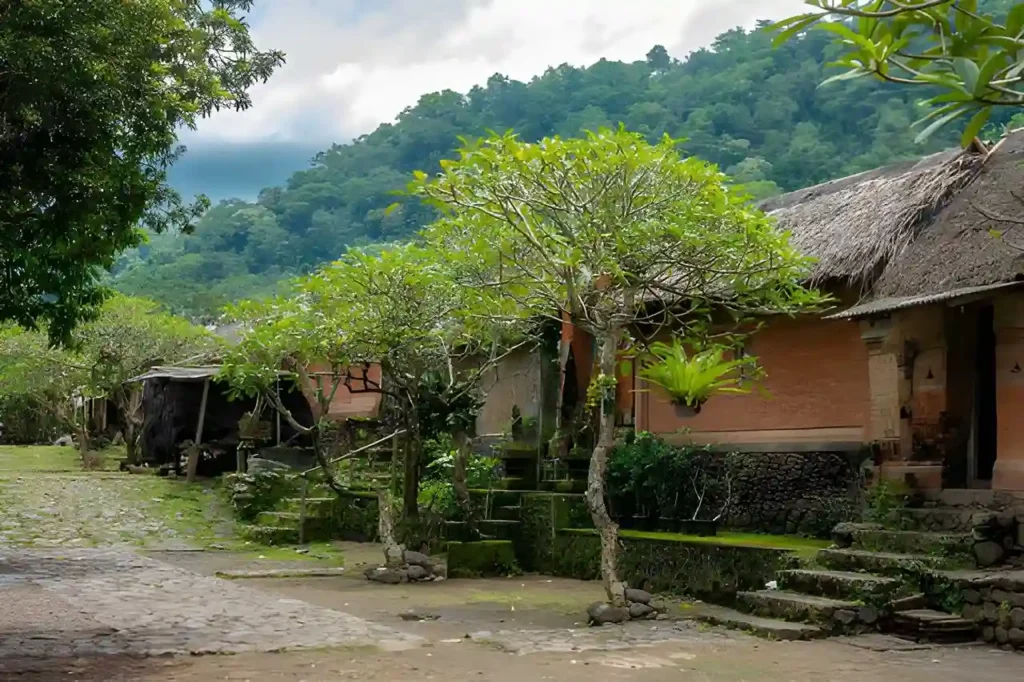
Tenganan Village offers a completely different perspective on Balinese culture. It is one of the few remaining Bali Aga villages, which means it preserves traditions that existed before the influence of Hindu Majapahit culture in Bali.
When you visit Tenganan, you are stepping into a community that has maintained its customs for centuries. One of its most remarkable cultural elements is the rare double ikat weaving technique, known locally as geringsing, which is only produced in a few places in the world.
The village is also known for its unique rituals, including the famous Perang Pandan, a ceremonial battle where participants use pandan leaves as symbolic weapons.
What makes Tenganan Village unique:
- One of Bali’s oldest Bali Aga communities
- Home of the rare double ikat textile tradition
- Strong preservation of ancient customs and village rules
- Cultural ceremonies that are rarely seen elsewhere in Bali
Quick info:
- Location: East Bali near Candidasa
- Best for: Culture enthusiasts, history lovers, travelers seeking deeper cultural insight
- Experience: Learning traditional weaving, exploring village compounds, witnessing unique rituals (seasonal)
3. Trunyan Village – One of Bali’s Most Unique and Mysterious Villages
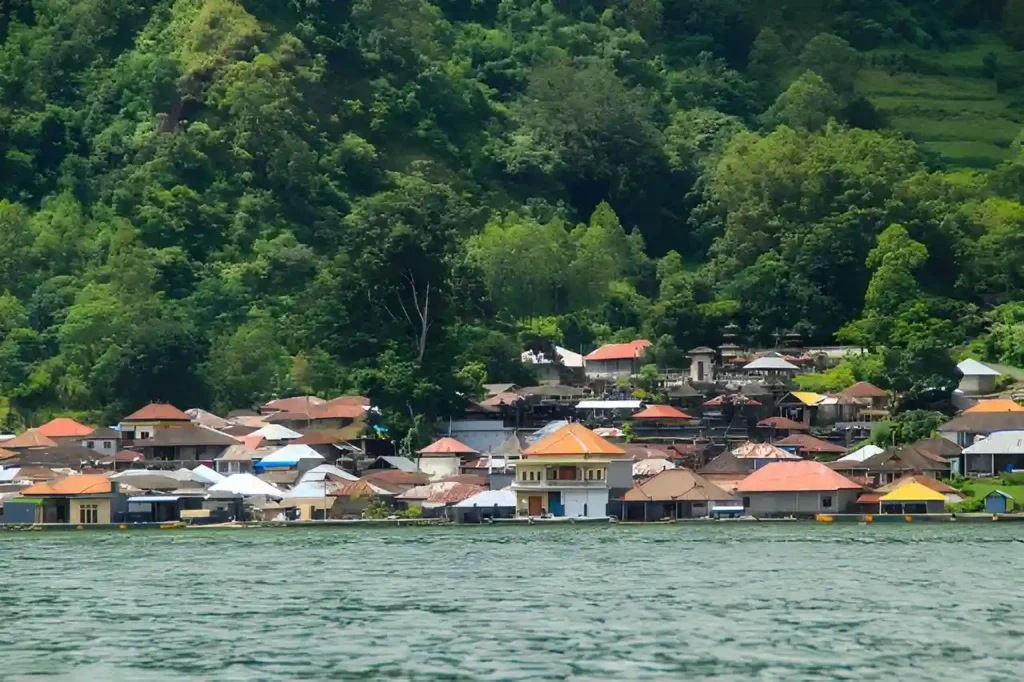
Trunyan Village is unlike any other place in Bali. Located on the edge of Lake Batur, this village is known for its ancient and unusual burial tradition that continues to this day.
Instead of cremation or burial, the deceased are placed openly under a sacred tree known as Taru Menyan. What makes this practice even more fascinating is that the tree naturally neutralizes odors, allowing the tradition to continue in harmony with the environment.
Reaching Trunyan requires a boat journey across the lake, which adds a sense of adventure and exclusivity to the experience.
What makes Trunyan Village stand out:
- Unique open air burial tradition
- Sacred Taru Menyan tree with natural odor neutralizing properties
- Remote location accessible by boat
- Strong preservation of ancient beliefs and customs
Quick info:
- Location: Kintamani area, near Lake Batur
- Best for: Curious travelers, cultural explorers, those seeking unusual experiences
- Experience: Boat ride across Lake Batur, visiting the cemetery area, learning about ancient traditions
4. Sidemen Village – Traditional Life Surrounded by Rice Fields and Mount Agung
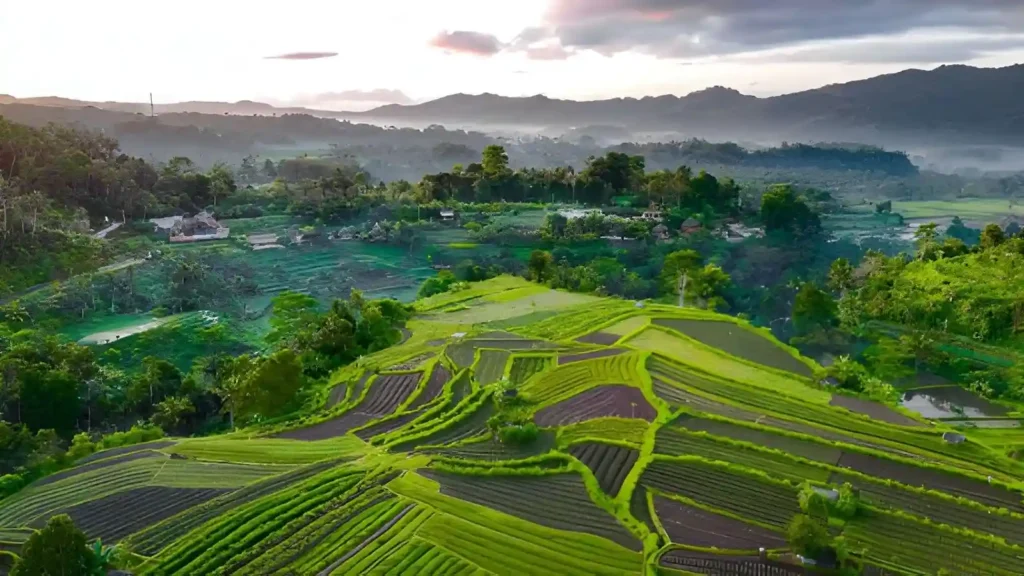
Sidemen Village offers a softer and more peaceful cultural experience, where you can see how traditional life blends naturally with Bali’s stunning landscapes. Surrounded by rice fields and views of Mount Agung, this village feels like a quieter, less commercial version of Ubud.
Here, daily life revolves around farming, weaving, and community activities. You won’t find large crowds, which makes it ideal if you want to slow down and truly connect with local life.
Sidemen is not just about culture, but also about atmosphere. It’s a place where you can walk through rice fields, observe traditional farming methods, and experience Bali at a more relaxed pace.
What you can experience in Sidemen Village:
- Traditional farming and rural lifestyle
- Expansive rice field landscapes with mountain views
- Local weaving and handicraft activities
- A calm and less touristy environment
Quick info:
- Location: East Bali (Sidemen Valley area)
- Best for: Slow travel, nature lovers, cultural immersion
- Experience: Walking through rice terraces, visiting local homes, enjoying peaceful village scenery
5. Bayung Gede Village – A Quiet Village with Ancient Traditions Near Kintamani
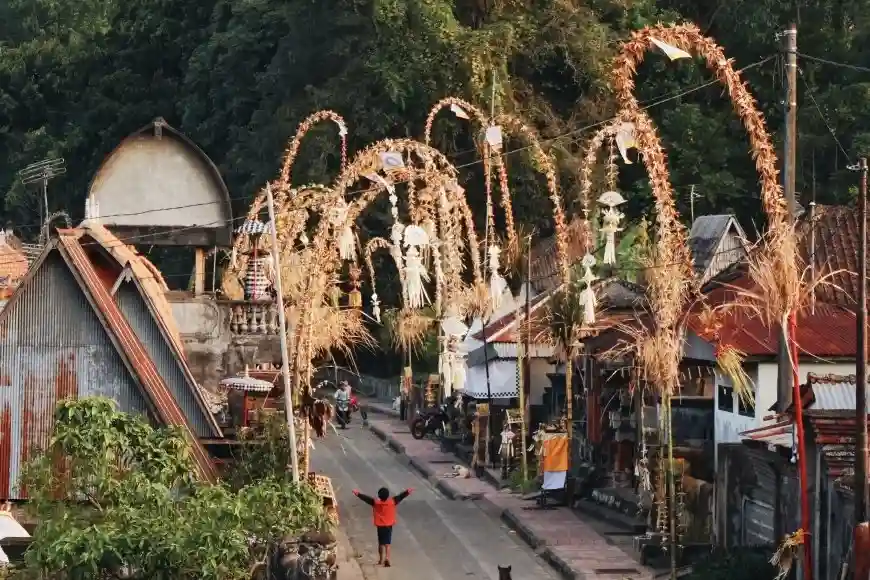
Bayung Gede Village is one of the lesser known traditional villages in Bali, but it offers a deeply authentic experience for those willing to explore beyond popular routes. Located near Kintamani, the village maintains strong community traditions that have been passed down for generations.
What makes Bayung Gede particularly interesting is its unique burial customs, which differ from the more commonly known Balinese cremation practices. The village also has a strong sense of community life, where traditions are not performed for visitors, but are part of everyday living.
Because it is less visited, the atmosphere feels more genuine and undisturbed.
Why visit Bayung Gede Village:
- Less touristy and more authentic atmosphere
- Unique and lesser known burial traditions
- Strong community based cultural practices
- Close proximity to Kintamani region
Quick info:
- Location: Near Kintamani, Bangli
- Best for: Off the beaten path travelers, cultural explorers
- Experience: Observing daily village life, learning about local customs, experiencing a quieter side of Bali
6. Tigawasa Village – Authentic North Bali Village with Traditional Crafts
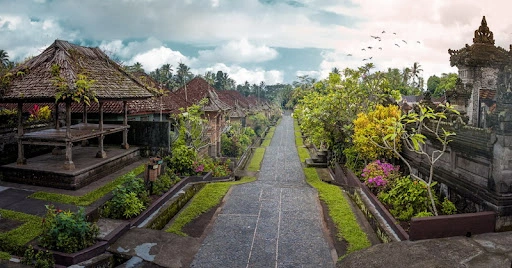
Tigawasa Village is located in the northern part of Bali, an area that is often overlooked by travelers. This makes it one of the best places to experience a truly untouched and authentic Balinese village atmosphere.
The village is well known for its traditional bamboo weaving craftsmanship, which is still practiced by local families. As you walk through the area, you can see how daily life continues much as it has for generations.
Its remote location means fewer tourists, allowing you to experience a more intimate and genuine connection with the local culture.
What makes Tigawasa Village special:
- Traditional bamboo weaving craftsmanship
- Remote and peaceful North Bali setting
- Minimal tourism and authentic daily life
- Strong preservation of local traditions
Quick info:
- Location: North Bali (Buleleng region)
- Best for: Travelers seeking untouched culture, craft lovers, off grid experiences
- Experience: Visiting local artisans, exploring quiet village surroundings, experiencing authentic rural Bali
For a deeper and more meaningful experience, you can explore 5-Day Spiritual Itinerary in Bali: A Mindful Journey Through Sacred Places and Nature.
Which Traditional Village in Bali Is Best for You?
With so many unique options, choosing the right traditional village in Bali really comes down to the kind of experience you are looking for. Each village offers a different perspective of Balinese culture, from well preserved layouts to ancient rituals that are still practiced today.
To help you decide quickly, here’s how each village fits different travel styles and expectations:
- For first time visitors → Penglipuran Village
If this is your first time exploring Balinese culture, Penglipuran is the easiest and most accessible starting point. The layout is organized, the atmosphere is welcoming, and you can experience traditional architecture without feeling overwhelmed. - For deep cultural insight → Tenganan Village
Tenganan is ideal if you want to understand Bali beyond the surface. Its Bali Aga heritage, rare weaving traditions, and strong customs offer a more educational and immersive cultural experience. - For unique and unusual traditions → Trunyan Village
If you are curious about lesser known cultural practices, Trunyan stands out. Its open air burial system and sacred tree create one of the most distinctive cultural experiences in Bali. - For peaceful scenery and slow travel → Sidemen Village
Sidemen is perfect if you want to combine culture with nature. The calm surroundings, rice fields, and views of Mount Agung make it ideal for a more relaxed and reflective journey. - For off the beaten path exploration → Tigawasa Village
If you prefer places that feel untouched by tourism, Tigawasa offers a raw and authentic village atmosphere, especially with its traditional bamboo craftsmanship and quiet setting in North Bali.
Each of these villages reveals a different layer of Bali. The best choice depends on whether you want something easy and scenic, deeply cultural, or completely off the grid.
Tips Before Visiting Traditional Villages in Bali
Visiting traditional villages in Bali is not just about sightseeing, it is about stepping into a living community where traditions are still respected and practiced daily. A little awareness and respect can make your experience more meaningful and welcomed.
Here are a few important things to keep in mind before you visit:
- Respect local customs
Always be mindful that these villages are not museums, but real communities. Follow local guidelines and be respectful during ceremonies or daily activities. - Dress modestly
Wearing appropriate clothing is important, especially when entering temple areas or traditional compounds. Light, modest outfits that cover shoulders and knees are recommended. - Ask before taking photos
While many areas are open to visitors, it is always polite to ask permission before photographing people, homes, or religious activities. - Bring cash for small contributions
Some villages may have entrance donations, and you might also want to support locals by purchasing handmade crafts or products. - Consider visiting with a local guide
Exploring with a guide can significantly enrich your experience. You will gain deeper insights into traditions, meanings behind rituals, and the daily life of the community that you might otherwise miss.
By approaching your visit with respect and curiosity, you not only enjoy a more authentic experience, but also contribute positively to preserving Bali’s cultural heritage.
Discover the Real Bali Through Its Traditional Villages with the Right Local Experience
Exploring traditional villages in Bali is one of the most meaningful ways to understand the island beyond its popular attractions. From the structured beauty of Penglipuran to the ancient traditions of Tenganan and the quiet landscapes of Sidemen, each village offers a different window into Bali’s living culture.
What many travelers don’t realize is that these villages are spread across different regions, often in areas that are not easy to navigate on your own. Timing, local knowledge, and understanding cultural context can make a big difference between simply visiting and truly experiencing.
This is where having the right local support becomes valuable. With a well planned private tour, you can explore multiple traditional villages comfortably, learn the stories behind each place, and experience Bali in a deeper and more personal way.
If you want your journey to feel smooth, insightful, and memorable, exploring these traditional villages with a trusted local team like Marina Bali Tours can help you experience the authentic side of Bali without the stress of planning every detail.
Frequently Asked Questions About Traditional Villages to Visit in Bali
What are the most traditional villages to visit in Bali?
The most well known traditional villages in Bali include Penglipuran Village, Tenganan Village, Trunyan Village, Sidemen Village, Bayung Gede Village, and Tigawasa Village, each offering a unique cultural experience.
Which traditional village in Bali is best for first time visitors?
Penglipuran Village is the best choice for first time visitors because it is well organized, easy to explore, and clearly represents traditional Balinese architecture and culture.
Are traditional villages in Bali open to tourists?
Yes, most traditional villages in Bali welcome visitors, but you are expected to respect local customs, follow village rules, and behave appropriately during your visit.
What can you do in a traditional village in Bali?
You can walk through village pathways, visit traditional homes, observe daily life, learn about local crafts, and sometimes witness cultural ceremonies depending on the time of your visit.
Do you need a guide to visit traditional villages in Bali?
You do not strictly need a guide, but having one can greatly enhance your experience by explaining cultural meanings, traditions, and helping you navigate different locations more efficiently.
What should you wear when visiting traditional villages in Bali?
You should wear modest clothing that covers your shoulders and knees, especially when entering temple areas or participating in cultural visits.
How do you get to traditional villages in Bali?
Most traditional villages are located in rural areas, so the easiest way to visit them is by hiring a private driver or joining a guided tour.
When is the best time to visit traditional villages in Bali?
The best time to visit is in the morning or early afternoon when the weather is more comfortable and village activities are more active.
If you want to explore more authentic cultural experiences, hidden places, and meaningful journeys across the island, you can continue discovering Bali through our complete travel guides.