Bali is often described as an island where spirituality is closely tied to nature, and nowhere is this more visible than in its water temples. These sacred places are built around natural springs and rivers, where water is not just a physical element but also a symbol of cleansing, balance, and renewal in daily life.
At the center of this tradition is the concept of tirta, or holy water, which plays an important role in Balinese Hindu culture. From daily offerings to purification rituals, water temples have long been spaces where people come to reset both spiritually and emotionally.
If you’re exploring Bali beyond beaches and scenery, these sacred water temples offer a completely different kind of experience, one that feels quieter, deeper, and more meaningful. Here are the most important water temples in Bali you should know.
What Is a Water Temple in Bali?
A water temple in Bali refers to a sacred Hindu site built around a natural spring, river, or water source, where holy water, known as tirta is used for spiritual purification. This concept is deeply rooted in Balinese Hinduism, where water is believed to carry cleansing energy that can restore balance to the mind, body, and spirit.
One of the most well-known practices in these temples is the melukat ritual, a traditional purification process that involves bathing or washing under sacred fountains. These places are not created as tourist attractions, but as active spiritual spaces that continue to be used for daily prayers, ceremonies, and community rituals.
- tirta refers to holy water used in spiritual cleansing
- water temples are part of Balinese Hindu religious practice
- melukat is a purification ritual performed in sacred springs
- most temples are still actively used by local communities
- visitors are welcome but must follow cultural etiquette
Why Water Temples Are Important in Balinese Culture
Water temples hold a very important place in Balinese culture because they represent the connection between spirituality, nature, and everyday life. Water is seen as a life-giving force, not just for physical survival, but also for emotional and spiritual balance, which is why many rituals in Bali are centered around rivers, springs, and irrigation systems.
Beyond their religious role, these temples also reflect how deeply nature is integrated into community life. Many villages rely on water temples not only for spiritual ceremonies but also for maintaining harmony between humans, nature, and the environment.
- Spiritual cleansing is a key belief in Balinese Hinduism
- Water symbolizes balance, purity, and renewal
- Temples are often located near rivers, springs, or rice field systems
- Used regularly for community prayers and ceremonies
- Represents harmony between humans, nature, and the spiritual world
Best Water Temples in Bali for Spiritual Experience
Bali has a unique spiritual landscape where water temples are still actively used as part of daily religious life, not just historical sites. Each temple carries its own rhythm, some are highly structured and ceremonial, while others feel more natural and quiet.
Together, they form the foundation of Bali’s water-based spiritual tradition that revolves around purification, balance, and connection with nature.
Below are the most important water temples in Bali that represent this living tradition.
1. Tirta Empul

Among all water temples in Bali, Tirta Empul is the most well-known and culturally significant. This is where the concept of melukat, Balinese water purification ritual, is most clearly practiced in a structured and organized way. The temple is built around a natural spring that continuously flows into a series of purification pools, creating a setting where ritual and daily worship coexist.
What makes this temple especially important is the way the experience is guided through a sequence of sacred fountains, each carrying symbolic meaning in the cleansing process.
- Most iconic water purification temple in Bali
- Active melukat ritual performed daily by locals and visitors
- Structured fountain system with spiritual sequence
- Sacred spring considered spiritually powerful
- Strong cultural and religious significance in Balinese Hinduism
Even with its popularity, the temple remains an active place of worship, which means the atmosphere can shift between cultural visitation and real spiritual practice at any time.
2. Tirta Empul Sebatu
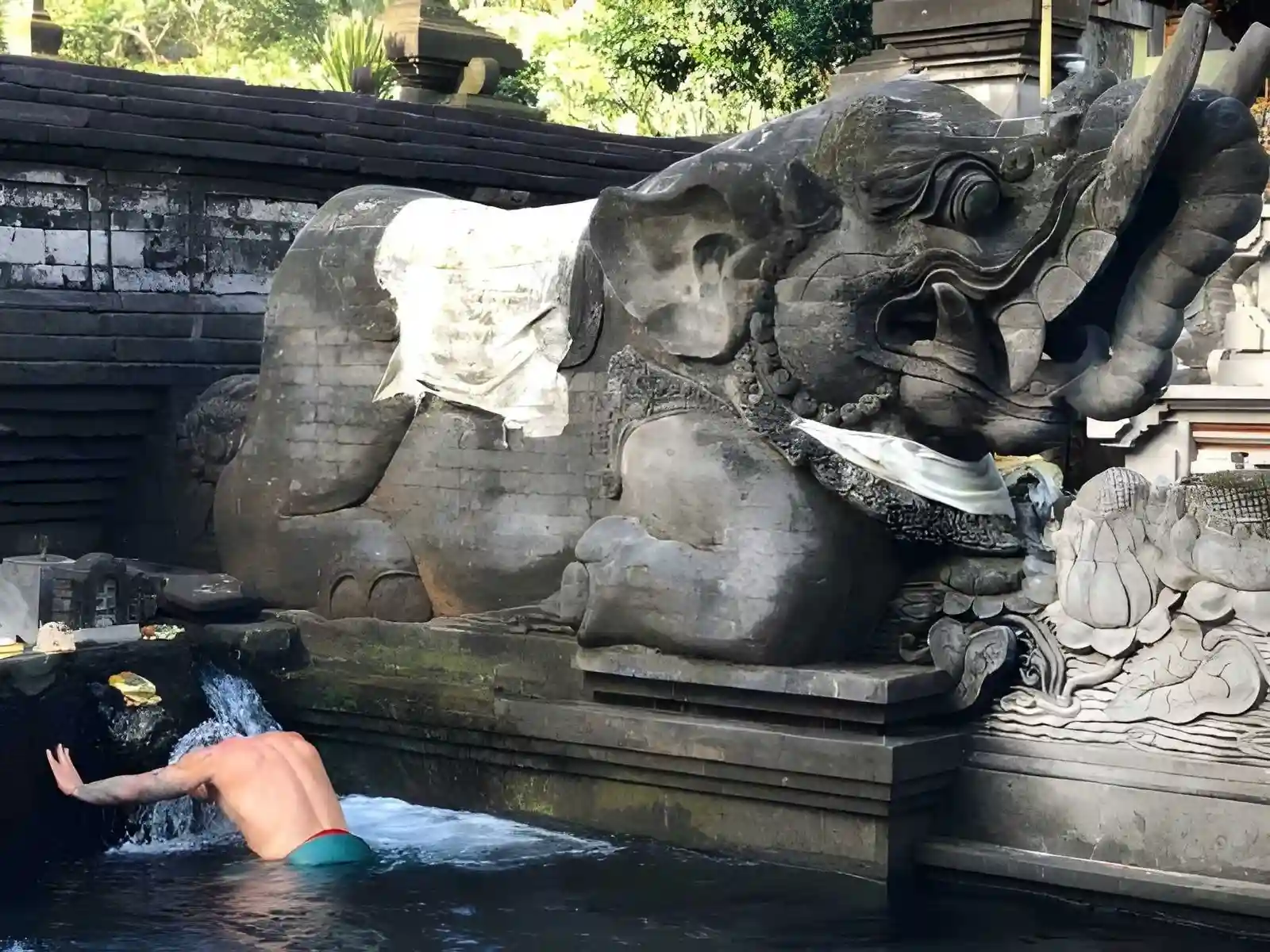
If Tirta Empul feels central and structured, then Tirta Empul Sebatu offers a softer and more natural interpretation of the same purification tradition. Hidden within a greener and quieter environment, this temple feels less crowded and more connected to nature, making the experience more personal and reflective.
The purification ritual here follows a similar concept, but the setting changes the entire feeling of the experience.
- Quieter alternative water temple in central Bali
- Surrounded by natural jungle and spring water pools
- Less crowded purification experience (melukat)
- More relaxed and reflective atmosphere
- Still actively used for spiritual rituals
This is often chosen by those who want a more peaceful version of Bali’s water temple experience.
3. Goa Gajah

Unlike open spring temples, Goa Gajah offers a different expression of water spirituality through its historical bathing pools and cave structure. This temple blends archaeology, spirituality, and ritual spaces in one compact area, giving it a very distinct atmosphere compared to other water temples in Bali.
The bathing pools here were historically used for cleansing rituals, while the cave itself was used for meditation and spiritual practice.
- Ancient temple with cave meditation space
- Historical bathing pools used for purification rituals
- Mix of Hindu and Buddhist cultural influence
- Archaeological and spiritual significance
- Quieter heritage-focused experience
It represents the historical layer of Bali’s water temple tradition rather than just the ritual aspect.
4. Pura Gunung Kawi
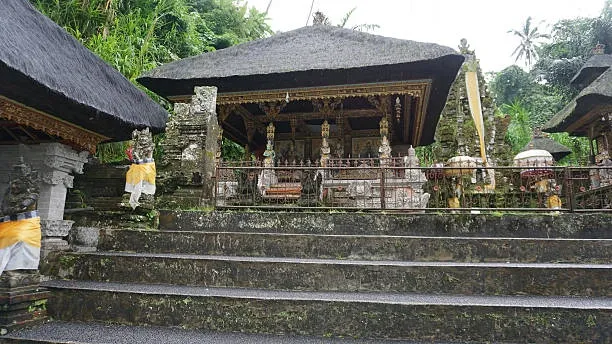
Set deep inside a river valley, Pura Gunung Kawi shows how water and landscape are deeply integrated into Balinese spirituality. Instead of a single spring pool, the temple is carved into cliffs along a river system, surrounded by rice terraces and natural water flow.
The journey itself, descending a long staircase through nature, is already part of the spiritual experience before even reaching the temple area.
- Cliff-carved royal temple complex in river valley
- Surrounded by rice terraces and natural water flow
- Connected to Bali’s sacred irrigation and water system
- Scenic descent through nature before arrival
- Calm and less commercial atmosphere
This temple reflects water spirituality on a landscape level rather than ritual level alone.
5. Taman Mumbul Sangeh
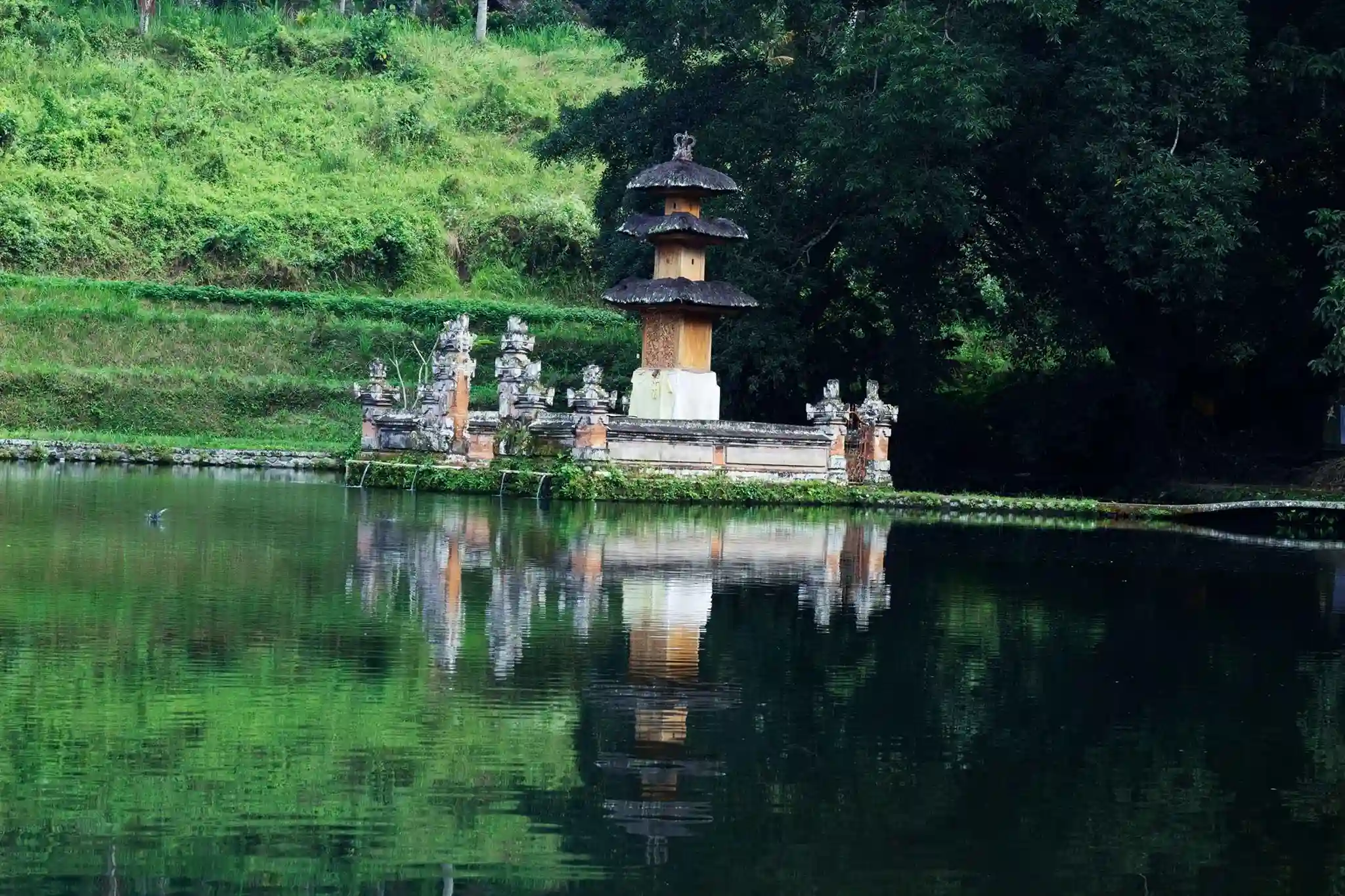
More local and less visited, Taman Mumbul Sangeh represents the everyday side of Bali’s water temple tradition. It is still actively used by local communities for purification rituals, but without the heavy tourist presence seen in more famous temples.
The atmosphere here feels simple, quiet, and closely connected to community spiritual life.
- Local holy spring purification temple
- Used for daily community rituals
- Less tourist traffic, more authentic experience
- Natural spring water setting
- Strong connection to living Balinese tradition
This is where you see water temple culture in its most grounded and everyday form.
Best Time to Visit Bali Water Temples
Timing plays a big role when visiting Bali’s water temples because the experience is closely tied to atmosphere, crowd level, and even how “spiritual” the place feels in practice. These temples are not just sightseeing spots, so when you arrive can completely change how you experience them, from quiet reflection to busy ritual activity.
In general, earlier hours tend to give the most balanced experience, while midday conditions are usually less ideal for both comfort and atmosphere.
- Morning (best time)
Early hours are the most recommended because the atmosphere is calmer, the air is cooler, and temple spaces feel more peaceful. This is also when melukat rituals often feel more personal and less crowded. - Midday (avoid peak hours if possible)
Around late morning to early afternoon, most popular temples become busy with group tours and heat intensity increases, which can reduce comfort during rituals or exploration. - Ceremony days (cultural experience but unpredictable flow)
If you arrive during local ceremonies, you may see a deeper cultural atmosphere, but access to certain areas can be limited or temporarily adjusted. - Weather considerations
Rainy or cloudy conditions don’t stop visits, but dry mornings generally offer better walking conditions and clearer temple surroundings.
Overall, early morning remains the most consistent “sweet spot” for both comfort and spiritual atmosphere.
Combine Bali Water Temples With Cultural Day Tours
Bali water temples are often spread across different regions, which makes them ideal to combine into a broader cultural day trip rather than visiting them one by one. Many of these temples are located near other cultural landscapes, so planning them in one route helps you experience Bali in a more connected and meaningful way.
Instead of treating each stop separately, most travelers naturally combine them into themed journeys based on region and experience type.
- Ubud temple cluster
Water temples like Tirta Empul and cultural sites such as Goa Gajah are often paired together with central Bali exploration. - rice terrace landscapes
Temple visits are commonly combined with scenic nature stops like Tegalalang Rice Terrace, creating a balance between cultural and natural experiences. - cultural village routes
Some itineraries also include traditional villages where you can see daily Balinese life alongside temple visits, giving a more complete cultural context.
This kind of combination is what makes temple exploration in Bali feel more meaningful, because it’s not just about individual locations, but how they connect within a full-day journey.
Explore Bali Sacred Water Temples More Comfortably With Marina Bali Tours
Exploring Bali’s sacred water temples is not just about visiting a single location, but often involves moving across different regions where each temple has its own spiritual context, timing patterns, and cultural meaning. From central Bali’s purification temples to quieter spring sites, the experience can feel more meaningful when the route is well arranged and the cultural background is properly understood.
This is where having a structured approach makes a difference—especially because rituals, timing, and temple etiquette can vary from one place to another. With the right flow, the experience feels less rushed and more connected as a spiritual journey rather than separate stops.
With Marina Bali Tours, these water temple experiences can be arranged into a smoother cultural route, helping you focus more on the meaning of each place instead of managing logistics or timing between locations.
Bali Tours Package by Marina Bali Tours helps you combine temple visits, cultural sites, and natural landscapes into a more balanced and well-paced journey across Bali.
For more spiritual experiences, temple guides, and cultural journeys across Bali, continue exploring our related articles below.
FAQs About Water Temples in Bali
What is a water temple in Bali?
A water temple in Bali is a sacred Hindu site where holy spring water (tirta) is used for purification rituals called melukat, which are still actively practiced today.
What is the most famous water temple in Bali?
Tirta Empul is the most famous water temple in Bali, known for its structured purification pools and active ritual practice.
Can tourists join water temple rituals in Bali?
Yes, many water temples in Bali allow visitors to take part in purification rituals as long as they follow proper dress code and respect local customs.
What should you wear to Bali water temples?
You should wear modest clothing that covers shoulders and knees, and a sarong is usually required and provided at temple entrances.
Are Bali water temples religious or tourist attractions?
They are primarily active religious sites used for daily spiritual practices, although they are also open to visitors who want to learn and observe respectfully.