When you think of Bali, you might picture beaches, resorts, or lively nightlife. However, Bali offers much more than a holiday destination. Together, we invite you to look at Bali from a different perspective, as an island where spirituality is part of everyday life and not something created for tourism.
In this 5-day spiritual itinerary in Bali, we guide you through sacred places, cultural experiences, and natural settings that allow you to slow down and reconnect. The itinerary is designed to feel realistic and comfortable, especially if this is your first time visiting Bali. Instead of rushing through attractions, you are given space to experience Bali at a calmer pace while still learning and exploring.
With five days, you have enough time to understand Bali’s spiritual side without feeling overwhelmed. We focus on balance by combining cultural education, light activities, and moments of quiet reflection, so you can enjoy a meaningful journey without sacrificing comfort.
Why Bali Is Ideal for a Spiritual Journey
Bali’s spiritual atmosphere is not something that was designed for visitors. It naturally exists as part of daily life. Religion, culture, and nature are closely connected, and you can see this connection in the way people live, work, and worship across the island.
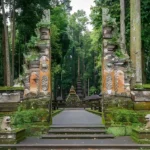
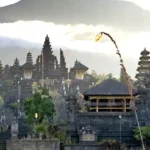
One reason Bali feels spiritually rich is the presence of thousands of temples. You will find large temples used for major ceremonies, as well as small shrines in family homes and villages. These are active places of worship, and you are witnessing real cultural practices rather than staged experiences.
Another important element is the Balinese philosophy of Tri Hita Karana, which emphasizes harmony between humans, nature, and the spiritual world. You do not need to study this concept to understand it. You can observe it through daily offerings placed on streets, at temples, and in natural spaces, as well as through the respect given to rivers, forests, and rice fields.
Bali’s landscape also supports a more mindful way of traveling. Mountains, waterfalls, and quiet rural areas offer you the opportunity to step away from crowds and slow down. Compared to busy urban destinations, many parts of Bali still encourage reflection through their natural surroundings and slower rhythm of life.
The 5-Day Spiritual Journey: Day-by-Day Experience
Wondering how this spiritual journey unfolds day by day? Here is a closer look at how each day is thoughtfully designed to balance culture, nature, and meaningful experiences.
Day 1: Arrival and Grounding in Ubud

Your spiritual journey begins in Ubud, and this starting point is chosen deliberately. Ubud has long been considered the cultural and spiritual heart of Bali due to its landscape, traditional villages, and daily religious practices. Compared to coastal areas, the atmosphere here is calmer and more suitable for adjusting after your arrival.
On the first day, the focus is on grounding rather than exploration. After a long journey, your body and mind need time to adapt. Instead of visiting many attractions, you ease into Bali’s rhythm at a comfortable pace.
To help you settle in, this day typically includes:
- A light walk around your accommodation or nearby village areas, where you can observe daily offerings and small family shrines
- A short visit to a nearby temple, such as Saraswati Temple or a local neighborhood temple, without spending too much time
- Late afternoon timing, when the temperature is cooler and the surroundings feel less busy
The evening is best kept simple. A relaxed dinner or quiet time at your accommodation allows you to rest and prepare for the following days. By keeping the first day light, you avoid physical fatigue and give yourself space to become familiar with Bali’s spiritual environment naturally.
Day 2: Sacred Water Temples and Inner Cleansing

With your energy more settled, the second day introduces you to one of the most important elements of Balinese spirituality: water temples. In Bali, water is considered sacred and essential for spiritual balance, which is why water temples play a central role in religious life.
One of the most well-known sites is Tirta Empul, a holy spring temple that has been used for purification rituals for centuries. This temple remains an active place of worship, and you will often see locals performing rituals alongside visitors.
During this day, you are encouraged to approach the experience with respect and awareness. The focus is not on understanding every ritual detail, but on observing and engaging thoughtfully.
Key aspects of this day include:
- Visiting a water temple in the morning, when the atmosphere is generally calmer
- Wearing appropriate temple attire and following local guidance
- Taking time to observe how locals interact with the sacred space
- Allowing moments of stillness before and after the visit
If you choose to participate in the purification ritual, you do so at your own comfort level. Participation is optional and should never feel rushed. After the temple visit, keeping the rest of the day light helps maintain the calm atmosphere created earlier. A quiet lunch or a short village walk nearby allows you to reflect and stay present.
Placing this experience on the second day is intentional. After adjusting on day one, you are better prepared to engage with Bali’s spiritual traditions in a respectful and balanced way.
Day 3: Nature, Silence, and Self-Reflection

On the third day, the focus shifts more clearly to nature-based spiritual experiences, which are deeply connected to daily life in Bali. Rather than symbolic or abstract ideas, this day introduces you to landscapes that Balinese people rely on for agriculture, water, and spiritual balance.
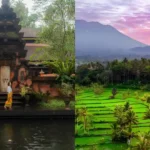
A common starting point for this day is Tegalalang Rice Terrace or a quieter rice terrace area around Ubud. These rice fields are supported by the traditional Subak irrigation system, which is recognized as a cultural heritage practice in Bali. Subak is not only about water distribution, but also about cooperation, balance, and ritual offerings connected to farming cycles.
During your visit, you can:
- Walk along rice field paths while observing farmers at work
- Learn how water temples and irrigation are connected
- Take time to pause rather than rushing through viewpoints
Later in the day, the journey often continues to a waterfall, such as Tibumana Waterfall or Kanto Lampo Waterfall, which are commonly visited by locals for quiet reflection. While these places are popular, visiting earlier in the day or choosing less crowded times allows the experience to remain calm and respectful.

At waterfalls, there is no formal ritual required. However, many locals come to sit quietly, wash their hands or face, and spend time in silence. You can do the same by simply being present and respectful of the surroundings.
Day 4: Balinese Spiritual Culture and Healing Traditions

Day four introduces you more directly to Balinese spiritual practices and local rituals, while maintaining a respectful and grounded approach. The goal is cultural understanding, not belief or spectacle.
One possible experience on this day is visiting a traditional Balinese village, such as Penglipuran Village or a quieter local village near Ubud. In these villages, you can observe how daily offerings, temple maintenance, and community rituals are integrated into everyday routines.
Another important aspect of this day is learning about traditional spiritual guidance, often associated with local priests or healers known within the community. These individuals are respected for their role in conducting blessings, prayers, or consultation rituals based on Balinese traditions.
Typical practices you may encounter include:
- Simple blessing rituals, where holy water and prayers are used for spiritual balance
- Temple visits within the village, often smaller and less crowded than major temples
- Community-based ceremonies, depending on the local calendar
If you are invited to observe or participate in a blessing ritual, it is usually a short and simple process. You are guided on where to sit, when to pray, and how to receive holy water. Participation is always optional, and respectful observation is equally acceptable.
This day is structured carefully to avoid sensationalizing spiritual practices. Instead of focusing on mystery, the experience highlights:
- The social role of spiritual leaders
- The connection between ritual and community life
- The importance of respect and understanding
By the end of day four, you gain a clearer and more practical understanding of how spirituality functions in Bali as part of daily culture, rather than as a tourist attraction.
Day 5: Closing the Journey with Gratitude and Integration

The final day of this spiritual journey is designed to help you close the experience calmly before leaving Bali. This day focuses on reflection, gratitude, and preparing yourself to return to daily life with a clearer perspective.
A suitable way to begin the day is by visiting a quiet temple near Ubud, such as Gunung Kawi Sebatu Temple. This temple is known for its peaceful atmosphere, sacred spring, and connection to water rituals, yet it is generally less crowded than major temples. Walking through the temple grounds allows you to revisit the themes of balance and respect that you experienced throughout the journey.
During your visit, you may:
- Observe morning prayers and offerings
- Spend time near the holy spring without rushing
- Sit quietly and reflect on the past days
After the temple visit, the rest of the day should remain light. A short walk through nearby nature areas or a relaxed lunch in a quiet setting helps you transition out of the journey without overstimulation.
For a broader understanding of Bali’s living traditions and everyday rituals, you may also find our guide on Bali Cultural Experiences Every Visitor Should Try helpful as you plan a more meaningful journey.
Best Time to Do a Spiritual Journey in Bali
Choosing the right time for a spiritual journey in Bali can greatly influence your overall experience. While Bali can be visited year-round, certain seasons and conditions offer a more comfortable and peaceful atmosphere.
The dry season, which generally runs from April to October, is considered ideal for outdoor activities and temple visits. During this period, walking through rice terraces, villages, and temple grounds is more comfortable due to lower rainfall and clearer paths.
The rainy season, usually from November to March, brings fewer visitors and a quieter environment. While occasional rain may affect travel plans, this season offers a more intimate atmosphere, especially for those who prefer less crowded sites and do not mind adjusting schedules.
Other considerations include:
- Visiting temples early in the morning to avoid crowds
- Avoiding major holidays and festival periods if you prefer quieter surroundings
- Being flexible with daily timing to adapt to weather and local ceremonies
By planning your journey with these factors in mind, you can enjoy a more peaceful and meaningful experience throughout your stay.
If this spiritual journey aligns with your travel style, you may also enjoy exploring our other Bali itineraries, each designed to offer a different perspective on the island’s culture, nature, and experiences.
- Best Places to Visit in Bali in 3 Days (A Well Balanced First Time Experience)
- Bali 3 Day Itinerary for First Time Travelers: A Realistic and Meaningful Guide
- Bali Itinerary for First Time Travelers: How to Plan 3, 5, or 7 Meaningful Days
Creating Your Spiritual Journey with Marina Bali Tours
This 5-day spiritual itinerary in Bali is designed to give you a balanced introduction to the island’s spiritual culture, natural landscapes, and traditional practices. While the structure provides guidance, every journey is unique, and personal preferences play an important role in shaping the experience.
At Marina Bali Tours, we understand that spiritual travel requires flexibility and local insight. Whether you prefer a private journey, a slower pace, or specific spiritual sites, this itinerary can be adjusted to match your interests and comfort level.
If you would like to explore this itinerary further or customize it as part of a private experience, you can view our available options through our Bali Tour Packages. With local knowledge and thoughtful planning, we help ensure that your journey through Bali is respectful, comfortable, and meaningful.