
Packing for Bali might seem straightforward at first. Then you start planning your itinerary and realize your trip could include relaxing on white-sand beaches, exploring ancient temples, walking through rice terraces, chasing waterfalls, watching sunsets from dramatic cliffs, hiking mountain viewpoints, hopping over to Nusa Penida, and enjoying evenings at beach clubs, all in a single vacation. Each destination offers a different experience, and each calls for slightly different essentials.
The good news is that you don’t need to pack a huge suitcase to enjoy everything Bali has to offer. The key is bringing versatile items that suit the island’s tropical climate while preparing you for a wide range of activities.
This complete Bali packing list covers everything you actually need, plus a few practical items that many first-time visitors wish they had packed before arriving.
What Should You Pack for Bali?
The best way to pack for Bali is to keep it light, practical, and activity-focused.
Bali has a tropical climate with warm temperatures throughout the year, so you’ll spend most of your time wearing breathable clothing that’s comfortable for sightseeing, outdoor adventures, and beach days. Rather than packing separate outfits for every occasion, choose versatile items that work across different destinations and can easily be mixed and matched.
Instead of asking yourself, “What should I wear each day?”, think about “What activities am I planning?”
For example, your packing list may look slightly different depending on whether you plan to:
- Relax on beaches in Uluwatu, Nusa Dua, or Jimbaran
- Visit temples such as Uluwatu Temple, Tanah Lot, or Tirta Empul
- Explore rice terraces around Ubud and Tegallalang
- Take a snorkeling or diving trip to Nusa Penida or Amed
- Hike to scenic viewpoints or enjoy a Mount Batur sunrise experience
- Spend evenings at rooftop bars, beach clubs, or sunset restaurants
Fortunately, many essentials overlap between these experiences. A comfortable pair of walking shoes, lightweight clothing, quality sun protection, and a small day bag will serve you far better than packing multiple heavy outfits or unnecessary accessories.
Essential Clothing for Bali

Choosing the right clothing is less about packing more and more about packing smarter. Bali’s warm tropical climate means you’ll spend most of your holiday in lightweight outfits, but certain destinations and activities benefit from a few additional layers or accessories.
The items below cover nearly every type of experience you’ll find across the island, from beach days and temple visits to mountain viewpoints and island day trips.
1. Lightweight Clothes
Lightweight, breathable clothing should make up the majority of your suitcase.
Cotton, linen, and moisture-wicking fabrics are ideal for Bali’s tropical weather, helping you stay cool while exploring beaches, markets, rice terraces, and cultural attractions. Pack versatile tops and bottoms that can easily be mixed and matched rather than bringing a different outfit for every day.
2. Swimwear
You’ll likely use swimwear more often than you expect in Bali.
Whether you’re relaxing by your villa pool, visiting beaches, joining a snorkeling trip, or spending the afternoon at a beach club, having at least two sets of swimwear allows one to dry while you use the other. This is especially convenient if your itinerary includes several coastal destinations.
3. Light Jacket
Although Bali is warm year-round, a lightweight jacket is still worth packing.
Early mornings in Kintamani, Munduk, or during a Mount Batur sunrise trek can feel noticeably cooler than the coast. A thin hoodie, sweater, or windbreaker also comes in handy during evening boat rides or air-conditioned transport.
4. Walking Shoes
Comfortable walking shoes are one of the most valuable items you can bring.
Many of Bali’s highlights involve more walking than first-time visitors expect. Exploring places such as Tegallalang Rice Terraces, Campuhan Ridge Walk, waterfalls, temples, and scenic viewpoints is much easier with supportive footwear that provides good grip on uneven paths.
5. Sandals
A pair of comfortable sandals complements your walking shoes perfectly.
They’re ideal for beaches, hotel pools, casual dinners, beach clubs, and short walks around town. Waterproof sandals are particularly useful if your plans include island hopping or water-based activities.
6. Temple Clothing

Bali’s temples are active places of worship, so respectful clothing is important.
If you’re planning to visit temples such as Uluwatu Temple, Tanah Lot, Tirta Empul, or Lempuyang Temple, pack clothing that covers your shoulders when appropriate and wear bottoms that work comfortably with a sarong. Most major temples provide sarongs at the entrance, but bringing a lightweight scarf or cover-up offers extra convenience.
7. Rain Jacket (Seasonal Note)
If you’re visiting during the dry season, especially between April and October, a rain jacket isn’t essential.
However, if your trip falls during Bali’s rainy season between November and March, packing a lightweight waterproof jacket becomes much more useful than carrying a bulky umbrella. A compact rain jacket also works well for waterfall visits where you may encounter mist or light spray.
8. Hat & Sunglasses
Bali’s sunshine is one of its biggest attractions, but it also makes sun protection essential.
A wide-brimmed hat or cap combined with quality sunglasses helps keep you comfortable while sightseeing, enjoying beach days, or spending hours outdoors. These simple accessories can make a noticeable difference during full-day tours, especially in open areas with little shade.
Read more: Bali 2026 Travel Guide: Everything You Need to Know Before You Go
Beach & Outdoor Essentials
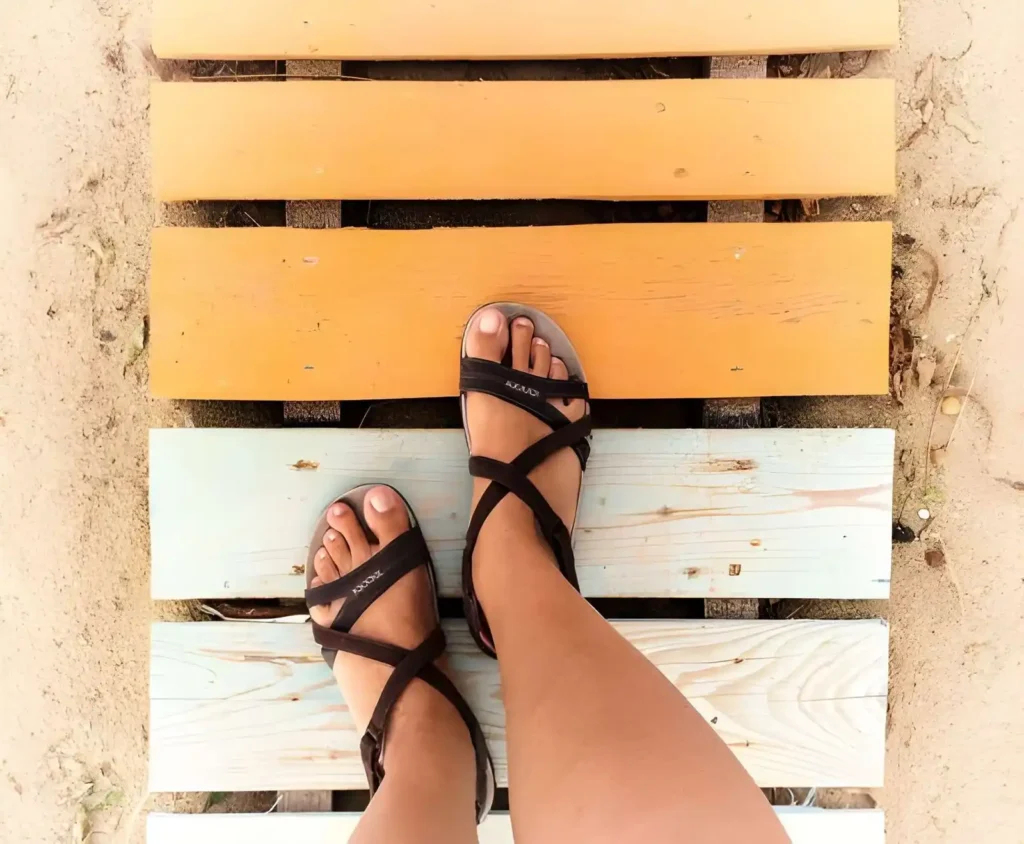
Beyond clothing, a few practical accessories can make your time outdoors significantly more comfortable. Since many of Bali’s best experiences take place at beaches, viewpoints, waterfalls, and nearby islands, packing these essentials helps you spend less time solving small problems and more time enjoying your trip.
1. Reef-safe Sunscreen
Strong tropical sunshine means sunscreen is one of the first items you should pack.
Choose a reef-safe formula whenever possible, particularly if you’re planning to snorkel or swim around coral reefs in destinations such as Nusa Penida, Amed, or Menjangan Island. Reapplying sunscreen throughout the day is especially important during boat trips and beach activities.
2. Reusable Water Bottle
Staying hydrated becomes much easier when you carry a reusable water bottle.
You’ll spend long hours exploring outdoors, and many hotels, cafés, and tour providers now offer refill stations. Bringing your own bottle not only reduces plastic waste but also ensures you always have water within reach during sightseeing.
3. Dry Bag
A lightweight dry bag is surprisingly useful if your itinerary includes beaches or island excursions.
It helps protect valuables such as your phone, wallet, camera, and travel documents from water, sand, and unexpected splashes during boat rides or snorkeling trips. Even on beach days, it’s an easy way to keep your belongings organized.
4. Waterproof Phone Pouch
Your phone will likely become your camera, map, translator, and travel planner all in one.
A waterproof phone pouch provides peace of mind during boat transfers, waterfall visits, kayaking, or snorkeling tours. It also allows you to capture photos near the water without constantly worrying about accidental damage.
5. Beach Bag
A foldable beach bag is a practical addition that doesn’t take up much luggage space.
It’s perfect for carrying towels, sunscreen, water bottles, books, swimwear, and other beach essentials while keeping them separate from the rest of your belongings. A lightweight tote or mesh bag is usually all you need.
6. Quick-dry Towel
Although many hotels and beach clubs provide towels, a compact quick-dry towel is still worth bringing.
It dries much faster than a standard towel, takes up very little space, and comes in handy during waterfall visits, spontaneous swims, island hopping, or situations where towels aren’t provided.
7. Snorkeling Gear (Optional)
If snorkeling is one of the main reasons you’re visiting Bali, you may prefer bringing your own mask and snorkel for comfort and familiarity.
However, for most visitors, this isn’t a necessity. Snorkeling equipment is widely available to rent and is often included in guided tours to destinations such as Nusa Penida, Amed, Blue Lagoon, and Menjangan Island. Unless you already own equipment you enjoy using, renting locally is usually the more convenient option.
Travel Essentials You Shouldn’t Forget
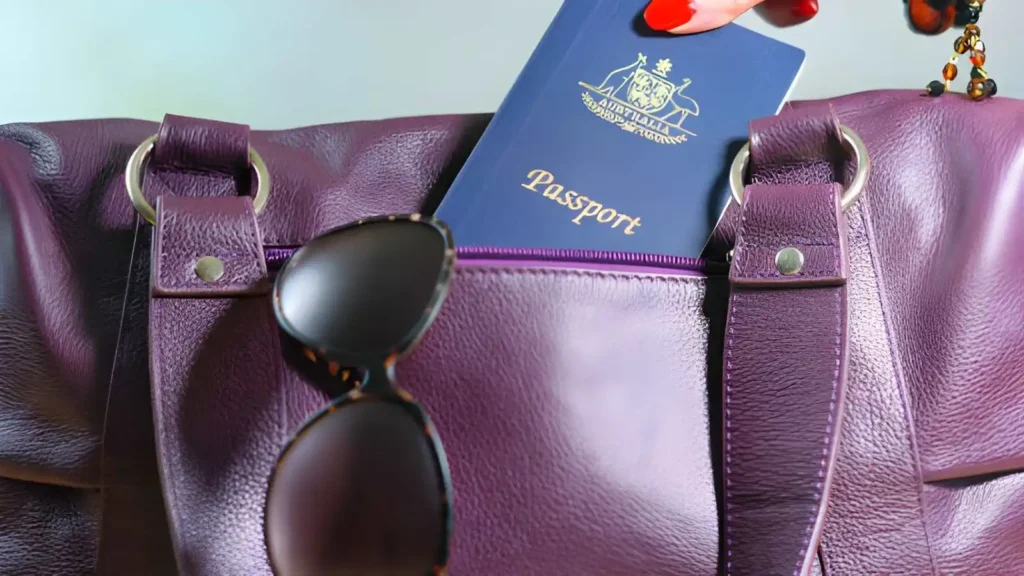
Clothing and beach gear are easy to remember, but it’s often the smaller travel essentials that have the biggest impact on how smoothly your Bali holiday goes. A few minutes spent checking the items below before you leave can save you time, money, and unnecessary stress once you arrive.
1. Passport
Your passport is, of course, the most important item to pack.
Before traveling, make sure it has sufficient validity for entering Indonesia according to the latest immigration requirements. It’s also worth keeping a digital copy stored securely on your phone or in cloud storage in case you ever need quick access to your passport details.
2. Travel Insurance
Travel insurance is one of the most overlooked essentials, but it’s highly recommended for any trip to Bali.
Whether you’re joining snorkeling tours, hiking Mount Batur, riding an ATV, or simply dealing with unexpected flight delays or lost luggage, having comprehensive travel insurance provides valuable peace of mind throughout your vacation.
3. Credit & Debit Cards
Most hotels, restaurants, shopping centers, and larger attractions accept international cards.
However, it’s still a good idea to carry more than one payment card whenever possible. Having a backup card can be extremely helpful if one card is lost, blocked, or declined during your trip.
4. Cash
Although cashless payments have become increasingly common across Bali, cash is still useful in many situations.
Small cafés, local warungs, traditional markets, parking areas, and some entrance fees may only accept cash. Keeping a reasonable amount of Indonesian Rupiah with you makes day-to-day transactions much easier without needing to search for an ATM.
5. International Driving Permit
If you plan to rent a scooter or car, check whether you need an International Driving Permit (IDP) before your trip.
Even if you intend to use private transport for most of your holiday, having the proper driving documents gives you more flexibility should your plans change. Many first-time visitors, however, find that hiring a private driver is a more comfortable option for exploring multiple regions without worrying about unfamiliar roads or parking.
6. Power Bank
Your phone will probably be in constant use throughout your trip—for navigation, photography, ride-hailing apps, translations, and digital tickets.
A fully charged power bank ensures your devices stay powered during long sightseeing days, especially if you’re visiting destinations like Nusa Penida or East Bali where you’ll spend several hours away from your accommodation.
7. Universal Travel Adapter
Indonesia uses Type C and Type F electrical outlets with a standard voltage of 230V.
If your country’s plugs differ, a universal travel adapter is essential for charging your electronics without interruption.
8. Charging Cables
It sounds obvious, but charging cables are among the most commonly forgotten travel items.
Double-check that you’ve packed the correct cables for your phone, smartwatch, camera, wireless earbuds, laptop, and power bank before leaving home.
9. Local SIM Card or eSIM
Reliable internet access makes traveling around Bali much easier.
A local SIM card or eSIM allows you to use Google Maps, book transportation, communicate through messaging apps, check attraction opening hours, and stay connected throughout your trip without relying solely on hotel Wi-Fi.
10. Personal Medication
Bring enough prescription medication for your entire holiday, along with a small supply of basic travel essentials such as pain relievers, motion sickness tablets, allergy medication, digestive medicine, and adhesive bandages.
While pharmacies are widely available across Bali, having familiar medication readily accessible is always more convenient.
11. Digital & Printed Copies of Important Documents
Before your departure, create digital backups of important documents, including:
- Passport
- Travel insurance details
- Flight confirmations
- Hotel reservations
- Tour bookings
- Driver’s license
- Emergency contact information
Keeping these documents accessible on your phone or cloud storage makes them much easier to retrieve if needed during your trip.
You may also want to read this: Things to Know Before Visiting Bali in 2026: A Smart Travel Guide
Packing Tips for Different Bali Activities
One of the biggest advantages of planning your packing around activitiest, not just destinations. Is that you’ll always have exactly what you need without overpacking. Bali offers an incredible variety of experiences, and a few small adjustments to your day bag can make each one more comfortable and enjoyable.
Beach Days
Whether you’re spending the day at Melasti Beach, Jimbaran, Nusa Dua, or Bingin Beach, your beach bag doesn’t need to be overloaded.
The essentials usually include:
- Swimwear
- Reef-safe sunscreen
- Sunglasses
- Hat
- Reusable water bottle
- Flip-flops or sandals
- Waterproof phone pouch
- Quick-dry towel
Packing light makes it much easier to move between cafés, viewpoints, and the shoreline throughout the day.
Temple Visits
Bali’s temples are not only cultural landmarks but also active places of worship, so dressing respectfully is important.
For temple visits, consider bringing:
- Comfortable walking shoes or sandals
- Clothing suitable for wearing with a sarong
- Light scarf or cover-up
- Reusable water bottle
- Small day bag for personal belongings
Since you’ll often spend time outdoors, sun protection remains useful even during shorter visits.
Waterfall Adventures
Waterfalls often involve uneven trails, steps, and occasionally slippery rocks.
For these excursions, it’s worth packing:
- Shoes with good grip
- Quick-dry clothing
- Waterproof phone pouch
- Small towel
- Dry bag
- Change of clothes if you plan to swim
Keeping electronics protected becomes especially important around mist and flowing water.
Rice Terrace Walks
Places such as Tegallalang, Jatiluwih, and the Sari Organik Walk are best explored at a relaxed pace.
A comfortable outfit usually includes:
- Breathable clothing
- Comfortable walking shoes
- Hat
- Sunglasses
- Sunscreen
- Water bottle
Early morning and late afternoon are generally the most comfortable times to explore these open landscapes.
Nusa Penida Day Trip
A full-day trip to Nusa Penida often combines scenic viewpoints, beaches, boat transfers, and plenty of walking.
You’ll be glad you packed:
- Comfortable footwear
- Swimwear
- Sunscreen
- Dry bag
- Waterproof phone pouch
- Motion sickness medication if you’re sensitive to boat rides
- Portable charger
- Extra drinking water
Since you’ll spend much of the day outdoors, packing efficiently helps you stay comfortable from the first ferry to the return journey.
Mount Batur Sunrise Trek
If hiking Mount Batur is on your itinerary, you’ll need a few extra layers compared to the rest of your Bali holiday.
Bring:
- Lightweight jacket
- Comfortable hiking or trail shoes
- Flashlight or headlamp if not provided
- Water bottle
- Small backpack
- Camera or fully charged phone
Temperatures before sunrise are noticeably cooler than at sea level, but they’ll warm up quickly after daylight.
Beach Clubs
Bali’s beach clubs are known for their relaxed atmosphere, so there’s no need to overpack formal clothing.
A simple combination of resort wear, sandals, sunglasses, swimwear, and a light cover-up is usually perfect. If you’re staying until sunset, a casual change of clothes can help you transition comfortably from the pool to dinner.
ATV & Outdoor Adventures
Activities such as ATV rides, rafting, and off-road tours are a little messier—but that’s part of the fun.
Pack clothing you don’t mind getting dirty, along with:
- Closed-toe shoes
- Change of clothes
- Waterproof bag for valuables
- Small towel
- Sunscreen
- Water bottle
These experiences often involve mud, water, or dust, so leaving delicate clothing and expensive accessories back at your accommodation is usually the smarter choice.
You may also want to read this: How to Plan a Bali Trip for First-Time Visitors: A Practical Step-by-Step Guide
Seasonal Packing Tips
While the essentials we’ve covered above will work for most trips to Bali, making a few adjustments based on the season can make your holiday even more comfortable. Bali’s tropical climate stays warm throughout the year, but rainfall, humidity, and travel conditions change enough that it’s worth packing with the season in mind.
Rather than creating an entirely different packing list, think of these as small seasonal additions to your suitcase that help you stay prepared for the activities and weather you’re most likely to experience.
Dry Season (April–October)
The dry season is widely considered the best time to visit Bali thanks to its sunny weather, lower humidity, and excellent conditions for beaches, sightseeing, island trips, and outdoor adventures.
During these months, your packing list can stay relatively simple. Lightweight clothing, comfortable walking shoes, swimwear, sunglasses, and reef-safe sunscreen will cover most activities across destinations such as Ubud, Uluwatu, Nusa Penida, East Bali, and the surrounding islands.
If you’re traveling during July or August, it’s also worth remembering that this is Bali’s busiest tourism period. Attractions are more popular, accommodations fill quickly, and you’ll likely spend longer days exploring outdoors. Packing a reusable water bottle, portable charger, and comfortable day bag becomes even more valuable during these peak travel months.
For a more detailed checklist specifically designed for Bali’s busiest dry-season month, be sure to read our guide to What to Pack in Bali in August, where we cover clothing recommendations, practical accessories, and activity-specific essentials in greater detail.
Peak Season Travel
Peak season doesn’t necessarily require more luggage, it simply rewards smarter packing.
Because you’ll often spend full days sightseeing, moving between destinations, or joining day tours, prioritize versatile clothing that can transition easily from beaches and temples to restaurants and evening activities. Comfortable footwear, lightweight layers, and reliable sun protection become far more useful than packing multiple bulky outfits.
It’s also a good idea to keep your day bag organized with essentials such as drinking water, sunscreen, a portable charger, and any travel documents you may need throughout the day. When attractions are busier, having everything within easy reach makes sightseeing much more convenient.
You may also want to read this: Tips for Traveling During Peak Season in Bali
Rainy Season (November–March)
Bali remains a wonderful destination during the rainy season, but a few extra items can help you stay comfortable when tropical showers appear.
Consider adding:
- A lightweight waterproof rain jacket
- Waterproof or quick-drying footwear
- A compact travel umbrella
- Extra quick-dry clothing
- Waterproof bags or pouches for electronics
Rainfall often comes in short bursts rather than lasting all day, so there’s rarely a need for heavy outdoor gear. Most travelers find that lightweight waterproof items are more practical than packing bulky rain equipment.
With just a few seasonal adjustments, you’ll be prepared to enjoy Bali comfortably no matter when you decide to visit.
Explore Bali Comfortably With Marina Bali Tours
Once you’ve finished packing, the next step is making sure your itinerary is just as well prepared.
Bali offers an incredible variety of experiences, from cliffside sunsets and white-sand beaches to cultural landmarks, rice terraces, waterfalls, and nearby islands. Planning how these destinations fit together often has a bigger impact on your trip than simply deciding what to pack.
That’s where local knowledge becomes valuable.
Marina Bali Tours helps you explore the island more comfortably with:
- Bali Tours Packages tailored to different travel styles and trip lengths
- Private drivers for flexible and stress-free sightseeing
- Local recommendations based on your interests, travel season, and preferred pace
- Custom itineraries designed to minimize travel time while helping you experience more of Bali
Whether you’re planning a relaxing beach holiday, a honeymoon, a family vacation, or your very first visit to Bali, having a well-organized itinerary allows you to spend less time worrying about logistics and more time enjoying everything the island has to offer.
For more Bali travel tips, seasonal guides, destination advice, and itinerary planning resources, continue exploring our related Bali travel articles below.
FAQs About Bali Packing List
What should I pack for Bali?
Pack lightweight clothing, comfortable walking shoes, swimwear, sunscreen, a reusable water bottle, a universal travel adapter, travel documents, and any essentials based on the activities you plan to do, such as snorkeling, hiking, or visiting temples.
Do I need warm clothes in Bali?
Most of Bali stays warm throughout the year, so heavy clothing isn’t necessary. However, bringing a light jacket or sweater is recommended for cooler mornings in destinations such as Kintamani, Munduk, or during a Mount Batur sunrise trek.
Can I wear shorts in temples?
You can wear shorts to many temple entrances, but you’ll typically be required to wear a sarong before entering the temple grounds. Many of Bali’s popular temples provide sarongs for visitors.
What shoes should I bring to Bali?
A comfortable pair of walking shoes is ideal for sightseeing, while sandals are perfect for beaches, beach clubs, and casual outings. If you plan to visit waterfalls or hike Mount Batur, shoes with good grip are highly recommended.
Do I need cash in Bali?
Yes. Although cards are widely accepted in hotels, restaurants, and larger businesses, carrying some Indonesian Rupiah is useful for small cafés, traditional markets, parking fees, local shops, and smaller attractions.
Should I bring mosquito repellent?
Yes. Mosquito repellent is useful throughout the year, particularly if you’ll be spending time outdoors during sunrise, sunset, or in areas surrounded by rice fields, forests, or gardens.
Is sunscreen expensive in Bali?
International sunscreen brands can cost more than they do in many other countries, especially in tourist areas. If you already have a preferred reef-safe sunscreen, bringing it from home is often the more economical option.
Do I need a travel adapter for Bali?
If your country’s plugs differ from Indonesia’s Type C and Type F outlets, you’ll need a universal travel adapter. Bringing one ensures you can easily charge your devices throughout your trip.






[…] Bali Packing List (2026): Don’t Forget These 35+ Travel Essentials […]