August is one of the best times to visit Bali. The island enjoys its dry season, bringing sunny days, lower humidity, and comfortable evenings that are perfect for everything from relaxing on the beach to exploring temples, rice terraces, and nearby islands. It’s also one of Bali’s busiest travel months, which means you’ll likely spend long days outdoors making the most of your itinerary.
Although August offers consistently pleasant weather, Bali is still a tropical destination where conditions can vary depending on where you go. A beach day in Uluwatu calls for different clothing than an early morning trip to Kintamani or a sunrise boat ride to Nusa Penida.
Packing the right essentials helps you stay comfortable throughout your trip without bringing more than you actually need. Here’s exactly what to pack for Bali in August, from clothing and beach essentials to practical items many first-time visitors often overlook.
Do You Need Different Clothes for Bali in August?
Yes, but only slightly. August is part of Bali’s dry season, so lightweight, breathable clothing will be comfortable for most of your trip. Daytime temperatures typically range between 27–30°C (81–86°F), making T-shirts, shorts, sundresses, and other light fabrics ideal for sightseeing, beach days, and outdoor activities.
That said, it’s worth packing one or two extra layers. Early mornings and evenings can feel noticeably cooler in higher-altitude destinations such as Ubud, Kintamani, and Munduk, especially if you’re heading out for a sunrise tour or spending time outdoors after sunset. A light jacket or sweater is usually all you need to stay comfortable without adding unnecessary bulk to your luggage.
What to Pack for Bali in August
Packing for Bali in August is fairly straightforward thanks to the island’s dry-season weather. Most days are warm, sunny, and ideal for spending time outdoors, whether you’re exploring beaches, temples, rice terraces, or nearby islands.
Instead of overpacking, focus on versatile essentials that will keep you comfortable throughout long sightseeing days while preparing you for a few cooler mornings and different types of activities. Here’s what should be at the top of your packing list.
1. Lightweight Clothing

Lightweight, breathable clothing will likely make up most of what you wear during your trip. Bali’s August weather is warm with relatively low humidity, making fabrics such as cotton, linen, and moisture-wicking materials the most comfortable choices.
Pack a mix of T-shirts, tank tops, shorts, skirts, summer dresses, and lightweight trousers that are easy to wear throughout the day. Choosing neutral colors and versatile pieces also makes it easier to mix and match outfits without bringing an oversized suitcase.
2. Swimwear
If your itinerary includes Bali’s beaches, beach clubs, hotel pools, waterfalls, or a day trip to Nusa Penida, you’ll probably wear swimwear more often than expected.
Bringing at least two sets is a smart idea, especially if you’re swimming on consecutive days or taking full-day tours where your first swimsuit may not have enough time to dry before your next activity.
3. Light Jacket or Sweater
Although August is one of Bali’s warmest and driest months, a light jacket or sweater is still worth packing.
You may appreciate the extra layer during early morning departures for sunrise tours, boat rides to Nusa Penida, or evenings spent in higher-altitude destinations such as Ubud, Kintamani, and Munduk. Air-conditioned restaurants, shopping centers, and airport terminals can also feel surprisingly cool after spending hours in the tropical sun.
A lightweight hoodie, cardigan, or thin windbreaker is usually more than enough without taking up much luggage space.
4. Comfortable Walking Shoes
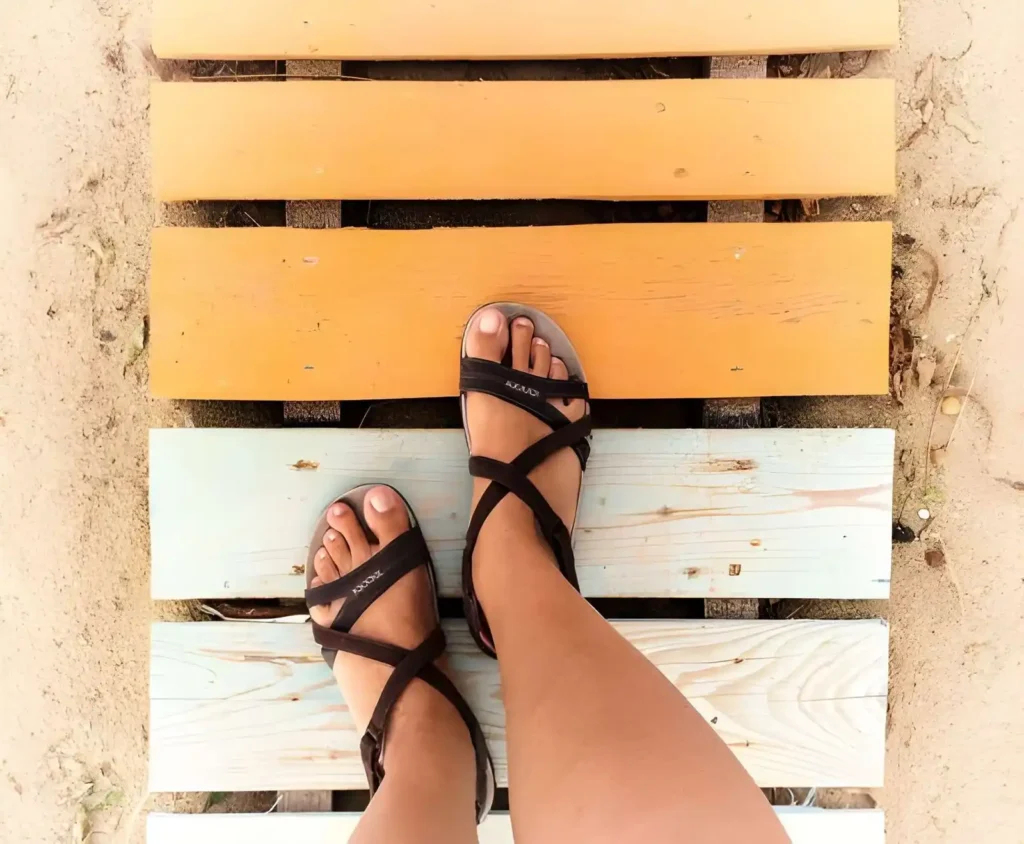
Many of Bali’s most rewarding experiences involve more walking than first-time visitors expect.
You’ll likely spend hours exploring places such as Tegallalang Rice Terrace, Campuhan Ridge Walk, temple complexes, traditional markets, and scenic viewpoints. Comfortable walking shoes with good support will make these days far more enjoyable than flat sandals or fashion sneakers designed only for short distances.
If you plan to visit waterfalls or uneven trails, shoes with decent grip are an added advantage.
5. Sandals or Flip-Flops
While walking shoes are ideal for sightseeing, sandals or flip-flops are just as useful for everyday convenience.
They’re perfect for beach visits, relaxing around your hotel or villa, pool days, casual dinners by the coast, and short walks through beach towns. Because you’ll often be taking shoes on and off at accommodations and some attractions, easy-to-wear footwear quickly becomes one of the most practical items in your luggage.
6. Sun Protection
August’s clear skies mean stronger sunshine for much of the day, especially along Bali’s southern coastline.
A reef-safe sunscreen with a high SPF, a good pair of sunglasses, and a wide-brimmed hat or cap can make a noticeable difference during long hours outdoors. Whether you’re watching the sunset in Uluwatu, relaxing on Melasti Beach, or exploring rice terraces around Ubud, protecting yourself from the tropical sun will help you stay comfortable throughout your trip.
7. Reusable Water Bottle
Staying hydrated is especially important during Bali’s dry season, as you’ll likely spend long hours outdoors moving between beaches, temples, scenic viewpoints, and cultural attractions.
A reusable water bottle is one of the simplest items you can pack. Many hotels, villas, cafés, and tour operators provide refill stations, making it easy to top up throughout the day while reducing single-use plastic waste. It’s a small addition to your luggage that can make sightseeing much more comfortable.
8. Small Day Backpack

Rather than carrying everything in a large suitcase or shoulder bag, bring a compact day backpack for your daily adventures.
It’s ideal for carrying water, sunscreen, a light jacket, snacks, a camera, and other essentials while exploring destinations such as Ubud, Nusa Penida, East Bali, or Uluwatu. A lightweight backpack also leaves your hands free, which is particularly useful when walking through rice terraces, climbing viewpoints, or boarding boats.
9. Waterproof Phone Pouch
Even if you don’t plan to snorkel or swim every day, a waterproof phone pouch can be surprisingly useful throughout your trip.
It protects your phone from splashes during boat transfers to Nusa Penida, keeps sand away during beach visits, and allows you to take photos at waterfalls or while enjoying water activities without worrying about accidental damage. Since it takes up very little space, it’s one of those items you’ll likely be glad you packed.
10. Power Bank
Your phone will probably be one of your most-used travel essentials in Bali.
Between using Google Maps, checking restaurant recommendations, booking ride services, taking photos, and recording videos, battery life can disappear quickly during a full day of sightseeing. A reliable power bank ensures your devices stay charged from morning until evening, especially on longer tours where charging opportunities may be limited.
11. Basic Medication
Packing a small travel medicine kit can save you time if minor issues come up during your holiday.
Include essentials such as headache relief, motion sickness tablets for boat trips, medication for an upset stomach, adhesive bandages, and any personal prescriptions you regularly use. While pharmacies are easy to find in Bali’s main tourist areas, having these basics with you is often more convenient, particularly during day trips.
12. Temple Clothing

Many of Bali’s temples require visitors to dress respectfully before entering.
If you’re planning to visit places such as Uluwatu Temple, Tirta Empul, or Lempuyang Temple, pack clothing that covers your shoulders when needed and consider bringing a lightweight scarf or shawl. Most major temples also provide or rent sarongs at the entrance, but carrying your own lightweight cover-up can make your visits quicker and more comfortable.
13. Insect Repellent
Although mosquito activity is generally lower during the dry season than during the rainy months, insect repellent is still worth bringing.
It’s particularly useful if you’re spending time around rice fields, tropical gardens, waterfalls, or countryside destinations such as Ubud, Sidemen, and Munduk. Applying repellent before sunset or during evening outdoor dinners can help you stay comfortable without interrupting your plans.
14. Travel Documents and Digital Copies
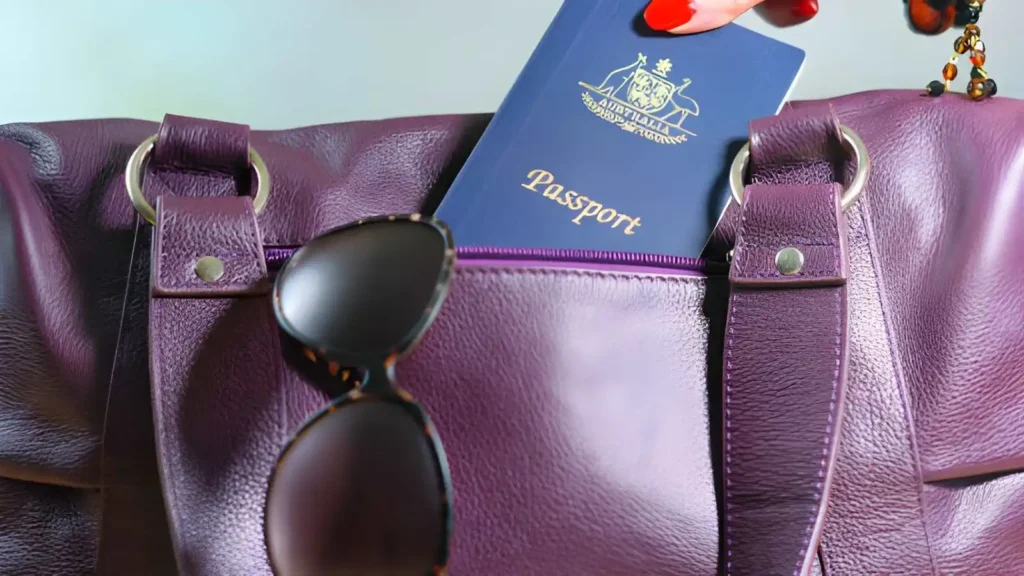
Before leaving for Bali, make sure all of your essential travel documents are organized and easy to access.
Carry your passport, travel insurance information, flight confirmations, accommodation details, and any required driver’s license if you plan to rent a vehicle. It’s also a good idea to save digital copies on your phone or cloud storage so you have a backup if anything is misplaced during your trip.
You may also want to read this: Tips for Traveling During Peak Season in Bali
Things You Probably Don’t Need to Pack
It’s easy to overpack for Bali, especially if it’s your first visit. While bringing the right essentials can make your trip more comfortable, filling your suitcase with items you rarely use only adds unnecessary weight. In August, Bali’s dry-season weather means you can travel much lighter than many people expect.
1. Heavy Jackets
A thick winter jacket isn’t necessary for Bali in August. Even in cooler areas such as Kintamani or Munduk, temperatures remain mild compared to most temperate destinations.
A lightweight sweater, hoodie, or thin windbreaker is usually more than enough for early mornings, mountain viewpoints, or evening outings.
2. Rain Boots
August falls in Bali’s dry season, so prolonged rain is uncommon. While you might experience an occasional brief shower, standard walking shoes or sandals are more practical for almost every activity on the island.
3. Large Umbrellas
Bulky umbrellas take up valuable luggage space and are rarely needed during August. If you prefer extra sun protection, a compact travel umbrella is sufficient, though many people find a hat and sunglasses more useful throughout the day.
4. Too Many Formal Clothes
Bali’s atmosphere is generally relaxed, even at upscale restaurants and beach clubs. Smart casual clothing is appropriate for most occasions, so there’s little reason to pack multiple formal outfits unless you’re attending a wedding or a special event.
5. Hair Dryer
Most hotels, resorts, private villas, and many guesthouses provide hair dryers as part of their standard room amenities. If you’re staying in multiple accommodations, it’s worth checking before you travel, but in most cases this is one less item to fit into your suitcase.
6. Beach Towels
If you’re staying at a hotel, resort, or beach club, towels are usually provided. Tour operators for snorkeling trips and many day tours also include towels or recommend bringing only a compact quick-dry towel if needed. Unless you have a specific preference, packing a large beach towel is often unnecessary.
Packing Tips for Different Bali Activities
Not every day in Bali looks the same. A morning exploring rice terraces requires different essentials than a beach day or a boat trip to Nusa Penida. Thinking about your itinerary as discussed earlier, can help you pack more efficiently while avoiding items you’ll never use.
Beach Days
For beach visits, pack swimwear, sunscreen, sunglasses, sandals, a reusable water bottle, and a waterproof phone pouch. If you’re planning to spend the afternoon relaxing at places like Melasti Beach, Jimbaran, or Nusa Dua, a light cover-up is also useful when moving between the beach and nearby cafés or restaurants.
Temple Visits
Bali’s temples are active places of worship, so dressing respectfully is important. Wear clothing that covers your shoulders when appropriate and choose shorts or skirts that can easily be paired with a sarong. Comfortable walking shoes or sandals are also recommended, as many temple complexes involve a fair amount of walking.
Nusa Penida Day Trip
A full-day trip to Nusa Penida usually starts early and combines sightseeing, walking, and sometimes snorkeling. Pack light, but bring essentials such as sunscreen, a hat, a reusable water bottle, a power bank, comfortable shoes, and a waterproof phone pouch for boat transfers or water activities.
If snorkeling is part of your itinerary, having a second set of swimwear or dry clothes can also make the journey back more comfortable.
Waterfall Adventures
Waterfall visits often involve stairs, forest paths, or occasionally slippery terrain. Lightweight clothing that dries quickly, shoes with good grip, insect repellent, and a waterproof pouch for your phone are some of the most practical items to bring. A small backpack makes it easier to carry everything while keeping your hands free on the trail.
Mountain Sunrise Tours
If you’re heading to destinations such as Kintamani for sunrise or joining an early morning Mount Batur experience, bring the light jacket or sweater mentioned earlier in this guide.
Temperatures before sunrise are noticeably cooler than at sea level, and having an extra layer will make the experience much more enjoyable. Once the sun is up, you can easily pack it away and continue the rest of your day in lightweight clothing.
You may also want to read this: Best Bali Itinerary for Peak Season: 5, 7 & 10-Day Travel Plans
Explore Bali More Comfortably With Marina Bali Tours
Now that you know what to pack for Bali in August, the next step is making the most of your time on the island. A well-planned itinerary allows you to enjoy Bali’s dry-season weather without worrying about long travel times, unnecessary detours, or missing the experiences that matter most to you.
Whether you’re planning to relax on Bali’s beaches, visit iconic temples, explore rice terraces around Ubud, or take a day trip to Nusa Penida, Marina Bali Tours helps you travel more comfortably with thoughtfully designed Bali Tour Packages, reliable private transport, personalized local recommendations, and customizable itineraries tailored to your interests and schedule.
With the right planning in place, you can spend less time organizing logistics and more time enjoying everything Bali has to offer during one of the island’s best travel seasons.
For more Bali travel tips, seasonal travel guides, and vacation planning advice, continue exploring our related Bali travel articles below.
FAQs About What to Pack in Bali in August
What clothes should I wear in Bali in August?
Lightweight, breathable clothing such as cotton T-shirts, shorts, summer dresses, and linen shirts are ideal for Bali’s warm, dry-season weather. It’s also worth bringing a light jacket for cooler mornings in places like Ubud or Kintamani.
Do I need a jacket in Bali?
Yes, but only a light one. While coastal areas stay warm throughout the day, early mornings, mountain regions, and evening boat trips can feel noticeably cooler.
Is August hot in Bali?
Yes. August typically brings warm temperatures of around 27–30°C (81–86°F) during the day with lower humidity than the rainy season, making it one of the most comfortable months to explore the island.
Should I bring mosquito repellent?
Yes. Although mosquitoes are generally less active during the dry season, insect repellent is still recommended, especially if you’re visiting rice fields, waterfalls, jungle areas, or spending evenings outdoors.
Can I wear shorts in temples?
You can wear shorts in many temple areas, but you’ll usually need to wear a sarong and follow the temple’s dress guidelines before entering the main sacred areas. Many popular temples provide sarongs at the entrance.
What shoes are best for Bali?
Comfortable walking shoes are the best choice for sightseeing, temples, rice terraces, and viewpoints. Bringing sandals or flip-flops is also useful for beaches, pools, and casual outings.