Having one week in Bali sounds perfect, until you start planning it. Suddenly, everything feels overwhelming. Ubud, Canggu, Uluwatu, waterfalls, temples, beaches, islands. You only have seven days, but Bali feels endless. The real fear is not missing a place. It is wasting your time on the wrong flow.
You do not want a trip that feels like a race. You want each day to make sense. You want to feel relaxed, not exhausted. You want to explore Bali, but also enjoy being in it.
This guide shows you how to spend one week in Bali in a way that feels natural, balanced, and truly rewarding.
What to Do in Bali for a Week: Day by Day Flow
A meaningful week in Bali is about letting each day unfold in a way that feels natural. You arrive, you adapt, you explore, you slow down, and by the end, you do not feel like a tourist anymore. You feel like someone who truly lived inside the island, even if only for seven days.
This flow is designed to help you experience Bali as a journey. Each day has a role. Each transition makes sense. And every moment leaves space for you to actually feel the island.
Day 1: Arrival and Getting Comfortable in Bali
Best areas to stay: Sanur, Seminyak, or a quieter part of Canggu
Main focus: Recovery, orientation, and adjusting to Bali’s pace
The first day in Bali should be treated as an adjustment day. After a long flight, the body is usually dealing with jet lag, dehydration, and the sudden change in temperature and humidity. Trying to fit in sightseeing often leads to unnecessary fatigue that affects the following days.
Staying close to the airport on the first night is a practical choice. Sanur is known for its calm beachfront, flat walking paths, and relaxed dining options. Seminyak offers more restaurants and shops within walking distance. If choosing Canggu, it is better to stay in quieter areas away from the main traffic routes.
What to do on Day 1:
- Check in and rest for a few hours
- Take a short walk to understand your surroundings
- Have an early, simple dinner
- Prepare for an early night if possible
Day 2: Exploring Ubud and Central Bali in Depth

Ubud is where many people begin to understand Bali in a deeper and more practical way. Not through landmarks alone, but by seeing how temples, rice fields, art, and daily routines exist side by side. This is where the island starts to make sense beyond beaches and cafés.
Spending a full day in Ubud early in your trip helps you recognize patterns you will notice again later, from village layouts and temple ceremonies to the pace of local life. It also helps you decide what feels worth your time, and what does not.
1. Ubud Palace (Puri Saren Agung)
Located in the heart of Ubud, the palace is a good starting point for the day. It introduces traditional Balinese architecture and gives insight into Ubud’s royal history. The palace is still used for ceremonies, which helps it feel like a living cultural site rather than a static attraction.
Because of its central location, it also works well as a reference point before exploring nearby areas.
2. Saraswati Temple (Pura Taman Saraswati)
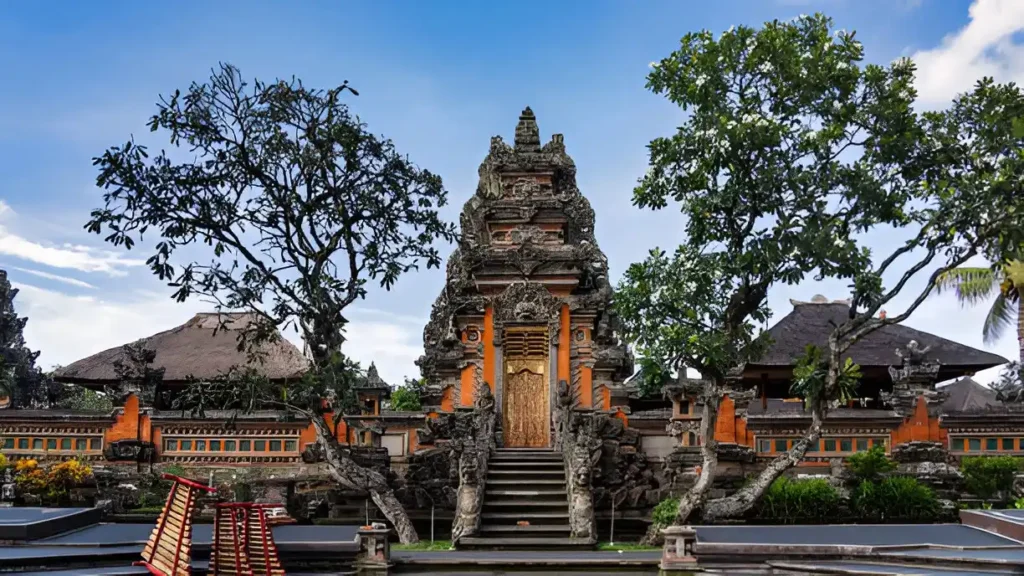
Just a short walk from the palace, Saraswati Temple is known for its lotus pond and detailed stone carvings. The visit does not take long, but it offers a clear example of temple design and religious symbolism in Bali.
This temple works well as a brief stop, especially in the morning when it is quieter and less crowded.
3. Ubud Traditional Art Market

Opposite the palace, the traditional market reflects Ubud’s long connection with art and craftsmanship. Stalls sell handmade goods such as textiles, wood carvings, woven bags, and paintings.
Visiting earlier in the day is recommended, as it is less crowded and vendors are more open to conversation. Even if you are not shopping, the market helps you understand the role of art in daily Balinese life.
4. Pura Dalem Ubud
Pura Dalem is an important village temple associated with life cycles and community ceremonies. Compared to more famous temples, it is usually calmer and offers a quieter atmosphere for observation.
This stop helps explain how religion is integrated into everyday life rather than separated from it.
5. Goa Gajah (Elephant Cave)
Located a short drive from central Ubud, Goa Gajah combines archaeology, spirituality, and nature. The cave entrance, bathing pools, and surrounding greenery make it one of the more complete historical sites near Ubud.
It provides context about Bali’s ancient past and is often included as part of a cultural exploration day.
6. Campuhan Ridge Walk

The Campuhan Ridge Walk offers an easy and accessible way to experience Ubud’s natural surroundings without leaving the area entirely. The open views and fresh air provide a break from traffic and crowds.
This walk works well before or after lunch, depending on weather and energy levels.
7. Rice Fields Around Ubud

Rice fields around Ubud are not just scenery; they are part of a working agricultural system. Short walks through nearby fields help explain why villages and temples are positioned where they are.
For those willing to travel slightly further, Tegallalang rice terraces offer a more structured landscape, though they tend to be busier.
8. Art Museums
If time and interest allow, Ubud’s art museums offer deeper insight into Balinese creativity.
- Neka Art Museum focuses on traditional and modern Balinese paintings.
- Agung Rai Museum of Art (ARMA) combines galleries with cultural programs and performances.
These museums work well in the afternoon when temperatures rise and traffic increases
If you want to explore this area in more detail, this guide on what to do in Ubud for a day breaks it down step by step.
Day 3: Nature, Waterfalls, and the Mountain Landscapes of Bali
After a full day in Ubud, Day 3 shifts your focus away from towns and cultural centers toward Bali’s natural landscapes.
This is the day when the island feels wider, quieter, and more varied. The drive itself becomes part of the experience, moving through hills, forests, lakes, and small villages.
1. Scenic Drive Through Central Bali Villages

The day usually begins with a drive through rural areas north of Ubud. Along the way, you pass traditional villages, small temples, and farmland where daily life continues at a steady pace.
This part of the journey helps put Bali’s geography into perspective. You see how villages are connected, how agriculture shapes the landscape, and why certain regions feel very different from the coast.
2. Tegenungan Waterfall or Alternative Waterfalls

For those wanting an easier stop closer to Ubud, Tegenungan Waterfall offers a short walk and a powerful cascade surrounded by greenery. It is accessible and popular, especially later in the day.
If you prefer a quieter experience, waterfalls further north such as Gitgit or Sekumpul offer a more natural setting, though they require more walking and travel time. These waterfalls highlight Bali’s tropical environment and provide a refreshing break during the drive.
3. Ulun Danu Beratan Temple and Lake Beratan

Ulun Danu Beratan Temple is one of Bali’s most recognizable landmarks, set beside Lake Beratan in the cooler mountain region of Bedugul. The temple appears to float on the water during high lake levels, creating a distinctive and peaceful atmosphere.
Beyond its appearance, this temple plays an important role in Bali’s water management system and agricultural traditions. Visiting here adds context to the rice fields and irrigation systems seen throughout the island.
5. Lunch with Mountain or Lake Views
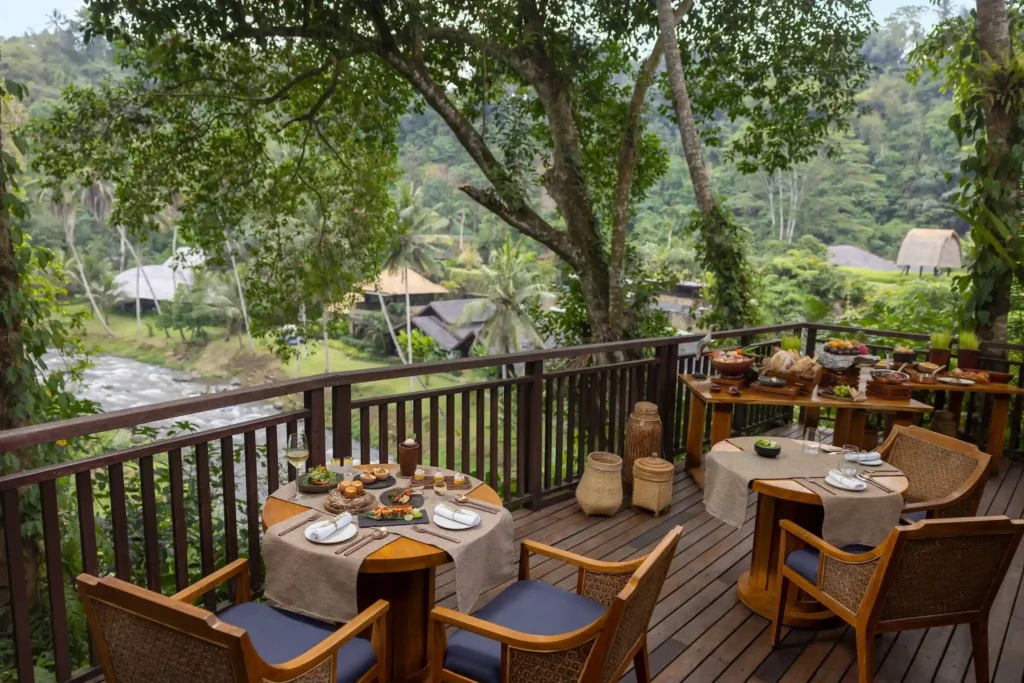
Day 3 is a good opportunity to enjoy lunch in a quieter setting. Restaurants around Bedugul and central Bali often offer views of lakes, forests, or farmland.
This break helps reset energy levels before the return journey and provides a contrast to busier dining areas in Ubud or the south.
6. Jatiluwih Rice Terraces
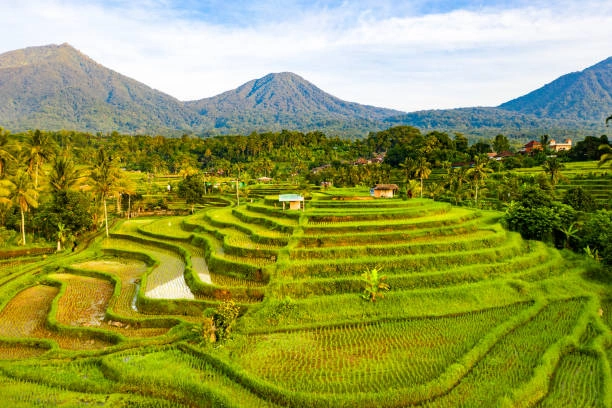
For those willing to extend the day slightly, Jatiluwih Rice Terraces offer expansive views of one of Bali’s most important agricultural areas.
Recognized for its traditional irrigation system, this area shows rice farming on a larger scale than what is seen around Ubud.
Walking paths allow you to explore the terraces at your own pace, though the visit does require additional travel time.
If you have less time, this Bali 3-day itinerary is a good starting point before planning a longer stay.
Day 4: Transition from Central Bali to the Southern Coast
Day 4 connects the cultural heart of Bali with its coastal side. After spending time in Ubud and the mountain regions, this day works best as a gentle transition rather than a packed sightseeing schedule.
The goal is to reduce travel fatigue, enjoy a few meaningful stops along the way, and arrive in South Bali with enough time and energy to settle in and enjoy the ocean atmosphere.
1. Taman Ayun Temple
Taman Ayun Temple is a well-preserved example of classic Balinese temple architecture. Surrounded by water features and gardens, it offers insight into how temples functioned as both religious and community centers.
The visit is straightforward and does not require much time, making it a good cultural stop without adding stress to the schedule.
2. Tanah Lot Temple

Tanah Lot is one of Bali’s most famous sea temples, set on a rock formation just offshore. While it is a popular location, its coastal setting and ocean views make it a natural stop when moving south.
Arriving earlier in the afternoon allows you to explore the area calmly before crowds increase closer to sunset.
3. Arrival in South Bali
By mid to late afternoon, arriving at your accommodation in South Bali allows time to rest, unpack, and adjust to the coastal environment. A short walk along the beach or nearby streets helps you get familiar with the area without committing to plans.
This downtime is important before entering the more active southern part of the trip.
4. Evening by the Coast

The day ends best with a simple evening near the ocean. A relaxed dinner, a beach walk, or watching the sunset helps mark the transition from inland Bali to coastal life.
There is no need for late nights or heavy schedules. Letting the day close calmly prepares you for the days ahead.
Day 5: Beaches, Leisure, and Slow Coastal Time
After several days of moving between towns, temples, and long drives, Day 5 is intentionally slower. This is the point in the trip where you stop trying to understand Bali and simply start enjoying being here.
South Bali’s beaches, cafés, and easy activities make it possible to relax without feeling like you are missing out.
1. Morning by the Beach

Starting the day near the ocean sets a calm pace. Many beaches in South Bali are best enjoyed early in the morning, when the air is cooler and the atmosphere is quieter.
A simple routine works well:
- Short beach walk
- Light swim where conditions allow
- Breakfast near the shoreline
2. Choosing the Right Beach Area

South Bali offers different beach experiences depending on the area:
- Seminyak: Wide beaches, easy access, and plenty of dining options
- Canggu: Casual atmosphere with cafés, beach clubs, and surf-friendly waves
- Jimbaran: Calmer waters and a quieter setting, especially during the day
Choosing one main area and staying nearby avoids unnecessary driving and keeps the day relaxed.
3. Casual Dining and Café Time

Day 5 is ideal for enjoying Bali’s food scene without rushing between locations. Coastal areas offer a mix of international and local cuisine, often in open-air settings.
Rather than planning specific restaurants, it works better to:
- Eat when you feel hungry
- Choose places within walking distance
- Sit longer and enjoy the surroundings
This flexibility helps the day feel unstructured in a good way.
4. Optional Light Activities

For those who want to add something gentle to the day, South Bali offers easy options that do not require full commitment.
Popular choices include:
- Beginner surf lessons
- Short spa or massage sessions
- Browsing small shops or local boutiques
These activities fit naturally into the day and can be skipped without feeling like something is missing.
5. Sunset Near the Coast

Sunset is the natural highlight of a beach day in Bali. Watching the sky change colors over the ocean is simple but memorable, especially when you are not rushing to another destination afterward.
Whether it is from the beach, a café, or a quiet spot nearby, this moment often becomes one of the most relaxing parts of the trip.
Day 6: Uluwatu, Cliffs, and Bali’s Iconic Coastal Views
By Day 6, moving around Bali feels easier and more familiar. This is the right moment to visit Uluwatu, where the island’s coastline becomes more dramatic and open.
High limestone cliffs, strong ocean waves, and sea temples define this area, offering a very different atmosphere from the beaches and towns visited earlier in the week.
1. Exploring Uluwatu’s Coastal Roads and Viewpoints
The drive through Uluwatu is part of the experience. Coastal roads pass through dry landscapes, small villages, and open cliff edges with wide ocean views.
Stopping at viewpoints along the way allows you to enjoy the scenery without committing to long walks. These stops help explain why this area feels so different from central and northern Bali.
2. Uluwatu Temple (Pura Luhur Uluwatu)

Uluwatu Temple is one of Bali’s most important sea temples, positioned on the edge of a high cliff above the Indian Ocean. The walk around the temple grounds offers continuous views of the coastline and waves below.
Visitors should dress respectfully and be mindful of personal belongings, as monkeys are common in the area. Late afternoon visits are recommended to avoid heat and enjoy softer light.
3. Kecak Dance at Sunset

Held near Uluwatu Temple, the Kecak dance performance takes place as the sun sets over the ocean. The open-air setting and rhythmic chanting create a unique atmosphere.
While optional, the performance adds cultural depth to the visit and is often a memorable highlight for those who attend.
4. Evening in Uluwatu or Jimbaran
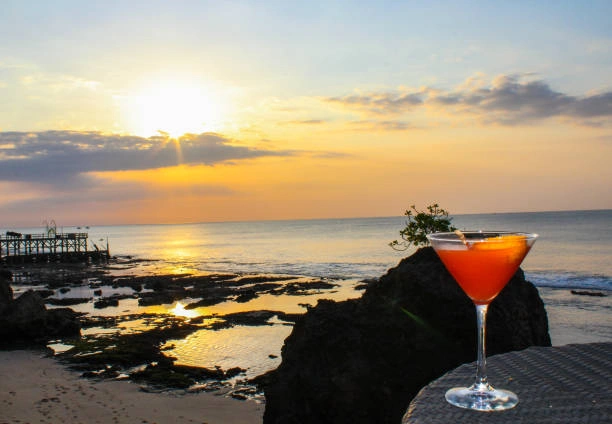
After sunset, the evening works best when kept simple. Options include a casual dinner in Uluwatu or heading toward Jimbaran for a relaxed seafood meal near the beach.
Avoiding long drives late at night helps keep the day comfortable and stress-free.
Day 7: Final Day, Reflection, and Departure
The final day in Bali works best when it is kept light and flexible. After a full week of movement and exploration, this day is less about seeing new places and more about closing the trip properly.
How you spend the last few hours often shapes how the entire journey is remembered.
1. Slow Morning and Breakfast

A relaxed morning helps avoid unnecessary stress before departure. Waking up without rushing allows time to pack calmly and enjoy a final breakfast.
Choosing a nearby café or dining at your accommodation keeps the morning simple and comfortable.
2. Short Walk or Final Stop Nearby

If time allows, a short walk near your accommodation or a quick visit to a nearby spot can be a good way to say goodbye to the area.
This might include:
- A final beach walk
- A quiet coffee stop
- Light souvenir shopping
Keeping any activity close by avoids traffic concerns and last-minute delays.
3. Preparing for Departure
Leaving for the airport with enough buffer time is important, especially in South Bali where traffic can be unpredictable. Planning airport transfers in advance helps the day run smoothly.
Allow extra time for:
- Traffic
- Check-in procedures
- Security checks
For a broader overview, you can also explore this list of the top things to do in Bali and match them with your available time.
One Week in Bali: A Balanced Way to Experience the Island
Spending one week in Bali is not about seeing everything. It is about moving with the right flow, understanding distances, and knowing when to slow down. When each day is planned properly, the trip feels comfortable and enjoyable, without long drives or schedules that feel too tight.
This is where local knowledge makes a real difference. Understanding traffic patterns, best visiting times, and how destinations connect naturally helps turn a busy plan into a smooth experience. Working with a Bali-based tour provider allows you to focus less on logistics and more on enjoying the island itself.
Travel Bali with Local Insight from Marina Bali Tours
Marina Bali Tours is a local tour operator that understands how Bali actually works on the ground. From airport transfers to day tours and full itineraries, everything is arranged with realistic timing, comfortable routes, and attention to detail.
Instead of following generic schedules, trips are planned based on experience, ensuring that each day flows naturally, just like the itinerary above.
If you prefer a complete and well-organized option, Marina Bali Tours also offers a range of Bali Tour Packages designed to suit different travel styles, whether you are visiting Bali for the first time or returning to explore deeper.
These packages are built to:
- Save time and reduce planning stress
- Cover Bali’s highlights without rushing
- Offer flexibility while maintaining structure
- Provide experienced local drivers and guides
By choosing a trusted local team, you can enjoy Bali with confidence, knowing that logistics, routes, and timing are handled properly.
A week in Bali is enough when it is planned well. With the right support and a clear flow, the island becomes easier to explore, more enjoyable to experience, and far more memorable.