Bali has always been more than just a beautiful island. And if you and we are being honest, what truly makes Bali unforgettable isn’t only the landscapes, but the culture that quietly lives within them.
In this cultural itinerary, you’re not just moving from one destination to another. You’re stepping into traditions that are still practiced daily, walking through villages where culture isn’t preserved for display, but lived naturally by the people.
This guide is designed to help you experience Bali in a way that feels meaningful, grounded, and deeply connected to its roots, one day at a time.
Understanding Balinese Culture Before You Go
Before you follow any cultural itinerary in Bali, it helps to understand one important thing: Balinese culture isn’t separated into categories like religion, art, daily life, or nature. Everything is connected.
At the heart of Balinese life lies Tri Hita Karana, a philosophy that emphasizes harmony in three relationships:
- harmony between humans and the divine
- harmony among people
- harmony between humans and nature
This is why temples stand beside rice fields, why offerings appear in front of homes every morning, and why art, rituals, and daily routines flow together naturally. When you travel through Bali with this perspective, each stop feels less like a tourist attraction and more like a story unfolding.
A cultural itinerary isn’t about rushing through landmarks. It’s about slowing down enough to notice how culture shapes everyday life, and how you can respectfully step into it.
Bali Cultural Itinerary Overview
So how does a cultural journey in Bali actually unfold? What kind of experiences should you expect, and how do they connect from day to day?
Here’s how we suggest you experience Bali’s cultural side, progressively, thoughtfully, and without feeling overwhelmed.
This itinerary focuses on:
- traditional arts and craftsmanship
- sacred rituals and spiritual landscapes
- village life and living traditions
The pace is intentionally balanced. Each day builds context, allowing you to understand Bali more deeply before moving on to the next experience.
Day-by-Day Bali Cultural Experience
Rather than jumping straight into sacred rituals or remote villages, this journey begins where Balinese culture expresses itself most openly: through art, heritage, and royal traditions.
Day 1: Art, Heritage, and Royal Traditions in Ubud

Your cultural journey begins in Ubud, widely known as Bali’s artistic and cultural heart. But beyond its popularity, Ubud plays a crucial role in preserving traditional arts that have been passed down for generations.
This first day helps you ease into Balinese culture by understanding how art, craftsmanship, and royal heritage shape daily life.
To start the day, focus on Bali’s artisan villages, where creative skills are often inherited within families.
Key experiences for Day 1 include:
- Celuk Village, where silver craftsmanship has been refined over generations, and you can observe how traditional techniques are still used today
- Mas Village, known for intricate woodcarving that reflects both spiritual symbolism and everyday life
- Ubud Palace, the former royal residence that continues to function as a cultural center
- Ubud Art Market, where local artists and craftspeople sell handmade works rooted in tradition


As you explore these places, you’ll notice that art in Bali isn’t created for galleries alone. It’s embedded in temples, homes, and rituals. Wood carvings often carry spiritual meaning, silver jewelry reflects ceremonial traditions, and even market interactions feel personal rather than transactional.
Day one is less about ticking off destinations and more about learning how Bali expresses its identity through creativity, craftsmanship, and royal influence that still shapes the island’s cultural rhythm today.
Day 2: Living Art and Everyday Cultural Expressions

After understanding Bali through its artisans and royal heritage, day two brings you closer to how culture actually lives within the community. This is the day where traditions are no longer observed from the outside, but experienced through daily practices that Balinese people still carry out today.
Culture in Bali isn’t limited to museums or scheduled performances. It flows through village spaces, communal gatherings, and rituals that often happen without announcement.
On this day, you’ll begin to notice how art, spirituality, and social life are deeply intertwined.
Key cultural experiences you can expect today include:
- Traditional Balinese dance exposure, especially in or around Ubud villages, where dance is taught as part of cultural responsibility rather than entertainment alone
- Local banjar life, the neighborhood-based community system that organizes ceremonies, social activities, and collective decision-making
- Temple courtyards and village spaces, where rehearsals, offerings, and preparations often take place naturally
Dance, in particular, plays an important role in Balinese cultural expression. Many dances you may encounter are not staged productions but rehearsals for upcoming temple ceremonies. Movements are precise, symbolic, and closely connected to spiritual storytelling.
At the same time, observing banjar life helps you understand how Balinese culture survives through collective responsibility. Ceremonies, festivals, and even daily offerings are rarely individual acts. They are shared obligations, carried out together.
Day 3: Sacred Landscapes and Purification Rituals

By the third day, you are no longer just observing Balinese culture. You’re starting to feel how spirituality shapes the island’s landscapes. Mountains, rice fields, and water temples are not chosen randomly. Each holds a specific role within Balinese belief and ritual practice.
This day focuses on water, land, and balance, three elements that are central to spiritual life in Bali.
One of the most meaningful experiences today is visiting a water temple, where purification rituals are part of long-standing tradition.
Key places and cultural elements you’ll encounter today include:
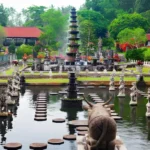
- Tirta Empul Temple, a sacred water temple where locals participate in melukat, a ritual cleansing believed to restore spiritual balance
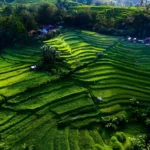
- Tegallalang Rice Terrace, an example of the Subak irrigation system, recognized by UNESCO for its cultural and spiritual significance
- Sacred springs and temple courtyards, where offerings and prayers are made daily
At Tirta Empul, purification is approached with intention rather than spectacle. You’re encouraged to observe respectfully or participate with awareness, understanding that this ritual holds deep meaning for the local community. The flowing water represents renewal, gratitude, and connection to the divine.
After the temple, the journey continues into Bali’s agricultural landscape. Tegallalang isn’t just visually striking. It reflects a philosophy where farming, spirituality, and community governance operate together. The Subak system ensures water distribution while maintaining harmony between villages and temples.
Today is less about movement and more about presence. By combining ritual spaces with natural landscapes, you begin to see how spirituality in Bali is inseparable from the environment itself.
Day 4: Traditional Village Life and Cultural Continuity

After experiencing Bali’s sacred landscapes and rituals, the final day brings you into the heart of cultural continuity: traditional village life. This is where you see how values, customs, and architecture are preserved not through museums, but through everyday living.
One of the best places to understand this is Penglipuran Traditional Village, located in the highlands of Bangli.
Penglipuran is often recognized for its cleanliness and visual harmony, but its true value lies in how the village maintains cultural order through tradition rather than regulation.
Key cultural aspects you’ll experience in Penglipuran include:
- Traditional Balinese house compounds, arranged according to spiritual orientation and family hierarchy
- Clearly structured village layout, reflecting balance between sacred spaces, communal areas, and daily living zones
- Daily routines of local residents, who continue practicing customs, ceremonies, and communal responsibilities


Each household compound follows principles that connect family life with spiritual beliefs. Shrines, kitchens, and living spaces are positioned intentionally, reflecting respect for ancestors and harmony with nature.
What makes this visit meaningful is not observation alone, but understanding. Penglipuran is not preserved for tourism; it functions as a living village. Residents still carry out ceremonies, maintain communal spaces, and pass cultural values down through generations.
By the end of this day, you’ll realize that Balinese culture isn’t something you simply visit. It’s something you witness being lived quietly, consistently, and with deep respect for tradition.
If you feel drawn not only to Bali’s culture but also to its spiritual side, you may want to explore our 5-Day Spiritual Itinerary in Bali, which focuses on sacred temples, purification rituals, and quieter moments for reflection.
Plan Your Bali Cultural Journey with Marina Bali Tours
Experiencing Bali’s culture isn’t just about knowing where to go. It’s about understanding when to visit, how to move between places respectfully, and what kind of experiences truly align with local traditions.
That’s where Marina Bali Tours comes in.
With deep local insight and carefully designed itineraries, Marina Bali Tours helps you explore Bali’s cultural side without rushing, without guesswork, and without missing the deeper context behind each destination. From artisan villages and sacred temples to traditional communities, every experience is planned with balance, comfort, and cultural respect in mind.
Rather than following generic routes, you’re guided through experiences that flow naturally, allowing you to focus on learning, observing, and enjoying Bali at a meaningful pace.
If you’re looking to turn this cultural itinerary into a seamless, well-organized journey, you can explore our curated Bali Tour Packages, designed to match different travel styles while keeping cultural authenticity at the core.
Looking for other ways to experience Bali at a deeper level? You can explore more thoughtfully designed Bali itineraries in our collection, each crafted to match different interests, travel styles, and lengths of stay.