When most people plan a Bali trip, the focus usually falls on places like Canggu, Seminyak, Ubud, or Uluwatu. While those destinations are popular for a reason, they only represent one side of the island. East Bali offers a completely different experience, one that feels quieter, more scenic, and often more connected to Bali’s cultural and natural landscapes.
This part of the island is home to mountain views, traditional villages, royal water palaces, hidden beaches, world-class diving spots, and some of the most beautiful coastal scenery in Bali. If you’re looking to experience a side of Bali that feels less crowded and more authentic, East Bali deserves a place on your itinerary.
Here’s everything you need to know before exploring East Bali, from where to go and what to do to how to plan your time across the region.
Where Is East Bali?
East Bali generally refers to the eastern portion of the island, particularly the region of Karangasem Regency. This area stretches from Bali’s eastern coastline to the slopes surrounding Mount Agung, the island’s highest and most sacred volcano.
Unlike southern Bali, where many attractions sit relatively close together, East Bali covers a larger and more diverse landscape. Within a single day, you can move between mountain valleys, rice terraces, royal gardens, black-sand beaches, snorkeling spots, and dramatic coastal viewpoints.
Some of the most well-known destinations in East Bali include:
- Sidemen
- Amed
- Candidasa
- Lempuyang Temple
- Tirta Gangga
- Taman Ujung
- Tulamben
Because the region is spread across mountains, valleys, and coastline, East Bali often feels more varied than many first-time visitors expect.
Why Visit East Bali?
One of the biggest reasons people fall in love with East Bali is that it offers experiences that can feel increasingly difficult to find in Bali’s busier tourism areas. The landscapes are broader, the pace is slower, and many destinations still retain a strong connection to local culture and everyday life.
Rather than focusing on nightlife, beach clubs, and commercial tourism districts, East Bali is known for its scenery, history, and outdoor experiences. This is where you’ll find rice field valleys stretching beneath Mount Agung, quiet fishing villages along the coast, centuries-old temples, and royal heritage sites that tell part of Bali’s cultural story.
What makes East Bali particularly appealing is the variety of experiences available within a relatively compact region:
- mountain landscapes and volcano views
- traditional villages and local culture
- snorkeling and diving destinations
- scenic coastal roads
- royal gardens and historic landmarks
- quieter beaches and hidden coves
- sunrise viewpoints across the eastern coastline
If southern Bali often feels energetic and fast-paced, East Bali feels more relaxed and immersive. It’s the part of the island where the journey itself becomes just as memorable as the destinations you visit.
Best Places to Visit in East Bali
East Bali isn’t defined by a single attraction. What makes the region special is the variety of landscapes and experiences you can discover within a relatively short distance. From mountain valleys and sacred temples to coastal villages and historic water palaces, each destination reveals a different side of the region.
The following places are among the most rewarding locations to include when exploring East Bali.
1. Sidemen Valley
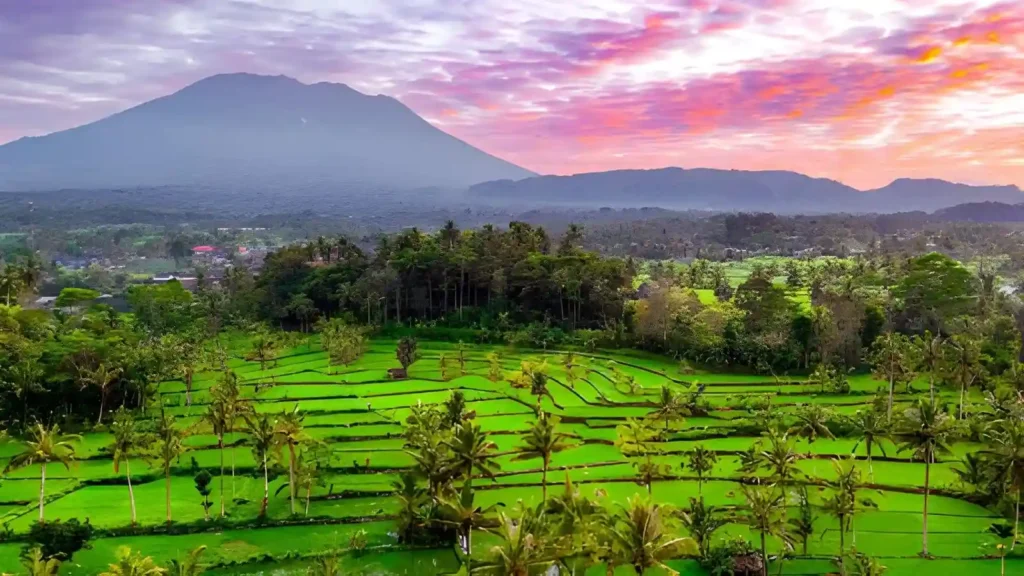
If you’re searching for the East Bali destination that best captures the island’s rural beauty, Sidemen is often the answer. Surrounded by rice terraces, traditional villages, and sweeping views of Mount Agung, the valley offers some of the most peaceful scenery in Bali.
Unlike more developed tourism areas, Sidemen feels remarkably connected to the landscape around it. Rice fields stretch across the valley floor, local farmers continue traditional agricultural practices, and daily life unfolds at a noticeably slower pace.
One of the most rewarding aspects of staying in Sidemen is simply enjoying the scenery. Whether you’re walking through rice fields, relaxing on a terrace overlooking the valley, or watching the morning light reach Mount Agung, the experience feels less about ticking off attractions and more about appreciating the environment itself.
Read more: 12 Best Things to Do in Sidemen Bali For Hidden Valley Experiences
2. Lempuyang Temple
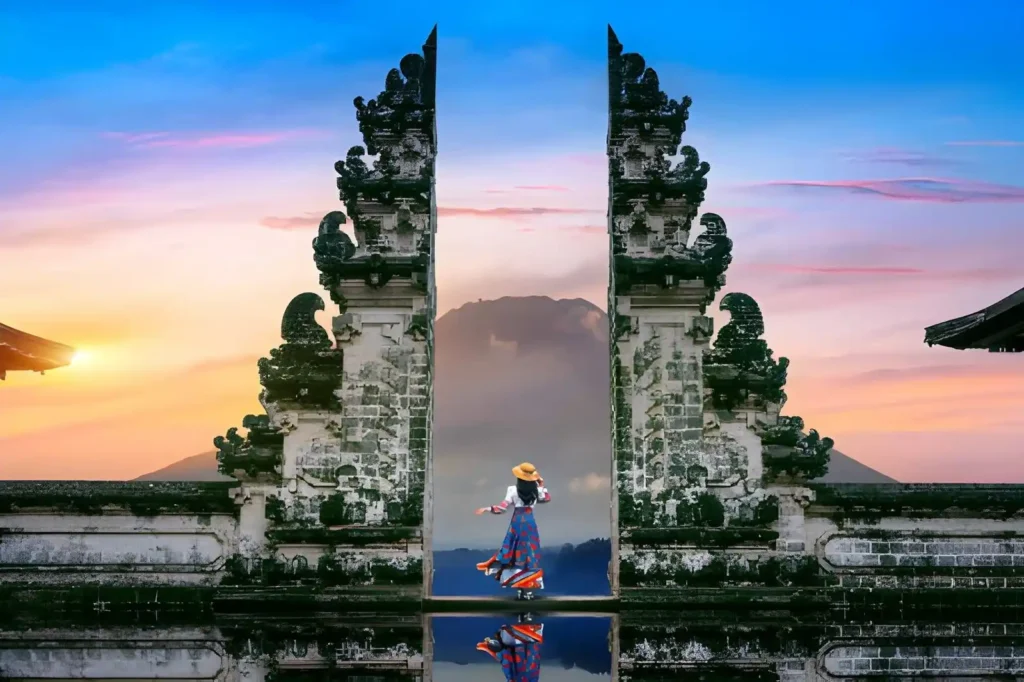
Few places in Bali have become as recognizable as Lempuyang Temple. Often referred to as the “Gateway to Heaven,” the temple is famous for its iconic view toward Mount Agung, framed between the temple gates.
Beyond the photographs, Lempuyang is also one of Bali’s most important spiritual sites. The temple complex sits high on the slopes of Mount Lempuyang and forms part of a larger network of sacred temples that have long held significance in Balinese Hindu culture.
The combination of cultural importance, mountain scenery, and elevated viewpoints makes Lempuyang one of East Bali’s most memorable destinations. On clear mornings, the views can be particularly spectacular, with Mount Agung dominating the horizon in the distance.
3. Tirta Gangga

Among East Bali’s most iconic landmarks, Tirta Gangga offers a completely different experience from the beaches, temples, and mountain landscapes that dominate much of the region. Originally built as a royal water palace by the Karangasem Kingdom, it remains one of the most beautiful garden complexes in Bali.
The first thing you’ll notice is the combination of water, stone carvings, fountains, and carefully landscaped gardens. Stepping stones cross large ponds filled with koi fish, while pools and pathways create a setting that feels both elegant and peaceful. It’s easy to understand why Tirta Gangga has become one of East Bali’s most photographed locations.
What makes the experience especially enjoyable is how relaxed it feels. Rather than rushing through the site, many people spend time wandering through the gardens, appreciating the architecture, and enjoying the calm atmosphere that surrounds the water palace.
Combined with nearby mountain views and countryside scenery, Tirta Gangga offers a glimpse into a more refined and historical side of Bali.
4. Taman Ujung
While Tirta Gangga is often the better-known royal landmark, Taman Ujung is equally impressive and often feels more spacious. Also built by the Karangasem royal family, this historic complex combines gardens, bridges, ponds, and elegant architecture against a backdrop of hills and coastline.
One of the reasons Taman Ujung stands out is its setting. Unlike many cultural attractions in Bali, the views extend beyond the gardens themselves. From elevated areas within the complex, you can see the surrounding countryside, nearby coastline, and distant ocean, creating a landscape that feels uniquely East Balinese.
The atmosphere here tends to be quieter than at many of Bali’s more famous attractions. With wide open spaces and beautiful symmetry throughout the gardens, it’s a place where history, architecture, and scenery come together naturally.
5. Amed
If East Bali had a coastal capital, it would probably be Amed. Stretching along the northeastern shoreline, Amed is known for its relaxed atmosphere, volcanic landscapes, and some of the island’s best snorkeling and diving opportunities.
Unlike the bustling beach scenes found in southern Bali, Amed feels much more laid-back. Traditional fishing boats still line parts of the coastline, local villages remain active, and the pace of life is noticeably slower. The result is a destination that appeals to people looking for ocean experiences without the crowds often associated with Bali’s more developed beaches.
Amed is also one of the best places in Bali to experience sunrise. On clear mornings, the combination of calm ocean waters and views toward Mount Agung creates a scene that feels uniquely East Bali. Whether you’re snorkeling just offshore, exploring the coastline, or simply enjoying the view from a seaside café, Amed offers a side of Bali that feels both beautiful and unhurried.
6. Tulamben
Just north of Amed lies Tulamben, a destination that has earned international recognition among diving enthusiasts. While the village itself remains relatively quiet, the waters offshore are home to one of the most famous dive sites in Southeast Asia.
The main attraction is the USAT Liberty Shipwreck, a World War II shipwreck that now serves as an artificial reef covered in coral and marine life. Divers from around the world travel to Tulamben specifically to experience this site, which is accessible directly from the shoreline.
Even if diving isn’t part of your plans, Tulamben is still worth considering for its coastal scenery and relaxed atmosphere. The combination of volcanic beaches, ocean views, and a slower pace makes it feel very different from many of Bali’s more mainstream coastal destinations.
7. Virgin Beach
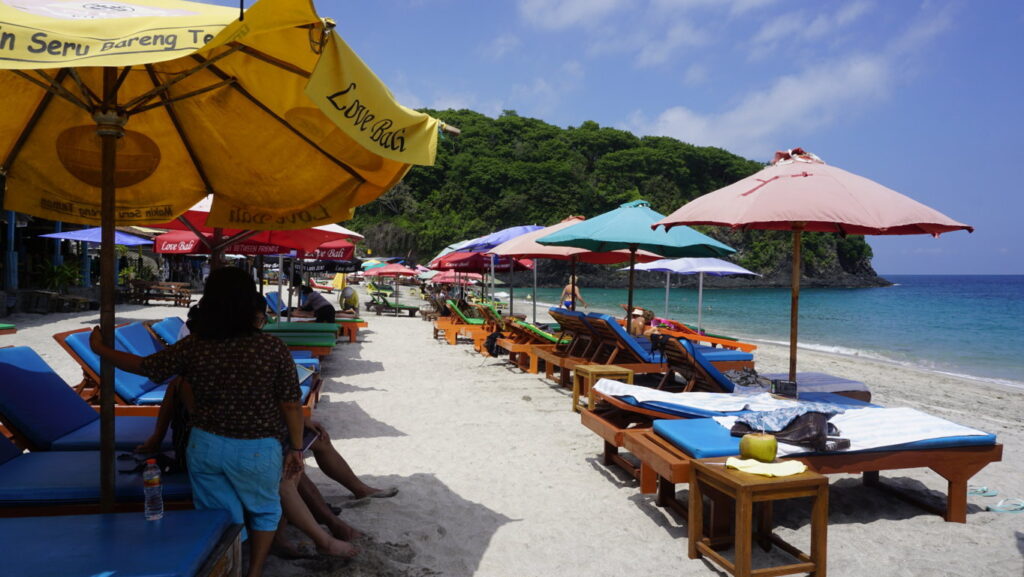
Not every beach in Bali is lined with beach clubs, restaurants, and large crowds. Virgin Beach remains one of East Bali’s most enjoyable coastal escapes, offering a quieter alternative to the island’s better-known beach destinations.
Tucked between green hills and the coastline, the beach is known for its soft sand, clear water, and relatively undeveloped surroundings. While facilities are available, the overall atmosphere remains far more relaxed than what you’ll find in many of Bali’s tourism hotspots.
The appeal of Virgin Beach is simple: space, scenery, and a slower pace. It’s the kind of place where you can spend a few hours swimming, enjoying the ocean view, or simply appreciating the fact that not every beautiful beach in Bali has become heavily commercialized.
8. Candidasa
In East Bali, Candidasa serves as a convenient base for discovering the wider region. Located along the southeastern coast, the town offers a relaxed atmosphere while providing easy access to many of East Bali’s most famous attractions.
What makes Candidasa appealing isn’t necessarily a single landmark, but rather its balance. The area combines ocean views, local restaurants, accommodation options, and a noticeably slower pace than Bali’s major tourism centers. From here, it’s easy to visit places such as Tirta Gangga, Taman Ujung, Virgin Beach, Amed, and Lempuyang Temple.
If you want to explore East Bali without constantly changing accommodation, Candidasa often becomes one of the most practical and enjoyable places to stay. It offers enough facilities for comfort while still maintaining the laid-back character that defines much of the region.
Best Things to Do in East Bali
The best way to experience East Bali isn’t simply by moving from one attraction to another. What makes this region memorable is the variety of experiences it offers.
If you’re wondering what to actually do once you arrive, these are some of the most rewarding experiences East Bali is known for.
1. Watch Sunrise with Views of Mount Agung
Sunrise is one of the most rewarding experiences in East Bali. As the first light reaches the landscape, Mount Agung gradually emerges above the surrounding valleys, rice fields, and coastline, creating some of the island’s most memorable morning scenery.
Places such as Sidemen, Amed, and the Lempuyang area offer particularly beautiful sunrise views. Even without hiking the volcano itself, simply starting your day early can reveal a quieter and more dramatic side of East Bali.
2. Snorkel in Amed’s Clear Coastal Waters
Amed is one of Bali’s best destinations for snorkeling, thanks to its calm waters, healthy coral reefs, and excellent visibility during much of the dry season. Many snorkeling spots are accessible directly from the shoreline, making it easy to explore the underwater world without joining a boat tour.
Colorful fish, coral gardens, and volcanic coastal scenery combine to create an experience that feels very different from Bali’s more crowded beach destinations.
3. Dive the Famous USAT Liberty Shipwreck
Just off the coast of Tulamben lies the famous USAT Liberty Shipwreck, one of the most recognized dive sites in Indonesia. Over the decades, the wreck has become home to coral formations and diverse marine life, transforming a piece of history into a thriving underwater ecosystem.
Whether you’re an experienced diver or earning your certification, the Liberty Wreck remains one of East Bali’s signature experiences and a major reason why divers visit the region from around the world.
4. Explore Bali’s Royal Water Palaces
East Bali’s royal history comes to life through Tirta Gangga and Taman Ujung, two of the region’s most impressive heritage sites. Both feature elegant gardens, ponds, fountains, and architecture that reflect the legacy of the former Karangasem Kingdom.
Beyond their cultural significance, these landmarks are also among the most photogenic places in East Bali, offering a peaceful atmosphere and beautiful scenery that rewards a slower pace of exploration.
5. Discover Hidden Beaches Along the Coast
While southern Bali is known for its busy beach scene, East Bali offers a more relaxed coastal experience. Beaches such as Virgin Beach provide open space, scenic surroundings, and a quieter atmosphere that feels far removed from the island’s busiest tourism areas.
These beaches are ideal if you’re looking to spend a few hours swimming, relaxing by the ocean, or simply enjoying Bali’s coastline without the crowds often found elsewhere.
6. Drive Through East Bali’s Scenic Coastal Roads
Some of East Bali’s best views are found between destinations rather than at them. Coastal roads wind through fishing villages, volcanic landscapes, rice fields, and ocean viewpoints, making the journey itself part of the experience.
Allowing extra time for these drives often leads to unexpected discoveries and some of the most memorable scenery you’ll encounter throughout the region.
7. Visit Traditional Villages and Rural Landscapes
Beyond the temples and beaches, East Bali remains one of the best places to experience a more traditional side of the island. Areas such as Sidemen showcase rice farming, village life, and landscapes that have changed little over generations.
Spending time in these quieter settings offers a deeper appreciation of East Bali’s character and often becomes one of the most meaningful parts of the journey.
East Bali Itinerary Ideas
One of the biggest advantages of East Bali is that many of its highlights can be combined into a single route. Whether you only have one day or want to explore the region more deeply over several days, there are plenty of ways to experience East Bali without feeling rushed.
One-Day East Bali Trip
If you’re short on time, focus on East Bali’s most iconic landmarks. A route combining Lempuyang Temple, Tirta Gangga, and Virgin Beach offers a balanced introduction to the region, blending culture, scenery, and coastline in a single day.
This itinerary works particularly well if you’re staying in Ubud, Sanur, or other parts of southern Bali and want to experience East Bali as a day trip.
Two-Day East Bali Trip
With two days, you can explore at a much more relaxed pace while adding Amed to your itinerary. After visiting East Bali’s cultural landmarks on the first day, the second day can focus on coastal scenery, snorkeling, and sunrise experiences along the northeastern shoreline.
This allows you to experience both the cultural and coastal sides of East Bali without rushing between destinations.
Three-Day East Bali Trip
Three days is often the ideal amount of time to experience East Bali properly. In addition to Lempuyang, Tirta Gangga, Virgin Beach, and Amed, you’ll have time to explore Sidemen Valley and Tulamben.
This itinerary combines mountain landscapes, rice terraces, cultural landmarks, beaches, snorkeling, and diving opportunities, creating one of the most complete regional experiences available anywhere in Bali.
Explore East Bali More Comfortably With Marina Bali Tours
One of the challenges of exploring East Bali is that many of its best attractions are spread across different parts of the region. Mountain valleys, temples, beaches, snorkeling spots, and heritage sites can be located hours apart, making route planning an important part of the experience.
With Bali Tours Packages from Marina Bali Tours, you can explore East Bali more comfortably through private transport, flexible itineraries, and routes designed around your interests. Whether you’re planning a one-day East Bali adventure or a multi-day journey through Sidemen, Amed, and Karangasem, everything can be arranged around the pace and experiences you prefer.
Instead of spending your trip figuring out distances, schedules, and logistics, you can focus on discovering the landscapes, culture, and coastal beauty that make East Bali one of the island’s most rewarding regions.
For more Bali travel inspiration, destination guides, and itinerary ideas, continue exploring our related East Bali articles below ..
FAQs About East Bali
Is East Bali worth visiting?
Yes. East Bali is one of the most diverse regions on the island, offering temples, rice valleys, coastal scenery, snorkeling, diving, royal heritage sites, and a more relaxed atmosphere than many of Bali’s busier tourism areas.
What is East Bali known for?
East Bali is best known for destinations such as Lempuyang Temple, Tirta Gangga, Amed, Sidemen Valley, Tulamben, Virgin Beach, and its beautiful views of Mount Agung.
How many days do you need in East Bali?
A day trip is enough to see a few highlights, but two to three days is generally recommended if you want to explore the region at a more comfortable pace.
What are the best places in East Bali?
Some of the most popular places include Sidemen, Amed, Lempuyang Temple, Tirta Gangga, Taman Ujung, Virgin Beach, Tulamben, and Candidasa.
Is East Bali less crowded?
Yes. Compared to areas such as Seminyak, Canggu, and central Ubud, much of East Bali feels quieter and less commercialized.
Can you stay in East Bali?
Absolutely. Areas such as Sidemen, Amed, and Candidasa offer a wide range of accommodation options, from boutique hotels and beachfront stays to luxury villas and nature retreats.