January in Bali often comes with mixed opinions. Some travelers worry about rain, others hear it is quiet, calm, and more authentic. The truth sits somewhere beautifully in between.
If you are planning to visit Bali in January 2026, this guide will help you truly understand what the island feels like during this time. Not just the weather, but the rhythm, the atmosphere, and how you can still enjoy Bali fully if you plan it the right way.
Why January Is a Unique Month to Visit Bali
January is not Bali’s peak season, and that is exactly what makes it special. The island breathes differently. The roads feel calmer, popular spots are less rushed, and many places feel more local than touristy.
Instead of rushing from one attraction to another, January invites you to slow down and actually feel Bali.
Weather Patterns You Really Need to Understand
January falls in Bali’s rainy season, but rain does not mean nonstop storms all day. Most days follow a predictable pattern. Mornings are usually bright and comfortable, afternoons may bring short tropical showers, and evenings often cool down pleasantly.
Rain here feels different. It is warm, refreshing, and often brief. With a flexible plan, you can still enjoy beaches, temples, waterfalls, and outdoor adventures without stress.
How Crowds and Travel Flow Change in January
Once New Year celebrations end, Bali becomes noticeably quieter. Tourist numbers drop compared to December, which means fewer crowds at beaches, temples, and restaurants.
This is when Bali feels more personal. You can explore without long lines, enjoy better attention at cafés and hotels, and move around the island more smoothly.
What Bali Feels Like in January
Many travelers hear the same thing about January in Bali. “It’s rainy.” “It’s low season.” “It’s not the best time.”
But once you actually arrive, the experience often feels very different from what you imagined.
January in Bali is not about chasing perfect weather. It is about slowing your pace, feeling the island breathe, and seeing a side of Bali that many visitors never experience during the busy dry season. The atmosphere is calmer, the landscapes are richer, and the rhythm of life feels more natural.
Instead of constant sunshine and packed itineraries, January offers space. Space to explore, to rest, and to connect more deeply with the island.
Daily Rhythm from Morning to Night
January days in Bali tend to follow a gentle and predictable rhythm, which makes planning surprisingly easy once you understand it.

Mornings are the most active and rewarding part of the day. The air feels fresh, the light is soft, and popular places are quieter. This is when Bali feels open and inviting. Early beach walks, temple visits, countryside drives, and outdoor tours feel unhurried and peaceful. If you enjoy photography, nature walks, or cultural sightseeing, mornings in January are truly special.
Afternoons slow down naturally. Short rain showers are common, but they are rarely constant or disruptive. Many travelers learn to embrace this time as a pause rather than a problem. A café break, a spa session, or returning to your hotel to rest becomes part of the experience rather than a compromise.
Evenings in January feel cozy and relaxed. Temperatures cool slightly, restaurants feel less crowded, and dining becomes more intimate. Instead of rushing from place to place, evenings invite you to linger, enjoy conversations, and savor the slower energy of the island.
Outdoor Activities That Still Work Beautifully
January is often misunderstood as a month where outdoor activities stop. In reality, many experiences feel even better during this season when planned with the right timing.
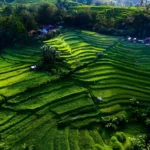
Nature is at its most alive. Rain feeds the rivers, refreshes the forests, and brings out vibrant shades of green across rice terraces and hillsides. Waterfalls become more dramatic, and jungle areas feel lush and cinematic.
Activities like rafting, ATV rides, cycling tours, and scenic walks remain popular in January, especially in the morning hours. With fewer tourists around, these experiences feel less rushed and more personal.
The key is flexibility and local awareness. Knowing when to go, where to go, and how to adjust plans makes January not a limitation, but an advantage.
Best Things to Do in Bali in January 2026
January is not about doing everything. It is about doing the right things at the right time.
Beaches and Morning Coastal Time

While January is not ideal for long sunbathing sessions, beaches are still an important part of the experience, especially in the early hours of the day.
Mornings along the coast feel calm and spacious. Areas like Sanur and Nusa Dua are especially pleasant, offering gentle waves, clean walking paths, and beautiful sunrise views. These moments are perfect for relaxed swims, quiet beach walks, or simply sitting by the shore as the island wakes up.
On the west coast, the ocean can be rougher, but the atmosphere feels more local and less commercial. Beaches are less crowded, giving you a more authentic coastal perspective rather than a postcard version of Bali.
Waterfalls and Scenic Nature Visits

January is one of the most visually impressive months for exploring Bali’s waterfalls and natural landscapes.
Rain brings power and movement to places like Tegenungan, Tibumana, and Sekumpul. Water flows stronger, mist rises from the jungle, and the surroundings feel dramatic and immersive. These are not just sightseeing stops, but moments where nature feels alive around you.
Rice fields across Ubud and central Bali glow in deep green tones. Hills look fuller, valleys feel richer, and scenic drives become part of the experience rather than just transportation.
If you enjoy nature, photography, or slow exploration, January offers some of Bali’s most rewarding visuals.
Cultural Experiences and Local Arts

One of the quiet advantages of visiting Bali in January is how cultural experiences change when crowds are smaller.
Temple visits feel calmer and more respectful. Traditional dance performances feel less staged and more intimate. Art villages and local workshops allow more time for conversation and observation.
In places like Ubud, January creates space to explore Bali’s cultural side without distractions. You notice details more easily. Daily offerings, ceremonies, and local routines feel more visible and meaningful.
This is a month where culture feels lived, not displayed.
Adventure and Eco-Friendly Activities

Adventure activities continue throughout January and often feel more enjoyable due to cooler temperatures and greener surroundings.
Rafting routes benefit from stronger river flows. Jungle trekking feels fresher. Cycling tours pass through landscapes that look newly refreshed by rain.
Guided experiences are especially valuable during this time, as local insight helps you avoid weather disruptions and choose the best windows for each activity. With the right planning, adventure in January feels immersive rather than extreme.
Food, Cafés, and Relaxation in January
Rainy afternoons in Bali naturally invite you to slow down, and the island’s food and wellness scene fits this mood perfectly.
Dining Experiences and Seasonal Comfort Food

January is ideal for long breakfasts, slow lunches, and relaxed dinners. Cafés and restaurants feel less crowded, allowing you to enjoy the atmosphere rather than rush for a table.
Ubud, Seminyak, and Canggu offer cozy spaces where warm dishes, fresh coffee, and creative menus match the quieter energy of the season. This is a great time to explore local flavors, comfort food, and fusion cuisine without feeling overwhelmed by crowds.
Meals become part of the experience rather than just refueling stops.
Spas, Yoga, and Wellness Retreats

January is one of the most underrated months for wellness in Bali.
Spas are quieter, yoga classes feel more personal, and wellness retreats offer a calmer environment. Without peak-season pressure, services feel more attentive and relaxed.
This month encourages balance. Instead of constant movement, January invites you to listen to your body and enjoy moments of rest alongside exploration.
Before you lock in your January plans, it also helps to understand what has changed and what to prepare, so take a moment to read our Things to Know Before Visiting Bali in 2026: A Smart Travel Guide for a smoother, more confident trip.
Best Areas to Stay in Bali in January 2026
Choosing the right area becomes even more important during the rainy season.
Sanur and Nusa Dua

These areas offer smoother beaches, calmer seas, and well-organized infrastructure. They are ideal if you want an easy, peaceful stay with reliable access to attractions and dining.
Seminyak and Canggu

If cafés, restaurants, and social energy are important to you, these areas still work well in January. Planning outdoor activities in the morning helps you enjoy the best of both worlds.
Ubud and Central Bali

Ubud truly shines in January. The rain enhances the landscape, and cultural experiences feel deeper and less commercial. This is where January’s atmosphere feels most natural.
Practical Tips for Visiting Bali in January
A little preparation goes a long way.
- What to Pack for Bali in January
Light rain jackets, quick-dry clothing, comfortable walking shoes, and waterproof bags are essentials. You will still need summer clothes, as temperatures remain warm. - Transport, Timing, and Flexibility
Plan outdoor activities in the morning and indoor or flexible plans in the afternoon. Working with local drivers or guided tours helps you adjust plans easily when weather changes. - Health and Safety Considerations
January is generally safe for travel. Stay hydrated, use insect repellent, and follow local advice when visiting natural areas.
Bali Itineraries You Can Try for January 2026
January works best in Bali when your itinerary feels flexible rather than packed. Short tropical showers usually pass quickly, and the island looks greener and calmer than peak season.
Below are sample itineraries designed specifically for January travel conditions, helping you enjoy Bali comfortably while staying open to weather friendly adjustments.
3-Day Bali January Highlights
A 3 day trip in January is best when you focus on one main area only, such as Ubud or South Bali. This keeps travel time short and allows you to enjoy each place without rushing between locations. Morning hours are usually ideal for outdoor activities, while afternoons are perfect for cafés, spas, or cultural experiences.
For example, in Ubud, you can explore rice terraces, temples, and waterfalls early in the day when the air feels fresh and quiet. Later, slow things down with a traditional Balinese massage, a relaxed lunch overlooking the jungle, or a casual walk through art markets. This rhythm fits January beautifully, letting you experience Bali without fighting the weather.
This short itinerary is ideal if Bali is part of a longer Southeast Asia trip or if you simply want a gentle introduction to the island.
5-Day Balanced Bali Experience
With five days, January becomes much more enjoyable because you can balance coastal relaxation and cultural exploration without feeling pressed for time. A popular approach is splitting your stay between South Bali and Ubud, or staying in one central base and doing short day trips.
You might start with beaches, sunset dinners, and light sightseeing in areas like Seminyak, Jimbaran, or Nusa Dua. After that, shift inland to Ubud for nature, temples, and slower mornings. Keeping one or two days flexible is important, allowing you to adjust plans if rain appears or if you discover a place you want to enjoy longer.
This itinerary suits couples, first time visitors, and travelers who want a complete Bali experience without packing too many destinations into a short stay.
7-Day Slow and Meaningful Journey
A 7 day January itinerary is perfect if you want to experience Bali beyond the highlights. With more time, you can explore multiple regions comfortably while maintaining a relaxed pace. This allows you to adapt naturally to weather patterns and enjoy the island as locals do.
You might combine South Bali, Ubud, and one quieter region such as Sidemen or East Bali. Mornings can be used for outdoor exploration, while afternoons remain flexible for cafés, village walks, or spa time. Even rainy moments become part of the experience rather than a disruption.
This slower journey is ideal for travelers who value depth over quantity, prefer meaningful experiences, and want their Bali trip to feel personal rather than rushed.
Make January 2026 in Bali Truly Effortless and Unforgettable
January in Bali is not just about weather, crowds, or travel tips. It is about how smoothly everything comes together once you arrive. When transportation is clear, schedules make sense, and experiences feel personal, your trip naturally becomes more enjoyable. This is where many travelers realize that Bali is best experienced with thoughtful planning rather than last minute decisions.
With Marina Bali Tours, every journey designed around how travelers actually move through Bali in January. From airport pickups during peak New Year arrivals, flexible itineraries that adapt to tropical rain patterns, to curated day tours that still feel relaxed, everything is arranged so you can focus on enjoying the island instead of managing logistics. Whether you are visiting Bali for the first time or returning to explore deeper, the experience feels easier, calmer, and far more rewarding.
More importantly, January travel deserves balance. Some days are perfect for scenic tours and cultural exploration, while others are better spent slowing down, enjoying your hotel, or discovering Bali’s quieter sides. Marina Bali Tours offers carefully designed Bali tour packages that respect this rhythm. You are never rushed, never overwhelmed, and always supported by a team that understands Bali not just as a destination, but as a living island with its own pace.
If you are planning Bali in January 2026, consider making your trip simpler, warmer, and more meaningful from the start. With the right local support and well planned itineraries, January becomes one of the most comfortable and memorable times to explore Bali, exactly the way it should feel.