Kintamani is a highland area in Bangli Regency, central Bali, known for its volcanic landscape, agricultural communities and views of Mount Batur and Lake Batur. The name is commonly used by international visitors to describe the broader highland destination, rather than one single village attraction.
The cooler climate and fertile volcanic environment have shaped everyday life around Kintamani, from coffee and citrus farming to small villages spread across the highlands. Here’s what Kintamani is like, what makes the area distinctive and what you can experience during a visit.
What Makes Kintamani Village Special?
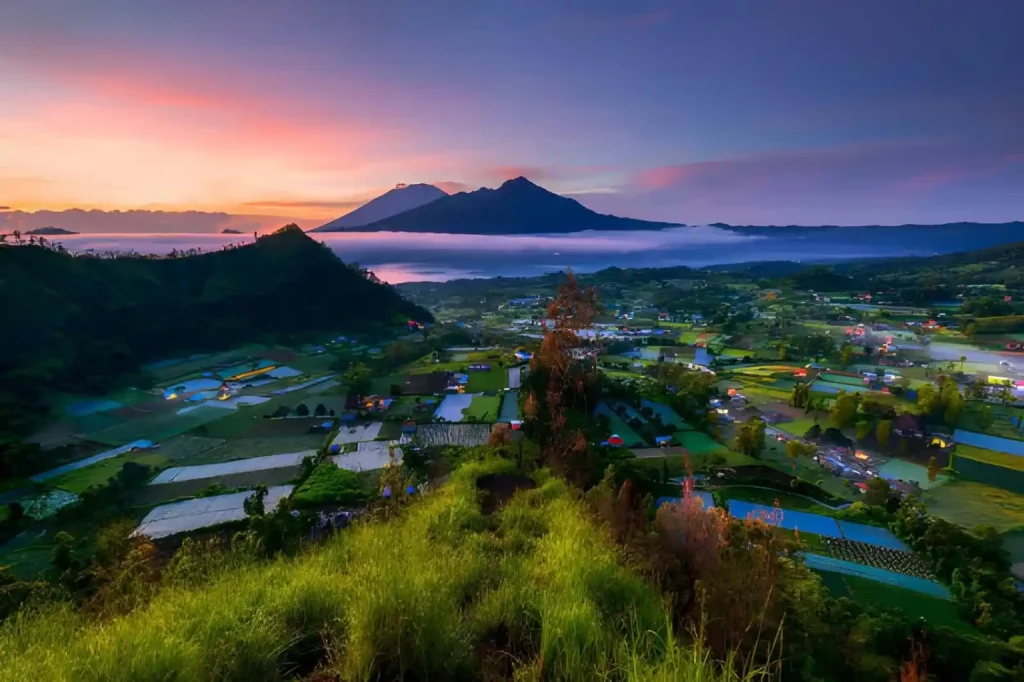
Kintamani’s appeal comes from the relationship between its landscape and the communities living within it. Mount Batur provides the dramatic backdrop, while farms, villages and roads occupy the surrounding highlands.
You can therefore experience Kintamani in several different ways, depending on how you plan your day.
1. Life Around a Volcanic Landscape
Mount Batur is an active volcano, and the surrounding landscape was shaped by volcanic activity over thousands of years.
The result is a striking combination of dark volcanic terrain, mountain slopes and cultivated land. Rather than being separated from everyday life, this volcanic environment is part of the agricultural landscape around Kintamani.
For you, that means the scenery changes as you travel through the area. One stretch of road may open toward the caldera, while another passes through farms and settlements.
2. Kintamani’s Highland Agriculture
Agriculture is an important part of Kintamani’s identity.
The highland environment supports crops including Arabica coffee, citrus and vegetables, with farming areas spread throughout the district. Kintamani’s coffee in particular has become closely associated with the area’s geographic origin and highland growing conditions.
This is one reason a visit to Kintamani can feel more substantial when you include an agricultural experience rather than stopping only at a viewpoint.
You can see coffee growing in its natural environment, visit a farm or plantation, and in some experiences learn how the cherries are processed and prepared for drinking.
3. The Cooler Mountain Atmosphere
The temperature is another noticeable difference.
Kintamani sits high above Bali’s coastal areas, so the air is generally cooler, particularly in the morning and evening. Cloud and mist can also move across the mountain landscape, changing the atmosphere and visibility throughout the day.
Don’t expect the same weather conditions every time you visit. Clear mornings can reveal broad views toward Mount Batur and Lake Batur, while cloudier conditions create a much softer highland landscape.
That changing atmosphere is part of what makes Kintamani worth experiencing beyond a single photo stop.
Things to Do in Kintamani Village
Once you move beyond the main viewpoint, Kintamani becomes a much broader highland experience. You can spend time around the volcanic landscape, explore its agricultural side, or simply slow down and enjoy the cooler mountain environment.
Here’s what you can experience around Kintamani.
1. Explore Kintamani’s Mountain and Caldera Views
The volcanic landscape is one of the defining features of Kintamani.
From elevated areas around the caldera, you can look across Mount Batur, Lake Batur and the surrounding volcanic terrain. The view changes considerably with the weather. Clear conditions reveal more of the mountain contours and lake, while clouds can partially cover the landscape and create a more atmospheric scene.
Rather than treating the view as one fixed viewpoint, take some time to understand the landscape itself. The combination of the volcano, caldera and lake is what gives Kintamani its distinctive geography.
2. Visit a Kintamani Coffee Plantation
Coffee is one of the most interesting ways to experience Kintamani beyond its scenery.
The highland environment supports Arabica coffee, and several agricultural experiences around the area allow you to see coffee plants, learn about harvesting and processing, and taste locally grown coffee.
Depending on the plantation, the experience can range from a simple tasting stop to a more hands-on introduction to the process from coffee cherry to roasted beans and brewed coffee.
This is particularly worthwhile if you want to understand why Kintamani has become associated with Bali’s coffee culture rather than simply buying a cup with a mountain view.
Read more: Kintamani Coffee Plantation: Coffee Tours, Tasting & What to Expect
3. Explore Kintamani’s Citrus Farms
Kintamani is also known for its citrus-growing areas.
You’ll see orange and citrus trees across parts of the highlands, often alongside other agricultural crops. The farms are part of the working landscape rather than a single centralized attraction, so the experience depends on where your route takes you and whether a farm is open for visitors.
If you encounter a farm experience that allows a closer look, it offers a simple way to see another side of Kintamani’s agricultural economy.
4. Explore Rural Roads and Local Landscapes
Some of the most interesting parts of Kintamani appear between the major attractions.
As you travel through the district, you’ll pass farming areas, village roads and settlements surrounded by highland vegetation. These quieter stretches give you a better sense of how the landscape is used beyond tourism.
This doesn’t mean every village operates as a formal tourist attraction. In many places, you’re simply passing through a living agricultural community, so keeping the visit respectful is important.
5. Enjoy the Highland Food and Coffee Scene
Kintamani’s cooler setting has also encouraged a growing café and restaurant scene, particularly around areas with views toward Mount Batur and Lake Batur.
You can stop for locally grown coffee, breakfast or a longer meal while taking in the volcanic landscape.
You may also want to read this: 10 Things to Do in Kintamani Bali For Amazing Volcano and Lake Experiences
Best Time to Visit Kintamani Village
Morning is generally the best time to explore Kintamani if your priority is mountain scenery and cooler conditions. Earlier in the day can also give you a better chance of seeing Mount Batur and Lake Batur before cloud cover becomes more prominent.
Morning for Mountain Views
An early start works particularly well if your plans include viewpoints, photography or a coffee plantation.
The temperature is usually more comfortable, and the highland landscape can feel clearer and quieter than later in the day. If you’re coming from Ubud or southern Bali, leaving early also gives you more time to explore without compressing the rest of your itinerary.
Midday for a Slower Experience
You don’t have to arrive at sunrise to enjoy Kintamani.
Midday works well if your priority is a relaxed combination of lunch, coffee, agriculture and scenic stops. Cloud cover may increase around the mountains, but conditions vary from day to day.
This timing is also more practical for you if Kintamani is one stop within a longer Central Bali itinerary.
Weather and Cloud Conditions
Kintamani’s mountain weather can change quickly.
Clear conditions can provide wider views of Mount Batur and Lake Batur, while clouds and mist can obscure parts of the landscape. Rain can also affect road conditions and outdoor activities.
Rather than planning around a guaranteed view, leave some flexibility in your schedule. If the mountain is temporarily covered, you can spend time at a coffee plantation, café or other sheltered stop and return to the viewpoint later if conditions improve.
Best Kintamani Routes to Combine With a Village Visit
Kintamani covers a broad area, so the most comfortable itineraries group stops according to geography rather than trying to visit everything in one day. Here’s how you can shape the route around your interests.
1. Kintamani Village + Coffee Plantation

Best for: agriculture, local coffee and mountain scenery.
Start with the highland landscape and continue to a coffee plantation where you can learn about Arabica cultivation and processing.
This is one of the easiest ways to turn a Kintamani visit into an experience rather than a quick viewpoint stop.
2. Kintamani + Mount Batur
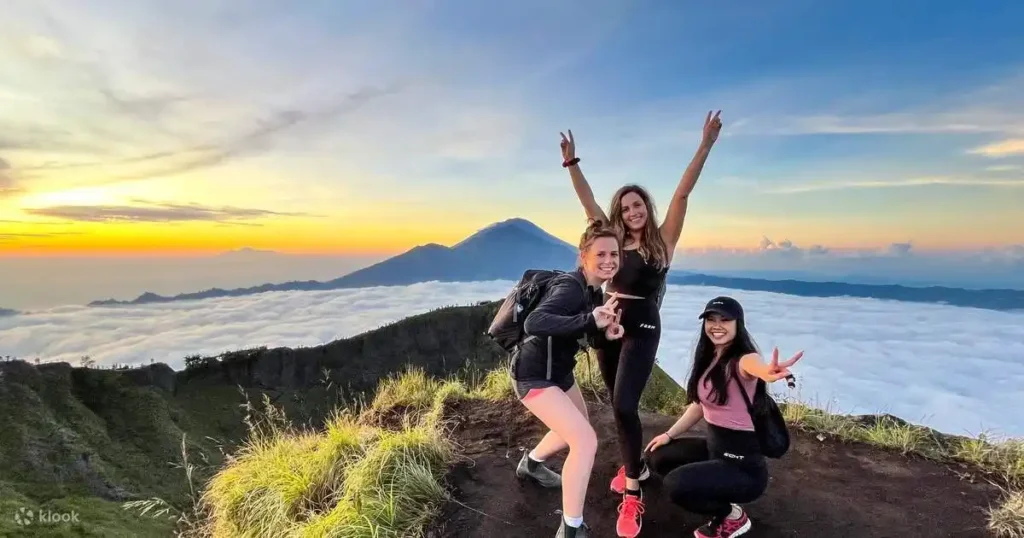
Best for: volcano-focused experiences.
You can combine scenic viewpoints around Kintamani with a Mount Batur sunrise trek if you’re prepared for the early start and physical effort.
If you’re not hiking, simply viewing Mount Batur from the surrounding highlands still gives you a strong sense of the volcanic landscape.
3. Kintamani + Lake Batur
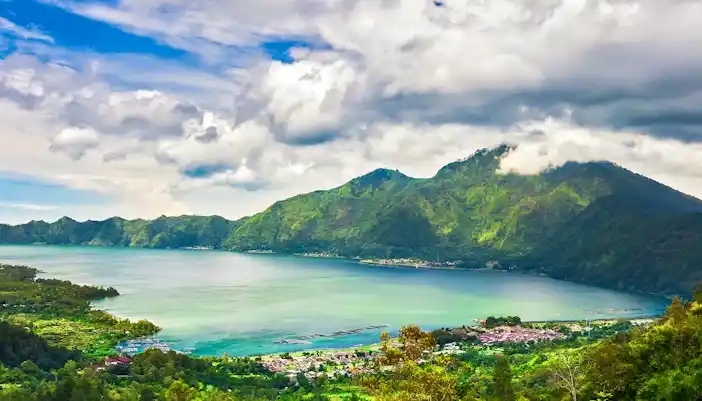
Best for: scenery and a slower pace.
Spend time above the caldera before continuing toward Lake Batur and its surrounding areas.
This route gives you two perspectives of the same landscape: the elevated view from Kintamani and the closer experience around the lake.
4. Kintamani + Tirta Empul

Best for: volcanic scenery and Balinese culture.
The two destinations offer very different experiences. Kintamani is centered around the highland and volcanic landscape, while Tirta Empul is a Hindu temple complex known for its sacred spring water and purification tradition.
Because they are not next-door attractions, allow sufficient driving time when planning the route.
Read more: Tirta Empul Temple Guide: Sacred Water Purification Ritual in Bali
5. Kintamani + Tegallalang
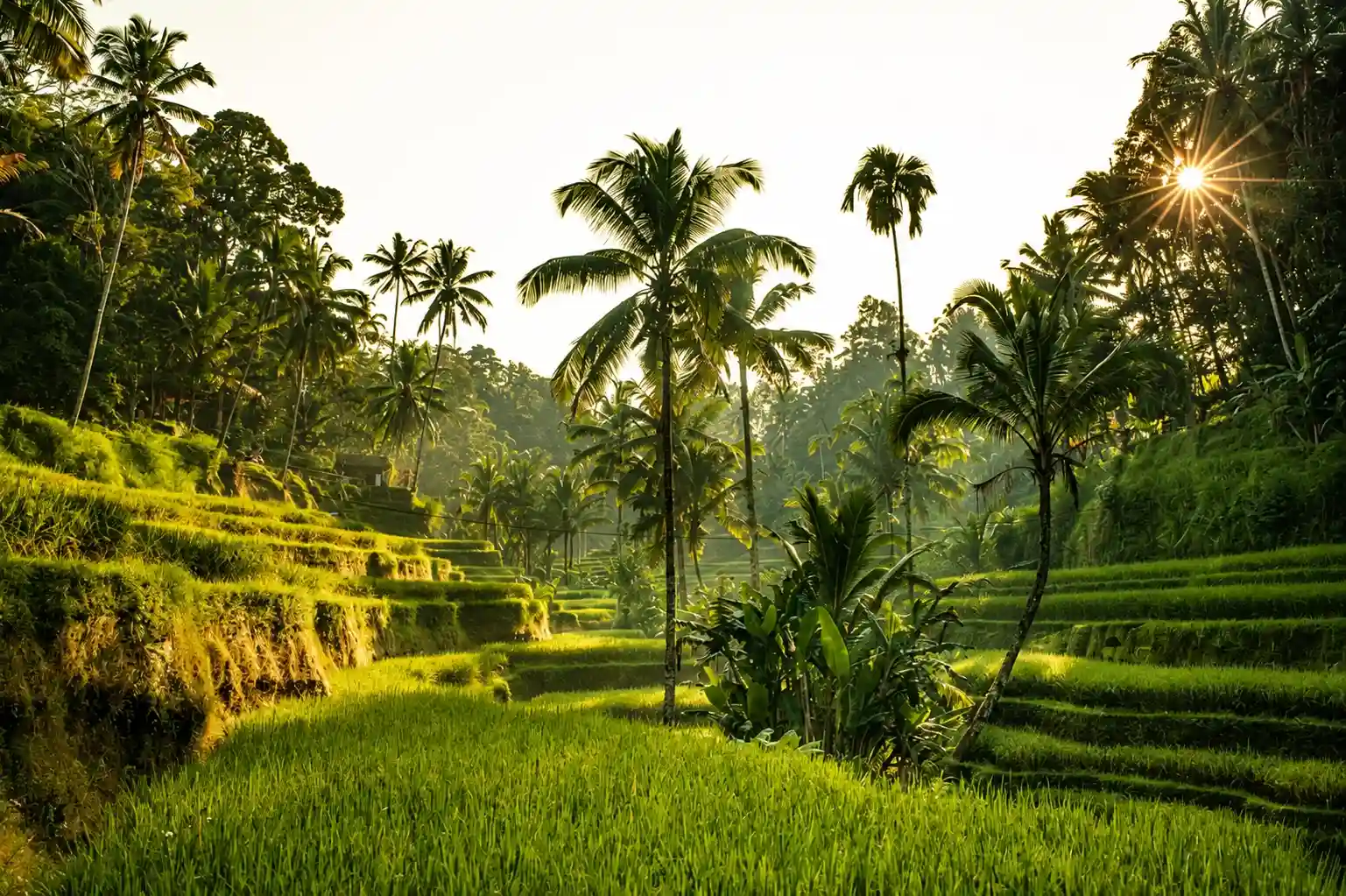
Best for: Central Bali’s agricultural landscapes.
Tegallalang lies south of Kintamani, so this combination can work as part of a broader route between the highlands and Ubud.
It is better suited to a full-day itinerary than a quick two-stop excursion, particularly if you want enough time to experience both areas rather than simply passing through.
Read more: Tegallalang Rice Terrace: Best Time, Entrance Fee & Things to Do
6. Kintamani + Ubud

Best for: a full Central Bali day.
A practical route can move from Ubud toward Kintamani, spend time around the highlands, then continue with selected stops on the way back.
The key is to choose a manageable number of attractions. Kintamani is a large area, and adding too many stops can make the itinerary unnecessarily rushed.
Want to explore more of the highlands? Here’s where you can discover Kintamani’s coffee, hot springs, mountain views and other local experiences.
Explore Kintamani Village and Bali’s Highlands With Marina Bali Tours
Kintamani is best experienced at a pace that leaves room for the landscape. Instead of rushing between a viewpoint, coffee plantation and mountain stop, you can build the day around the parts of Kintamani that interest you most.
With Marina Bali Tours, you can arrange a private Kintamani itinerary around your hotel location, preferred pace and the experiences you want to include.
Whether you’re interested in coffee and local agriculture, Mount Batur and Lake Batur, scenic viewpoints or a wider Central Bali route, we can help put the stops into a practical order so you can spend more time enjoying Kintamani and less time figuring out the road.
FAQs About Kintamani Village
What is Kintamani Village in Bali?
Kintamani is a highland area in Bangli Regency, Central Bali, known for its volcanic landscape, agricultural communities, Mount Batur and Lake Batur. The name commonly refers to the wider Kintamani area rather than one single tourist village.
Is Kintamani a village or a district?
Kintamani is a district (kecamatan) in Bangli Regency containing numerous villages and settlements. “Kintamani Village” is often used informally in travel searches to describe the wider highland area.
What is Kintamani Bali famous for?
Kintamani is best known for Mount Batur, Lake Batur, its volcanic caldera, highland coffee and agricultural landscape. The area is also popular for its cooler mountain environment and scenic viewpoints.
Can you visit Kintamani without hiking Mount Batur?
Yes. You can experience Kintamani through its mountain viewpoints, Lake Batur, coffee plantations, agricultural areas, cafés and rural landscapes without doing the Mount Batur trek.
What can you do in Kintamani Village?
You can explore mountain and caldera views, visit coffee plantations, experience Kintamani’s agricultural landscape, enjoy local food and coffee, and include Mount Batur or Lake Batur in a wider itinerary.
What is the best time to visit Kintamani?
Morning is generally the best time for mountain scenery and cooler conditions. Visibility can change throughout the day because Kintamani has a highland climate, so clear views of Mount Batur are never guaranteed.
How far is Kintamani from Ubud?
Kintamani is commonly visited as a day trip from Ubud, although the actual journey time depends on your exact destination in Kintamani, traffic and road conditions.
Can you combine Kintamani with Ubud?
Yes. Kintamani and Ubud can work well as part of a full-day Central Bali route, particularly when you select stops that follow a practical geographic direction rather than trying to cover too many attractions.
Is Kintamani worth visiting?
Yes, especially if you want to experience Bali’s volcanic highlands, mountain scenery, coffee-growing areas and rural landscapes. You also don’t need to hike Mount Batur to enjoy the area.