
Bali is one of those destinations that looks beautiful all year round. But if you want your trip to truly feel right, with pleasant weather, comfortable crowds, and experiences that match your travel style, timing matters more than you might think.
In this guide, you will discover the best time to visit Bali in 2026, broken down by seasons, months, weather patterns, and travel goals. Whether you are planning a relaxed beach escape, an adventurous island exploration, or a romantic holiday, this article will help you choose the perfect moment to go.
Understanding Bali’s Seasons in 2026
Bali has a tropical climate, which means the year is broadly divided into two main seasons: the dry season and the rainy season. While the pattern remains consistent in 2026, the way these seasons affect travel experience is often misunderstood.
Dry Season: April to October
The dry season is generally considered the most popular time to visit Bali. Rainfall is lower, humidity is more manageable, and outdoor activities are easier to plan.
However, “dry season” does not automatically mean “quiet” or “stress free.”
In 2026, this period also coincides with the highest number of international visitors. July and August, in particular, are peak months due to summer holidays in Europe, Australia, and parts of Asia. During these months, Bali feels lively and energetic, but also noticeably busier.
Travel during the dry season works best if you value clear weather, outdoor sightseeing, and scenic landscapes, and you are comfortable navigating busier roads and popular attractions.
Rainy Season: November to March
The rainy season often gets an unfair reputation. Many first time visitors imagine constant rain and limited activities, which is rarely the reality.
In practice, rainfall in Bali usually comes in short, intense bursts rather than all day downpours. Mornings are often clear, and many outdoor activities remain possible with flexible planning.
In 2026, the rainy season continues to offer a quieter, more relaxed version of Bali. Crowds are thinner, accommodation availability is better, and travel between regions can feel less pressured.
This season suits travelers who prefer fewer crowds, a slower pace, and are comfortable adjusting plans around weather rather than rigid schedules.
How Crowds Shape the Best Time to Visit Bali
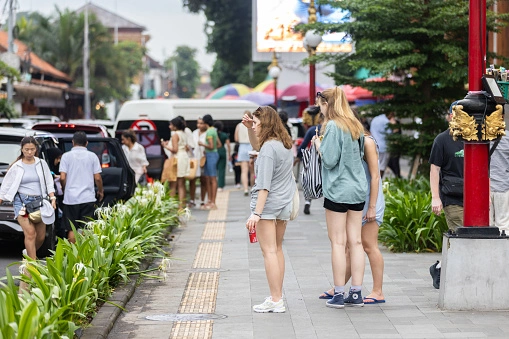
Weather alone does not determine the best time to visit Bali. Crowd levels and traffic patterns often have a bigger impact on daily experience than rainfall.
Peak Travel Periods in 2026
Certain periods consistently attract heavier crowds:
- July and August
- Christmas and New Year
- Major international and regional holidays
During these times, popular areas such as Seminyak, Canggu, Ubud, and Uluwatu experience heavier congestion. Travel times between destinations increase, and popular attractions become noticeably busier during mid day hours.
Visiting Bali during peak periods can still be enjoyable, but expectations need to be adjusted. Planning fewer daily activities and focusing on one region rather than moving frequently makes a significant difference.
Shoulder Seasons: Balance Between Weather and Crowds
For many experienced travelers, the shoulder months are often the most balanced time to visit Bali.
In 2026, these months include:
- April and May
- September and early October
During these periods, weather remains favorable, but crowd levels are lower than peak season. Roads are more manageable, accommodation options are wider, and popular attractions feel less rushed.
If flexibility allows, shoulder season travel often delivers the best balance between comfort, atmosphere, and overall experience.
Month by Month Perspective for Visiting Bali in 2026
While understanding Bali’s dry and rainy seasons provides a useful overview, the real travel experience often comes down to which month you choose. Each month in Bali carries its own rhythm, influenced by weather patterns, crowd behavior, and travel conditions on the ground.
Below is a complete month by month guide to help you understand how Bali feels throughout 2026.
1. January: Quiet, Humid, and Flexible
January sits in the heart of Bali’s rainy season. Expect higher humidity, occasional heavy showers, and lush green landscapes across the island.
Travel during this month feels noticeably calmer compared to peak periods. Roads are less congested, accommodation pricing is often more flexible, and popular attractions feel less rushed. Rain usually comes in short bursts rather than lasting all day, which means sightseeing remains possible with adaptable planning.
January suits travelers who prioritize a relaxed pace, wellness focused stays, and cultural exploration over tightly packed outdoor schedules.
If you are considering visiting Bali in January, this detailed guide on Bali in January 2026: What to Expect and How to Plan a Meaningful Trip will help you understand whether January truly fits your travel style.
2. February: Similar Weather, Fewer Visitors
February continues the wet season pattern, often with slightly fewer holiday driven visitors than January. The island feels quieter, particularly in central and northern regions.
This month works well for travelers who enjoy slower mornings, spa oriented itineraries, and exploring areas beyond the busiest coastal zones. While beach conditions may vary, waterfalls, rice terraces, and inland scenery are at their most vibrant.
For travelers comfortable with flexibility, February can feel unexpectedly rewarding.
3. March: Transition Begins
March marks a noticeable shift toward more stable conditions. Rainfall begins to decrease, humidity gradually drops, and outdoor activities become more comfortable.
Crowd levels remain manageable, making it a balanced month for sightseeing and exploration. Tour availability improves, and accommodation options remain wide without peak season pressure.
March often appeals to travelers looking for good value without compromising overall comfort.
4. April: Comfortable Weather and Balanced Crowds
April is widely considered one of Bali’s most comfortable months. Rainfall reduces significantly, temperatures stabilize, and the landscape stays green from the previous wet season.
Crowds begin to increase slightly but remain far from overwhelming. This makes April ideal for travelers seeking a smooth combination of beach time, cultural experiences, and nature based activities without peak season congestion.
5. May: One of the Sweet Spots
May delivers consistently pleasant weather with lower humidity and minimal rainfall. Visibility improves, supporting coastal activities and scenic exploration.
Visitor numbers remain moderate, keeping traffic manageable and attractions accessible. For many travelers, May offers one of the strongest overall balances between weather quality, crowd levels, and travel costs.
6. June: Dry Season Comfort Without Peak Pressure
June marks the start of Bali’s dry season. Days feel cooler, evenings are comfortable, and outdoor adventures become easier to plan.
While crowds increase compared to earlier months, the island has not yet reached its busiest period. June suits travelers who want dry season conditions without the intensity of peak holiday travel.
7. July: Peak Season Energy
July signals the beginning of Bali’s busiest travel period. Weather conditions are excellent, with clear skies and low humidity.
At the same time, traffic becomes heavier, accommodation prices rise, and popular attractions grow busier. Planning becomes more important, especially for families or travelers with limited time.
July suits travelers who prioritize weather above all else and enjoy a lively, energetic atmosphere.
8. August: Best Weather, Heaviest Crowds
August typically delivers the most reliable weather of the year. Dry days, cooler temperatures, and consistent sunshine dominate the month.
However, it is also the peak of peak season. Hotels fill quickly, roads become congested, and popular destinations experience heavy foot traffic. Advance planning is essential to maintain comfort and avoid frustration.
9. September: Dry Season Without the Rush
September is often considered one of the most enjoyable months to visit Bali. Weather remains dry and pleasant, but crowds begin to thin following August.
Prices start to normalize, traffic eases, and the island feels more relaxed while still offering excellent outdoor conditions. For experienced travelers, September strikes an ideal balance.
10. October: Calm, Warm, and Underrated
October maintains favorable weather with gradually increasing humidity. Crowd levels remain lower than peak months, creating a more relaxed travel experience.
It is a strong choice for travelers who want beach time, cultural exploration, and smoother logistics without sacrificing comfort. October often feels underrated despite its consistency.
11. November: Rain Returns Gradually
November signals the transition back toward the rainy season. Rainfall increases, but days often remain warm and travel is still very possible.
Crowds are noticeably lighter, which can improve the overall experience for travelers comfortable with occasional weather changes. November suits those who value space, flexibility, and a slower pace.
12. December: Festive but Busy
December begins relatively calm but becomes significantly busier toward the end of the month. Rainfall increases, and humidity rises.
The final weeks bring holiday crowds, higher prices, and heavier traffic. While the atmosphere turns festive and lively, careful planning is essential to avoid logistical challenges.
So, When Is the Best Time to Visit Bali in 2026?
There is no single answer that fits everyone.
- If you value comfort and balance, April, May, June, and September stand out.
- If you want perfect weather regardless of crowds, July and August deliver.
- If you prefer quiet travel and flexibility, January, February, and November may surprise you.
The best time to visit Bali in 2026 ultimately depends on how you want to experience the island, not just the calendar.
If you are still weighing whether Bali aligns with your expectations, this article: Is Bali Worth Visiting in 2026? Here’s the Honest Answer offers a clear and realistic perspective before you decide.
Matching the Best Time to Visit Bali With Your Travel Style
Choosing when to visit Bali in 2026 becomes much easier when you align timing with how you prefer to travel.
First Time Visitors

For first time visitors, months with stable weather and manageable crowds offer the smoothest introduction. April, May, September, and early October allow you to experience Bali’s highlights without excessive pressure from traffic or long queues.
Honeymoon and Relaxed Travel

Travelers seeking privacy, romance, and a slower rhythm often enjoy visiting during quieter months such as February, March, or November. Resorts and scenic areas feel more peaceful, and planning can remain flexible.
Experience Focused Travelers

If your trip centers on outdoor scenery, cultural experiences, and photography, the dry season offers clear skies and vibrant landscapes. Just be prepared to start days early and avoid peak hours in busy areas.
Choosing the Right Time With Confidence
The best time to visit Bali in 2026 is not defined by a single month, but by how well your travel timing matches your expectations and priorities.
Understanding seasonal weather, crowd behavior, and travel rhythm allows you to make informed decisions rather than relying on generic advice. With realistic planning and flexible expectations, Bali can feel rewarding in every season.
If you are considering your travel window and want guidance that reflects how Bali actually operates throughout the year, exploring curated travel options with Marina Bali Tours can help you plan with greater clarity and confidence, no matter when you choose to visit.





[…] You may also want to read this: Best Time to Visit Bali in 2026 Based on Weather, Crowds, and Travel Flow […]