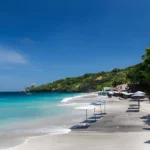
Nusa Penida is one of those places that instantly captures your imagination. Towering limestone cliffs, turquoise waters crashing against the shore, and wide open landscapes that feel untouched make the island feel worlds apart from mainland Bali. For many people, this is where Bali feels wild, dramatic, and unforgettable.
Beyond the iconic views, Nusa Penida offers a slower, more immersive way to experience the island. Each area has its own character, from rugged coastal scenery to quiet inland villages, creating a journey that feels raw and deeply scenic rather than polished or crowded.
So how do you plan a Nusa Penida trip that lets you enjoy its beauty fully, move at the right pace, and experience the island in a way that truly suits you? Here’s a complete Nusa Penida travel guide to help you understand the island and plan your visit with clarity and confidence.
Understanding Nusa Penida Before You Go

Nusa Penida is a small island located southeast of mainland Bali, separated by a short fast-boat ride from Sanur. Even before you explore it, you’ll notice the atmosphere feels different. This is not an extension of Bali’s resort areas, but a place shaped by cliffs, limestone hills, and wide open coastal landscapes.
What makes Nusa Penida stand out is how raw it feels compared to mainland Bali. Infrastructure is improving, but the island is still defined by its natural terrain rather than tourism convenience. That’s why travel here often involves:
- Narrow and winding roads between attractions
- Longer travel times than the map suggests
- Viewpoints and beaches that require physical effort to reach
This contrast is the reason Nusa Penida is often called a “hidden paradise.” The scenery feels dramatic and untouched, but that beauty comes with challenges. Understanding this early helps you enjoy the island for what it truly is, not what it looks like on social media.
Is Nusa Penida Worth Visiting for First-Time Travelers?
Nusa Penida can be worth visiting on your first trip to Bali, but only if it matches your travel style. If you enjoy nature-driven experiences and don’t mind a bit of adventure, the island can feel incredibly rewarding.
That said, it’s important to be realistic. Nusa Penida may not be ideal if you prefer slow sightseeing or minimal travel effort. First-time visitors should expect:
- Rougher road conditions in certain areas
- Limited facilities outside main spots
- Popular viewpoints that can feel crowded at peak times
When you approach Nusa Penida with the right expectations, it becomes a powerful contrast to mainland Bali. It’s not about comfort or ease, but about experiencing a more rugged, striking side of the island that leaves a lasting impression.
Best Time to Visit Nusa Penida
When talking about the best time to visit Nusa Penida, it’s less about specific months and more about how weather affects movement and visibility.
Dry Season vs Rainy Season in Nusa Penida
During the dry season, conditions are generally more forgiving for exploring the island’s dramatic viewpoints and beaches. Roads are drier, cliffs are safer to access, and the colors of the ocean tend to appear clearer and brighter.
In contrast, the rainy season doesn’t mean constant rain, but it does change how the island feels on the ground. You should expect:
- Slippery and muddy roads, especially on steep descents
- Reduced visibility at cliff viewpoints during cloudy hours
- Longer travel times between spots due to cautious driving
Nusa Penida remains beautiful year-round, but the dry season makes the experience smoother and less physically demanding, especially if it’s your first time visiting.
Crowd Levels and Daily Timing
Crowds in Nusa Penida are not evenly spread throughout the day. Most popular spots experience a sharp peak window rather than being busy all the time. This usually happens when fast boats arrive and group tours begin moving across the island simultaneously.
Starting early gives you a significant advantage. Visiting key viewpoints in the morning allows you to:
- Experience locations with fewer people around
- Enjoy softer light and clearer skies
- Move between attractions before traffic builds up
By late morning to early afternoon, popular sites can feel rushed and crowded. Planning your day with an early start often matters more than the season itself, especially if you want Nusa Penida to feel open, dramatic, and unspoiled rather than hectic.
Top Areas and Landscapes in Nusa Penida
Nusa Penida is often talked about as one destination, but once you’re actually there, you’ll feel how different each part of the island is. Landscapes change quickly, road conditions vary, and the atmosphere can shift from dramatic to deeply quiet within a short drive.
Understanding these areas helps you set realistic expectations and choose experiences that match how you want the trip to feel, not just what looks good in photo
West Nusa Penida: Kelingking Coast, Bunga Mekar, and the Rugged Cliff Belt
West Nusa Penida is centered around the Kelingking Bunga Mekar coastline, where limestone cliffs rise sharply from the Indian Ocean. This is the most visually dramatic part of the island, with landscapes that feel raw, exposed, and powerful rather than polished.
The core landscape stretches between Kelingking Beach, Paluang Cliff, Bunga Mekar village, and the coastal ridges leading toward Broken Beach and Angel’s Billabong. The terrain here is dry, open, and windswept. There is very little shade, and the ocean dominates everything you see.
Traveling through this area feels intense. Roads are narrow and uneven, especially once you leave the main junction near Toyapakeh and head deeper into Bunga Mekar. Distances look short on Google Maps but take time in real life.
What defines this western cliff zone:
- Vertical limestone cliffs with direct ocean drop-offs
- Viewpoints like Kelingking and Paluang Cliff that are visually iconic but physically demanding
- Strong winds and limited facilities between spots
- Heavier visitor flow between late morning and early afternoon
This part of Nusa Penida works best with early starts and focused routing. It delivers unforgettable scenery, but it is not built for slow wandering or relaxed exploration.
East Nusa Penida: Atuh Coast, Suwehan, and the Quieter Scenic Side
East Nusa Penida is shaped by a completely different coastline, running through Atuh Beach, Diamond Beach, Suwehan Beach, and the surrounding Pejukutan area. Here, cliffs are still impressive, but they open into curved bays, layered hills, and calmer visual rhythms.
The landscape feels more spacious and less aggressive. Roads are still winding, but traffic is lighter, and the atmosphere changes noticeably once you pass inland villages toward the east. Mornings here are especially quiet, with soft light and minimal crowd pressure.
This side of the island suits travelers who stay overnight, particularly in Pejukutan or nearby hill areas, where accommodations overlook the coastline rather than sit directly on busy access roads.
East Nusa Penida is characterized by:
- Curved beaches like Atuh and Suwehan rather than straight cliff drops
- Softer hills and layered coastal views
- Fewer visitors outside peak hours
- A pace that encourages lingering, not rushing
If you want scenic landscapes without constant movement, the east offers a more balanced and emotionally calm experience of Nusa Penida.
Central Villages and Local Life: Sakti, Tanglad, and the Island’s Inner Spine
Central Nusa Penida is not about viewpoints. It is about connection and context. This area includes villages such as Sakti, Tanglad, Klumpu, and Ped, which form the island’s inland spine linking west and east.
Here, the landscape shifts into gentle hills, farmland, temples, and residential clusters. You pass roadside warungs, small shops, school routes, and ceremonial spaces that show how the island functions beyond tourism.
Traveling through central villages explains why Nusa Penida feels slower than expected. Roads connect everything, but they wind through daily life, not around it.
What you experience in central Nusa Penida:
- Local villages like Sakti and Tanglad with active daily routines
- Temples and community spaces rarely mentioned in travel guides
- Inland roads that reveal the true scale of the island
- A grounded contrast to the dramatic coastal cliffs
Including central Nusa Penida in your journey adds depth. It turns the trip from a route-based itinerary into a lived island experience, where dramatic landscapes are anchored by real human life.
Getting Around Nusa Penida: What You Should Know
Moving around Nusa Penida is not just about distance. It is about terrain, road surface, elevation changes, and time perception. Many guides oversimplify this part, but your experience on the island is shaped more by transportation than by how many places you list in your itinerary.
Understanding this early helps you plan days that feel intentional instead of exhausting.
Road Conditions and Travel Time Reality
On Nusa Penida, short distances do not mean short travel times. Roads connect all sides of the island, but many sections remain narrow, steep, and uneven, especially once you leave the main coastal routes near Toyapakeh and Ped.
You will often move slower than expected, not because of traffic, but because the road demands attention. Sharp turns, elevation drops, loose gravel, and sudden potholes are common, particularly on routes linking west, east, and central villages.
What this means in real terms:
- 10–15 km can take 45 to 60 minutes, sometimes longer
- Google Maps estimates are usually optimistic
- Driving requires constant focus, especially on downhill sections
- Travel feels physically tiring even on “short” days
This is why Nusa Penida rewards fewer locations per day. When you accept the island’s pace, your trip feels grounded rather than rushed.
Scooter vs Car with Driver: Safety, Comfort, and Who Each Is For
Choosing how you move around Nusa Penida is one of the most important decisions you will make. There is no universal best option, only what fits your travel profile.
Scooter gives flexibility and independence, but it comes with responsibility. It suits travelers who are already confident riding scooters on uneven roads and are comfortable navigating unpredictable terrain.
Scooters are generally suitable if you:
- Have prior experience riding in Southeast Asia
- Travel light and move early in the day
- Plan short, focused routes rather than full island loops
Car with driver offers stability, safety, and mental space. You are free to observe the landscape instead of managing it. This option works best for couples, families, or anyone prioritizing comfort and energy conservation.
Car with driver is ideal if you:
- Want to cover multiple regions in one day
- Travel as a couple or small group
- Prefer conversation, context, and local insight while driving
On Nusa Penida, comfort is not a luxury. It directly affects how much you enjoy the island.
Where to Stay in Nusa Penida
In Nusa Penida, choosing where to stay is less about luxury level and more about positioning yourself correctly on the island. The wrong base can turn simple sightseeing into long, exhausting drives. The right one makes the island feel balanced and surprisingly calm.
Below are the most practical and commonly used stay areas, each with a clear purpose depending on how you want to experience Nusa Penida.
1. Toyapakeh & Ped Area (Best Base for First-Time Visitors)
Toyapakeh and Ped are the most strategic areas to stay if this is your first visit to Nusa Penida. This zone sits close to the main harbor, has the best road access, and connects relatively evenly to west, east, and central parts of the island.
This area works well because:
- Travel time to Kelingking, Broken Beach, and Crystal Bay is manageable
- Roads are wider and smoother compared to other regions
- Restaurants, minimarkets, and dive centers are concentrated here
- Evenings feel alive but not chaotic
If you want a balanced introduction to Nusa Penida without committing to extreme early starts every day, this is the safest and most flexible choice.
2. Sampalan Area (Harbor Convenience and East Access)
Sampalan is another practical base, especially if you plan to explore East Nusa Penida or arrive late in the day. It is one of the main arrival points from Bali and has good access to local services.
Sampalan is suitable if you:
- Want quick access to Atuh Beach, Diamond Beach, and Thousand Islands Viewpoint
- Prefer staying near the harbor area
- Plan shorter, directional day trips instead of full island loops
The trade-off is that drives to west Nusa Penida cliffs will be longer. Sampalan works best when your itinerary leans east-heavy.
3. East Nusa Penida Hills (Atuh Peukan, Pejukutan Area)
If you are staying overnight and want a quiet, scenic rhythm, the hills around Atuh Peukan and Pejukutan offer a very different experience. Mornings here are slower, quieter, and visually striking.
This area is ideal for:
- Travelers who want to explore east coast viewpoints at sunrise
- Couples who value calm evenings and fewer crowds
- Trips that include at least one full overnight stay
Road access here is steeper and narrower, so this area is not ideal for rushed schedules. It shines when you let the island dictate the pace.
4. Near Crystal Bay
Staying near Crystal Bay puts you close to sunset views and some of the island’s most dramatic coastal scenery. This area feels more remote and is best suited for travelers who prioritize west coast landscapes.
Good fit if you:
- Focus on Kelingking, Broken Beach, and Angel’s Billabong
- Don’t mind longer drives to the east
- Prefer dramatic scenery over convenience
This is not the most central base, but it can be rewarding if your itinerary is clearly west-oriented.
5. Central Villages
Central areas such as Tanglad or Klumpu are rarely chosen by first-time visitors, but they offer insight into daily life on Nusa Penida. These villages are practical only if you already understand the island’s movement patterns.
They make sense if you:
- Prioritize cultural context over coastal views
- Are comfortable with longer daily drives
- Stay multiple nights and move slowly
For most visitors, coastal or harbor-adjacent areas remain more practical.
How Many Days You Actually Need in Nusa Penida
One of the easiest mistakes to make when planning Nusa Penida is thinking that short distances mean quick travel. On the map, everything looks close. On the ground, road conditions and terrain change how the island feels entirely. How long you stay will directly affect whether Nusa Penida feels rushed or rewarding for you.
If you only have 1 day, be prepared for a fast-moving experience that focuses on highlights rather than depth. This option can work if your schedule is tight, but you need to go in with clear expectations:
- You will start very early and return late
- Most of the day is spent moving between locations
- There is little space to slow down or fully enjoy each stop
A 2 days 1 night stay is where Nusa Penida starts to feel comfortable and enjoyable. With one overnight, the island gives you room to breathe. This setup allows you to:
- Split west and east areas without feeling rushed
- Reduce long, tiring drives in a single day
- Enjoy quieter mornings and better light at scenic viewpoints
If you stay 3 days or more, Nusa Penida changes its character completely. The pressure to “see everything” disappears, and the island begins to feel calmer and more immersive. With this pace, you can:
- Go beyond just iconic viewpoints
- Adjust plans naturally without watching the clock
- Spend time in local villages and coastal areas at ease
Simply put, Nusa Penida rewards you the moment you stop rushing. The more time you give it, the more balanced and meaningful the experience becomes.
Experience Nusa Penida the Right Way with Marina Bali Tours
Nusa Penida is stunning, but it is also demanding. Ferry schedules, uneven roads, long travel times, and area planning all play a much bigger role here than most travel guides admit. When these details are not handled well, the island can feel chaotic instead of magical.
This is where Marina Bali Tours becomes part of the experience, not just a service provider.
We design Nusa Penida journeys that are built around real conditions on the island, not idealized maps. Every route, stop, and overnight plan is structured to help you experience the landscapes comfortably and meaningfully.
With Marina Bali Tours, your Nusa Penida trip is designed to:
- Follow realistic travel routes to minimize time on rough roads
- Balance iconic viewpoints with quieter scenic areas
- Include proper pacing so you enjoy the island, not just endure it
- Feel smooth and connected from Bali mainland to Nusa Penida and back
Instead of figuring everything out on the go, you arrive knowing that the flow already works.
👉 Explore the Nusa Penida tour experience with Marina Bali Tours here:
Let us help you experience Nusa Penida the way it is meant to be seen beautiful, balanced, and genuinely memorable.