Bali is known around the world for its beach clubs, cliffside sunsets, and lively café culture in places like Canggu, Seminyak, Uluwatu, and central Ubud. These areas are vibrant and exciting, but they represent only one side of the island.
Beyond the well known hubs, there are still regions where rice fields stretch without interruption, village temples remain the heart of daily life, and the pace of the day is shaped more by sunrise and ceremony than by traffic.
A non touristy place in Bali does not mean an empty destination. It means fewer large resorts, fewer party scenes, and more authentic local rhythm. You notice small family run guesthouses instead of branded hotels, local warungs filled with residents rather than tour groups, and quiet roads where farming and fishing still define everyday life.
That slower, more grounded version of Bali still exists and here are the areas where you can still experience that side of Bali.
1. Sidemen Valley – East Bali’s Quiet Rice Field Escape
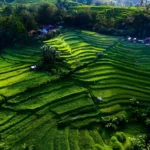
If you imagine Bali before the boutique cafés and yoga studios became mainstream, Sidemen is probably what you are picturing. Located in East Bali about one hour from Ubud, this valley is surrounded by rice terraces with Mount Agung rising in the background.
The atmosphere is noticeably calm, especially in the early morning when farmers begin their work and mist still hangs over the fields.
Unlike central Ubud, Sidemen has very little nightlife and no large commercial strips. Tourism exists, but it blends into village life rather than dominating it.
What makes Sidemen feel non touristy:
- Most accommodations are small guesthouses or eco lodges
- You will see more local ceremonies than tour buses
- Walking paths connect rice fields and traditional homes
- Evenings are quiet, with minimal traffic and artificial light
Sidemen is ideal if you want slow mornings, scenic walks, and a deeper look at rural Balinese life without giving up comfort.
2. Munduk – Cool Highlands and Hidden Waterfalls in North Bali
In the mountains of North Bali, Munduk offers a completely different atmosphere from the southern beaches. The air is cooler, the landscape is greener, and the roads wind through clove and coffee plantations. This region has long been known among experienced travelers, but it has never developed into a mass tourism center.
The appeal of Munduk lies in its simplicity. You come here for nature, not nightlife.
Why Munduk remains one of the more peaceful bali non touristy places:
- Waterfall trekking routes that rarely feel crowded
- Small homestays with mountain views
- No beach club culture or party scene
- Local farmers still dominate the economy
If you prefer misty mornings, forest trails, and panoramic lake views, Munduk offers a quieter and more reflective Bali experience.
3. Amed – Laid Back Coastal Life on the East Coast
Amed stretches along the northeast coastline, made up of small fishing villages rather than one centralized town. It does attract divers and snorkelers, but it still feels far removed from the fast paced beach scenes of the south.
Instead of loud beach clubs, you will find wooden boats lined along black sand shores and quiet cafés overlooking Mount Agung.
What keeps Amed relatively low key:
- Tourism is spread out along the coast, not concentrated
- Many families still work in fishing and salt farming
- Accommodation tends to be boutique scale, not mega resorts
- Sunrises are peaceful and rarely crowded
Amed suits travelers who want ocean access without the party atmosphere, and who appreciate a more local rhythm of life.
4. Pemuteran – Remote Northwest Bali with Conservation Focus
On the northwest coast of Bali, far from the airport and the main tourist corridors, Pemuteran feels almost disconnected from mainstream tourism. The long drive naturally filters out day trippers, which helps preserve its peaceful atmosphere.
This coastal village is known for its coral restoration initiatives and calm waters, making it popular among divers who prefer quiet destinations.
Reasons Pemuteran feels untouched compared to southern Bali:
- Minimal large scale development
- Strong focus on marine conservation
- Limited nightlife and entertainment venues
- Close proximity to West Bali’s protected areas
If you are looking for slow sunsets, gentle snorkeling, and a community oriented atmosphere, Pemuteran delivers a very different side of the island.
5. West Bali National Park Area – The Wildest Side of the Island
At the far northwest corner of the island, the landscape changes dramatically. The West Bali National Park area feels raw, expansive, and largely untouched compared to the south. Dense forest, quiet coastal stretches, and protected marine zones define this region. You will not find rows of beach clubs or traffic packed streets here. What you will find is space, silence, and nature that still feels dominant.
This is one of the least developed regions in Bali, partly because it is a protected conservation area. Access takes time, and that distance naturally keeps mass tourism away.
Why this area feels genuinely off the mainstream path:
- Large sections are protected forest reserve
- Limited hotel development due to conservation rules
- Wildlife such as deer and rare bird species still roam freely
- Menjangan Island offers calm snorkeling without heavy boat traffic
This region is ideal if you value nature immersion over convenience, and if you do not mind longer travel time in exchange for a more untouched environment.
6. Les Village – A Quiet Fishing Community in North East Bali
Les Village sits quietly along Bali’s north east coast, and many travelers drive past it without even realizing it is there. That anonymity is exactly what keeps it peaceful. Life here still revolves around fishing, small scale farming, and close knit community traditions.
The coastline is lined with black sand beaches, and the sea is often calm in the morning. Tourism exists in a very light form, mostly small guesthouses and dive operators rather than large scale resorts.
What keeps Les low profile and non commercial:
- Very few large accommodations
- No nightlife or party infrastructure
- Daily fishing activity still central to village life
- Minimal online exposure compared to bigger destinations
Les is best suited for travelers who prefer authenticity over aesthetics, and who appreciate destinations that feel lived in rather than curated.
7. Belimbing Village – Rural Bali Near Mount Batukaru
Located in the Tabanan region near Mount Batukaru, Belimbing Village offers expansive rice fields without the heavy foot traffic found in more famous terrace areas. The scenery is dramatic, but the atmosphere remains grounded and local.
Unlike popular viewpoints that attract day tours, Belimbing feels like a working agricultural community first and a visitor destination second. Roads are quiet, and you are more likely to encounter farmers tending crops than groups posing for photos.
What makes Belimbing one of the quieter bali non touristy places:
- No major tour bus routes
- Traditional farming still defines the landscape
- Limited commercial development
- Wide open countryside views without structured viewing platforms
If you are looking for rice field landscapes without the structured tourism setup, Belimbing offers a more organic experience.
8. Tejakula – Slow Coastal Living Beyond Amed
Tejakula lies further west from Amed along the north coast, and it feels even quieter. While Amed has gained recognition among divers, Tejakula remains under the radar. The coastline stretches calmly, with traditional fishing boats pulled onto the shore and very little commercial noise.
The sea conditions are generally gentle, making it suitable for relaxed snorkeling and diving. But what stands out most is the sense of stillness. Even during peak travel months, this area rarely feels crowded.
Why Tejakula maintains its peaceful character:
- Tourism infrastructure remains minimal
- Strong village identity and daily routines
- Fewer dive crowds compared to more established spots
- No large scale entertainment venues
Tejakula is ideal if you want coastal access combined with privacy and a slower rhythm that feels far removed from Bali’s busier south.
9. Bangli Countryside – Beyond the Usual Kintamani Stop
Most travelers associate Bangli with the Kintamani viewpoint overlooking Mount Batur. They stop for the view, take photos, maybe have lunch, and then continue elsewhere. But beyond that main stop, the wider Bangli countryside remains largely overlooked.
Small villages, quiet rural roads, and traditional markets define this area. Tourism touches it lightly, but it has not reshaped daily life. You can still see community temples actively used, farmers working the land, and local markets operating without performance for visitors.
What keeps Bangli countryside relatively quiet:
- Most tours focus only on the main volcano viewpoint
- Few dedicated tourist accommodations in village centers
- Traditional markets serve locals more than visitors
- Limited commercial entertainment infrastructure
Bangli suits travelers who enjoy exploring without a fixed itinerary and who want to see how everyday life continues outside curated attractions.
10. Tenganan Village – Preserved Bali Aga Culture
Tenganan Village in East Bali is one of the few remaining Bali Aga communities, meaning it preserves traditions that predate many later cultural influences. The architecture, village layout, and ceremonial practices feel distinct from most other parts of the island.
Visitors are welcomed, but the atmosphere is structured and respectful rather than commercial. You walk through traditional compounds, see locally woven geringsing textiles, and observe a community that still maintains strong internal customs.
Why Tenganan feels culturally grounded rather than tourist driven:
- Traditional village layout preserved
- Cultural practices remain community led
- Limited large scale development
- Focus on heritage rather than entertainment
Tenganan is ideal if you are interested in cultural depth and want to understand a different layer of Balinese identity beyond beach culture.
11. Outer Jatiluwih Areas – Quiet Paths Beyond the Main Entrance
Jatiluwih is well known for its UNESCO listed rice terraces, and the main entrance can see a steady flow of visitors. However, the outer walking paths that extend beyond the central viewpoint remain far quieter.
Once you move away from the structured ticket area, the landscape opens into long stretches of terraces where you can walk for extended periods with minimal interaction. The farming system here is still active, and you are walking through a working agricultural environment, not just a scenic backdrop.
Why the outer areas feel more peaceful:
- Fewer organized tour stops
- Long walking trails that spread visitors out
- Active farming continues year round
- Wide open landscapes without built viewing platforms
If you want rice terrace scenery without the concentrated crowding, exploring deeper into Jatiluwih makes a noticeable difference.
12. Nyang Nyang Beach – Secluded Sands Below the Cliffs
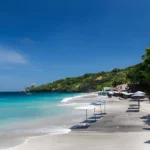
Located in the southern peninsula near Uluwatu, Nyang Nyang Beach feels surprisingly remote given its proximity to more developed areas. The key reason is access. Reaching the beach requires a steep walk down a cliffside path, which naturally limits visitor numbers.
At the bottom, you find a long stretch of sand framed by dramatic cliffs. There are no rows of cafés or structured beach facilities. Just open shoreline and the sound of waves.
What keeps Nyang Nyang relatively uncrowded:
- Steep access path discourages casual visitors
- No major commercial beach infrastructure
- Limited nearby accommodation directly on the sand
- Large beach area that spreads visitors out
It is best suited for those who do not mind a bit of effort in exchange for space and dramatic scenery.
So, Is It Still Possible to Experience Quiet Bali?
Yes, but it requires intention.
Bali’s popularity is undeniable, and certain areas will always be lively and energetic. However, as you have seen, there are still regions across the north, east, northwest, and rural interior where tourism remains lighter and daily life continues in a more traditional rhythm.
Exploring these bali non touristy places often means longer drives and thoughtful route planning, especially if you want to combine remote villages, quiet coastlines, and mountain areas in one seamless journey.
Local knowledge makes a significant difference, not only in choosing the right destinations, but in understanding the best time of day to visit and how to move comfortably between them.
At Marina Bali Tours, the focus is not only on taking you to popular landmarks, but also on helping you experience Bali beyond the obvious stops.
With private tours designed around comfort, flexibility, and genuine local insight, you can explore quieter regions of the island without the stress of logistics.
If your idea of Bali includes peaceful mornings, open landscapes, and destinations that feel less curated, planning your journey with the right local team can completely reshape how you experience the island.
FAQs About Bali Non Touristy Places
What are the most non touristy places in Bali?
The most non touristy places in Bali are typically found in the north, east, and rural inland areas, including Sidemen, Munduk, Pemuteran, West Bali National Park, and Tejakula. These regions have fewer large resorts, minimal nightlife, and a stronger presence of local daily life compared to southern Bali.
Is Bali still worth visiting if you want to avoid crowds?
Yes, Bali is still worth visiting if you want to avoid crowds, but you need to stay outside major hubs like Canggu, Seminyak, and central Ubud. Northern and eastern regions offer quieter landscapes, traditional villages, and less commercial development, especially during early mornings and weekdays.
Which part of Bali is the least crowded?
Northwest and northeastern Bali are generally the least crowded parts of the island. Areas such as Pemuteran, Tejakula, and the surroundings of West Bali National Park receive significantly fewer visitors due to their distance from the airport and main tourist centers.
Are there quiet beaches in Bali?
Yes, there are quiet beaches in Bali, especially along the north and east coasts. Beaches in Amed, Tejakula, Pemuteran, and Nyang Nyang tend to be less crowded because they are either spread out geographically or require more effort to access.
How can you explore non touristy places in Bali comfortably?
The most comfortable way to explore non touristy places in Bali is with a private driver or curated tour. Many of these areas are spread across long distances with limited public transport, so having local guidance helps you travel efficiently and avoid unnecessary backtracking.
What is the best time to visit quiet areas in Bali?
The best time to visit quieter areas in Bali is during the dry season from April to October, especially early in the morning. Visiting outside peak holiday periods and avoiding weekends can further reduce the chance of encountering crowds.
For more inspiration, practical travel tips, and destination insights, you can also explore our complete Bali travel guide to help you plan your journey with confidence.
- Things to Know Before Visiting Bali in 2026: A Smart Travel Guide
- Best Time to Visit Bali in 2026 Based on Weather, Crowds, and Travel Flow
- Hidden Gems in Bali: 14 Secret Places You Shouldn’t Miss
- Bali 2026 Travel Guide: Everything You Need to Know Before You Go
- Top Tourist Attractions in Bali: Must Visit Places You Shouldn’t Miss (2026)