Bali’s peak season is popular for good reason. The weather is typically sunny, rainfall is lower, ocean conditions are often at their best, and many outdoor experiences, from beach days and island trips to sunset dinners and sightseeing, are easier to enjoy.
It’s also the time of year when the island feels especially vibrant, with visitors arriving from around the world to experience Bali at its most lively.
At the same time, peak season brings larger crowds, busier roads, and increased demand for accommodation and activities. The good news is that a busy season doesn’t automatically mean a stressful trip.
With realistic expectations and a few smart planning decisions, peak season can actually be one of the best times to visit Bali. Here’s how to enjoy the island more comfortably during its busiest travel months.
When Is Peak Season in Bali?
Bali experiences several busy travel periods throughout the year, but the most significant peak season generally occurs during July and August. These months coincide with international school holidays and Bali’s dry season, making them especially popular among overseas visitors.
Another busy period takes place between December and January, when year-end holidays bring increased visitor numbers across many parts of the island.
Among these peak travel periods, July and August are often considered the busiest months for international tourism, thanks to their combination of sunny weather, comfortable temperatures, and excellent conditions for beaches, sightseeing, and outdoor activities.
You may also want to read this guides:
Tips for Traveling During Peak Season in Bali
The key to enjoying Bali during peak season isn’t avoiding crowds completely—it’s knowing how to plan around them. A few simple decisions can make a significant difference to how much you see, how comfortable your days feel, and how much time you spend enjoying Bali instead of sitting in traffic.
1. Book Accommodation Early
Accommodation availability can change quickly during Bali’s busiest months, particularly in popular areas such as Ubud, Uluwatu, Seminyak, and Nusa Dua. Hotels, villas, and resorts with strong reviews are often booked weeks or even months in advance.
Booking early not only gives you more choices but also helps you secure locations that fit your itinerary instead of settling for whatever remains available closer to your travel dates.
2. Start Your Days Earlier
This is one of the simplest yet most effective peak-season strategies. Many of Bali’s most popular attractions are significantly quieter in the early morning.
Places such as Tegallalang Rice Terrace, Lempuyang Temple, and Uluwatu are often more enjoyable before the larger crowds arrive. Early starts can also mean cooler temperatures, better lighting for photography, and a more relaxed experience overall.
3. Avoid Trying to Visit Too Many Places in One Day
One of the most common mistakes during peak season is creating an itinerary that looks realistic on a map but doesn’t account for actual travel times.
Instead of trying to visit five or six major attractions in a single day, focus on a smaller number of destinations within the same region. A slower pace usually leads to a much more enjoyable experience than rushing from place to place.
4. Stay in Areas That Match Your Itinerary
Where you stay matters more during peak season because travel times can increase throughout the day.
For example, if most of your plans involve Ubud’s rice terraces, temples, and nature attractions, staying in Ubud often makes more sense than commuting from South Bali every day. The same principle applies to areas such as Uluwatu, Nusa Dua, or East Bali.
A well-chosen base can save hours of travel over the course of your trip.
5. Reserve Popular Activities in Advance
Some of Bali’s most popular experiences become much harder to book during peak season, especially on short notice.
This can include Nusa Penida day trips, snorkeling excursions, sunset dining experiences, spa appointments, and certain guided activities. Making reservations in advance helps avoid disappointment and gives you more flexibility when organizing the rest of your itinerary.
6. Expect Traffic Around Popular Areas
Traffic is simply part of Bali during busy travel periods, particularly around destinations that attract large numbers of visitors.
Areas such as Seminyak, Canggu, Uluwatu, and Ubud can experience heavier traffic during peak hours, especially in the late afternoon and early evening. Building realistic travel times into your plans can help reduce stress and prevent unnecessary rushing.
7. Visit Attractions During Off-Peak Hours
Not every attraction needs to be visited in the middle of the day.
Early mornings often provide quieter conditions at popular landmarks, while late afternoons can be ideal for scenic viewpoints, beach visits, and sunset locations. When possible, weekdays can also be less busy than weekends for certain attractions.
Small timing adjustments often make a surprisingly large difference during peak season.
8. Leave Space for Flexible Plans
A great Bali itinerary should have structure, but it shouldn’t be packed so tightly that every hour is accounted for.
Traffic conditions, weather changes, unexpected discoveries, and simple energy levels can all influence your day. Leaving a little flexibility in your schedule allows you to adapt without feeling like you’re constantly behind.
Some of the best moments in Bali happen when you have enough time to slow down, stay longer somewhere you love, or make spontaneous decisions along the way.
Areas That Work Well During Bali’s Peak Season
Choosing the right area can have a major impact on your overall experience during Bali’s busiest travel months. While crowds are unavoidable in some locations, certain regions tend to offer a more comfortable balance between accessibility, attractions, and atmosphere.
1. Ubud
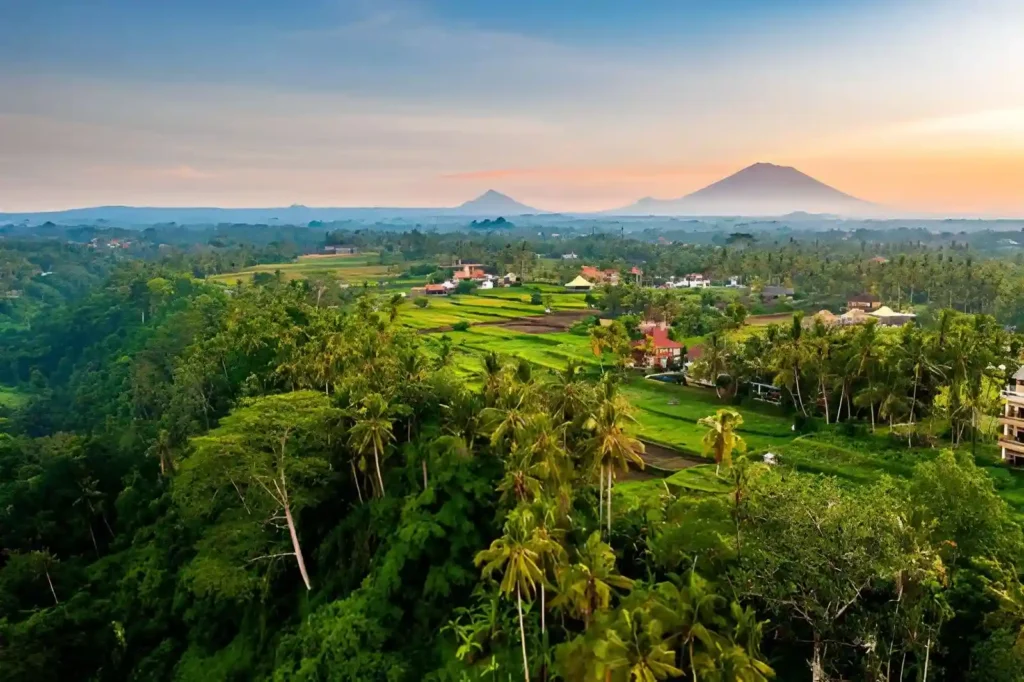
Ubud remains one of the most practical places to stay during peak season, especially if you’re planning a longer visit. The area offers a wide variety of attractions, restaurants, cultural sites, wellness experiences, and scenic landscapes, making it easy to fill several days without spending excessive time on the road.
Because many attractions are located within or near the Ubud region, it can also reduce the need for long daily transfers.
2. Nusa Dua

If you value convenience, comfort, and a more organized environment, Nusa Dua is often one of the easiest areas to navigate during peak season.
The area is known for its resort infrastructure, well-maintained surroundings, and relaxed atmosphere. It’s particularly popular with couples, families, and visitors looking to combine sightseeing with downtime by the beach.
3. Uluwatu

Despite its popularity, Uluwatu often feels less congested than some other parts of South Bali because attractions are spread across a larger area.
You can spend several days exploring beaches, cliff viewpoints, cultural attractions, cafés, and sunset locations without feeling confined to a single crowded zone. This makes Uluwatu one of the most rewarding regions to include in a peak-season itinerary.
4. Sidemen

If you’re looking for a quieter alternative during Bali’s busiest months, Sidemen is one of the best options on the island.
Surrounded by rice terraces, rolling hills, and views of Mount Agung, the area offers a slower pace and a more relaxed atmosphere compared to Bali’s major tourism hubs. It’s particularly appealing if you enjoy nature, scenic landscapes, and a more peaceful side of Bali.
Explore Bali More Comfortably During Peak Season With Marina Bali Tours
Peak season in Bali isn’t necessarily difficult, it simply requires a little more planning.
Once you’ve chosen where to stay, which areas to explore, and how much time you have available, the next step is creating an itinerary that works realistically with Bali’s traffic patterns, travel distances, and seasonal demand.
With Marina Bali Tours, you can enjoy a smoother travel experience through:
- Bali Tours Packages tailored to different travel styles
- Private transport for flexible and comfortable sightseeing
- Local recommendations based on current conditions and travel priorities
- Personalized itinerary planning
- Airport transfer services for a more convenient arrival and departure experience
Whether you’re exploring Ubud’s rice terraces, chasing sunsets in Uluwatu, discovering East Bali, or planning a Nusa Penida day trip, a well-organized route can help you spend more time enjoying Bali and less time worrying about logistics.
For more Bali travel planning tips, destination guides, itineraries, and seasonal travel advice, continue exploring our related Bali travel articles below.
FAQ – Tips for Traveling During Peak Season in Bali
Is Bali too crowded in July and August?
July and August are among Bali’s busiest months, particularly in popular destinations such as Ubud, Seminyak, Canggu, and Uluwatu. However, with early planning and realistic itineraries, many visitors still find this to be one of the best times to visit.
What is the busiest month in Bali?
July and August are generally considered the busiest months for international tourism due to school holidays and favorable dry-season weather. December and early January are also very busy because of holiday travel.
Is Bali worth visiting during peak season?
Yes. Peak season offers some of Bali’s best weather conditions, making it an excellent time for sightseeing, beaches, snorkeling, island trips, and outdoor activities. The key is planning ahead and allowing extra time for travel.
How far in advance should I book Bali accommodation?
For peak-season travel, booking accommodation several weeks or months in advance is recommended, particularly if you’re staying in highly sought-after areas such as Ubud, Uluwatu, Seminyak, or Nusa Dua.
What time should I visit popular attractions?
Early mornings are often the best time to visit popular attractions because temperatures are cooler and crowds are generally smaller. Late afternoons can also work well for beaches, viewpoints, and sunset destinations.
Is private transport worth it during peak season?
Many visitors find private transport helpful during peak season because it provides greater flexibility, reduces navigation stress, and allows for more efficient route planning between attractions.