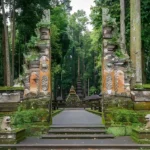
Ubud is widely known as the spiritual heart of Bali, where daily life is closely connected with temples, rituals, nature, and traditional beliefs. Unlike coastal areas focused on beaches and nightlife, Ubud feels slower and more grounded, with a stronger sense of cultural and spiritual presence in everyday surroundings.
Many of the most meaningful experiences here are not just about sightseeing, but about how you feel in each place, whether it’s a temple ceremony, a quiet rice field walk, or a natural water site used for purification. Here are the most spiritual places in Ubud worth exploring for a deeper side of Bali.
Quick Overview of Ubud Spiritual Places
Spiritual places in Ubud are spread across temples, natural healing sites, rice fields, and traditional villages, each offering a different way to experience Bali’s cultural and spiritual side.
Here’s a quick overview of what you’ll find:
- Temple experiences: sacred sites used for prayer and ceremonies (like Tirta Empul)
- Nature-based spirituality: rice terraces, rivers, and jungle landscapes (like Tegalalang Rice Terrace)
- Healing & purification spots: water temples and cleansing rituals
- Cultural villages: places where traditional Balinese life is still actively practiced
- Best time to visit: early morning for calmer atmosphere and lighter crowds
Because these locations are spread around the Ubud area, planning your route can help you experience them in a more relaxed and meaningful way.
Why Ubud Is Considered the Spiritual Heart of Bali
Ubud has long been recognized as Bali’s spiritual center because of its deep connection between nature, culture, and daily religious life. Temples are not just historical sites here—they are active places of worship that are still used regularly by local communities.
Here’s what makes Ubud feel spiritually unique:
- Strong cultural and religious foundation
Daily offerings, ceremonies, and temple activities are part of everyday life, not just occasional events. - Nature integrated with spiritual beliefs
Places like Tegalalang Rice Terrace reflect the traditional philosophy that connects agriculture, land, and spirituality. - River, jungle, and valley energy
The natural landscape around Ubud creates a calm environment that many people associate with reflection and mindfulness.
Because of this balance between culture and nature, Ubud offers a different kind of travel experience, one that feels more personal, quiet, and meaningful compared to other parts of Bali.
Spiritual Places in Ubud You Should Visit
Here are some of the most meaningful spiritual places in Ubud where culture, nature, and daily Balinese beliefs come together in a very real and lived way. These are not just sightseeing stops, but places where spiritual activity is still actively practiced.
Each location offers a slightly different experience, some are used for rituals, some are historical, and others are more about personal reflection within nature.
1. Tirta Empul

Tirta Empul is one of the most important purification temples in Bali, known for its sacred spring water ritual. This is not just a visual landmark, it is a living spiritual site where both locals and visitors take part in cleansing ceremonies.
The experience here is structured, calm, and deeply cultural. You’ll move through a series of water fountains, each believed to have different spiritual meanings, while the temple remains active with daily offerings and prayer activities.
- Sacred spring water used for purification rituals
- Multiple cleansing fountains in a guided sequence
- Active temple atmosphere with ongoing ceremonies
- Traditional Balinese dress required inside temple area
2. Goa Gajah

Goa Gajah is an ancient spiritual site that combines Hindu and Buddhist heritage. The entrance itself is carved into stone, leading into a small meditation cave that feels quiet and enclosed compared to open temple spaces.
Around the cave, you’ll also find old bathing pools and jungle surroundings that create a strong sense of history and calmness. It’s more about reflection and atmosphere rather than active rituals.
- 9th-century archaeological temple site
- Meditation cave carved into stone cliff
- Historical bathing pools nearby
- Quiet jungle surroundings for slow exploration
3. Campuhan Ridge Walk

Campuhan Ridge Walk is not a temple, but a natural ridge walk that is often associated with mental clarity and slow, mindful movement. The path sits between two river valleys, making it one of the most peaceful walking routes in Ubud.
Early morning is when the atmosphere feels most balanced, with soft light and light breeze across the hills. Many people come here simply to walk, breathe, and disconnect from busier parts of Ubud.
- Open ridge trail between two river valleys
- Best experienced during early morning hours
- No vehicles, only walking path access
- Ideal for light reflection and slow movement
4. Tegalalang Rice Terrace

Tegalalang Rice Terrace is one of the most iconic rice landscapes in Bali, shaped by generations of traditional farming systems. Beyond its visual beauty, it reflects the Balinese philosophy of harmony between people, nature, and spirituality.
Walking through the terraces, you’ll notice how farming activity is still ongoing, with layered green fields changing depending on season and water flow. It’s a living cultural landscape rather than a static viewpoint.
- Traditional Subak irrigation system still active
- Layered rice fields shaped by local farming culture
- Seasonal changes in color and texture of landscape
- Walking paths between active agricultural zones
5. Pura Gunung Kawi
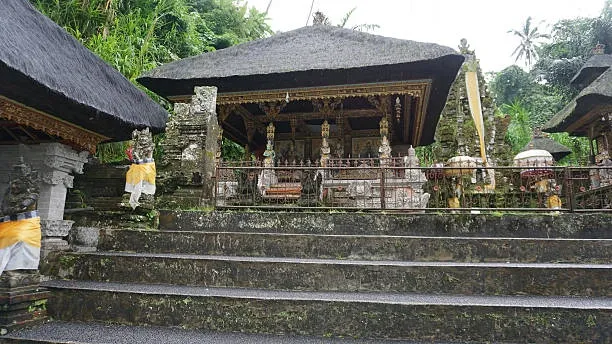
Pura Gunung Kawi is a cliffside temple complex carved into stone walls along a river valley. The journey to reach it involves descending a long staircase surrounded by tropical greenery, which already feels like part of the experience.
Once you arrive, the scale of the carvings and the natural setting create a very immersive atmosphere. It’s less crowded compared to central Ubud temples, making it more suitable for slower, quieter visits.
- Ancient royal memorial carved into cliff walls
- River valley surrounded by dense tropical forest
- Long stone staircase descent to temple area
- Quieter spiritual atmosphere compared to main sites
6. Taman Saraswati Temple
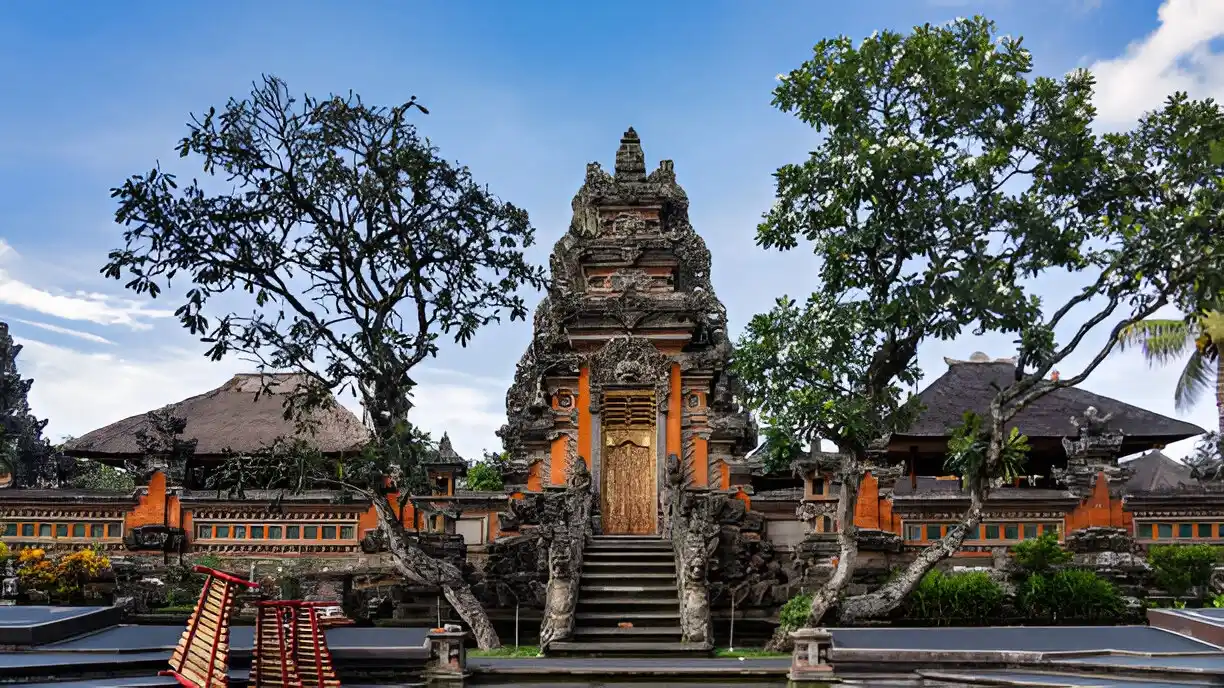
Taman Saraswati Temple is a water temple located in the center of Ubud, known for its lotus pond and elegant Balinese architecture. Unlike larger temple complexes, this place feels more accessible and visually calm, especially in the morning or late afternoon.
It is dedicated to the goddess of knowledge and arts, which is why the surroundings often feel artistic and peaceful rather than ceremonial-heavy. Many people come here not only for spiritual reasons, but also for its quiet visual atmosphere.
- Lotus pond surrounded by traditional architecture
- Dedicated to Saraswati, goddess of knowledge and arts
- Calm and centrally located in Ubud
- Ideal for light cultural visits and photography
7. Tirta Empul Sebatu
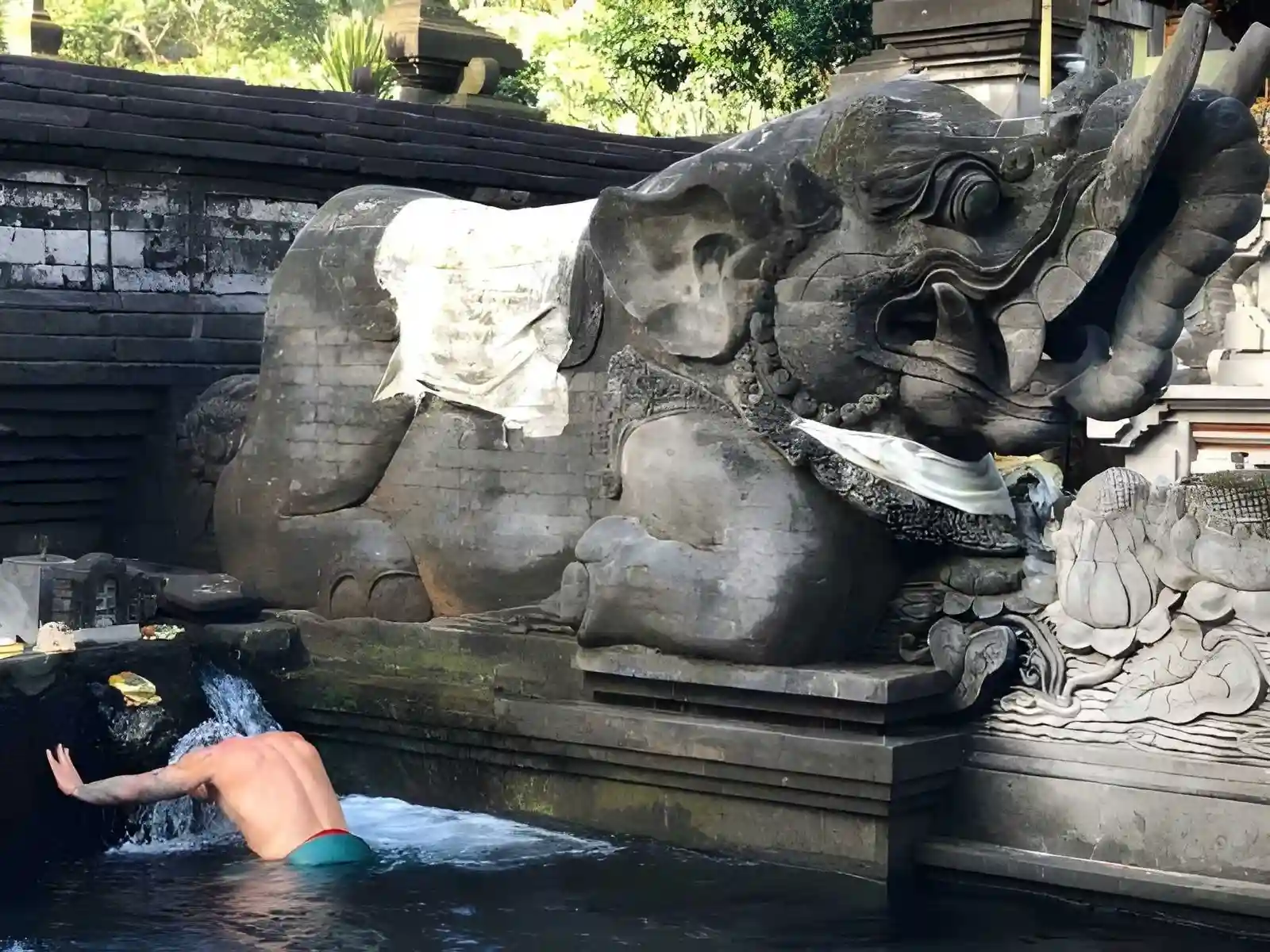
Tirta Empul Sebatu is a quieter alternative to the more famous Tirta Empul, offering a more peaceful purification experience. The temple is surrounded by natural greenery, and the atmosphere feels less crowded and more reflective.
The water purification pools here are still actively used for ritual cleansing, but the overall setting feels more intimate and relaxed compared to larger tourist-heavy sites.
- Holy spring water purification pools
- Quieter atmosphere compared to main Tirta Empul
- Surrounded by jungle and natural greenery
- Active local spiritual practice still ongoing
8. Penglipuran Village
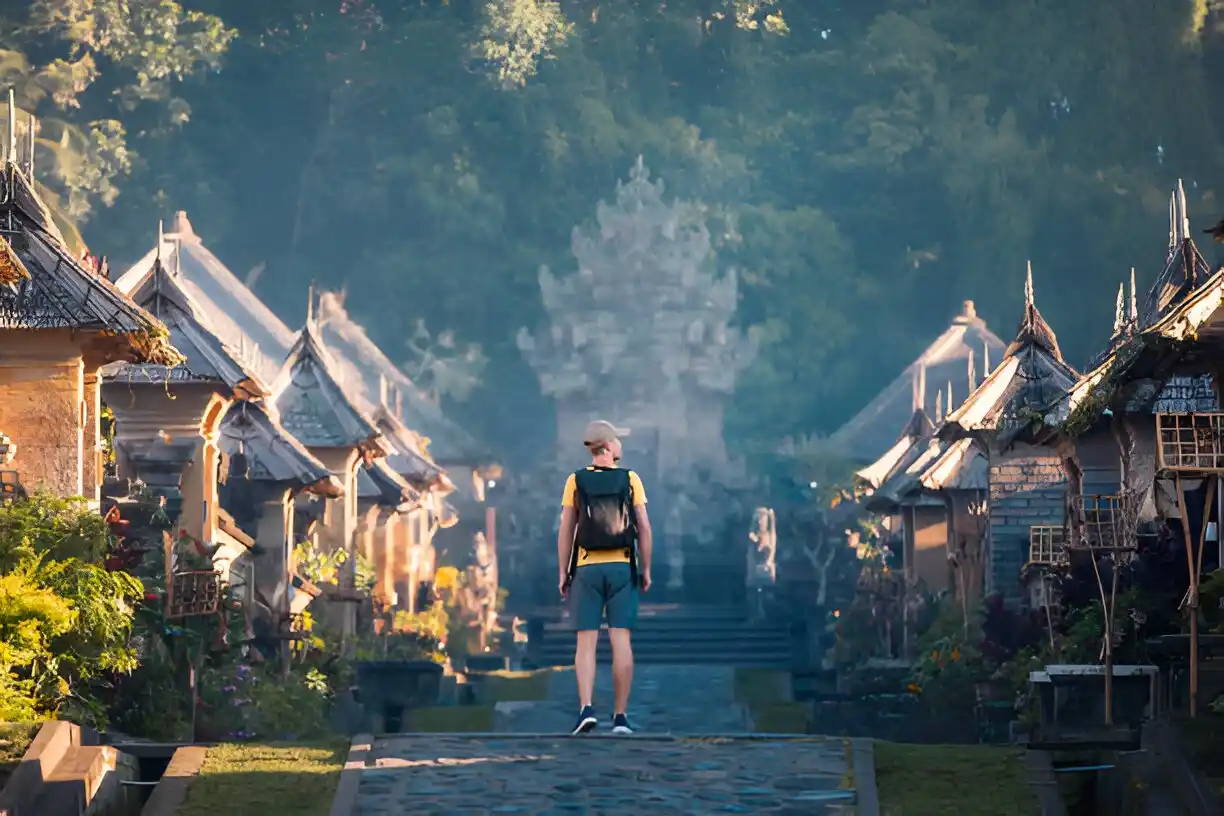
Penglipuran Village is a traditional Balinese village that reflects daily spiritual life through architecture, community structure, and cultural discipline. It is one of the cleanest and most organized villages in Bali, where traditions are still strongly preserved.
Walking through the village gives a different perspective of spirituality—not through temples, but through how people live, maintain harmony, and follow cultural values in everyday life.
- Traditional Balinese village structure still preserved
- Strong cultural and spiritual community values
- Clean, organized village layout with uniform architecture
- Immersive cultural walking experience
9. Saraswati Temple Lotus Pond
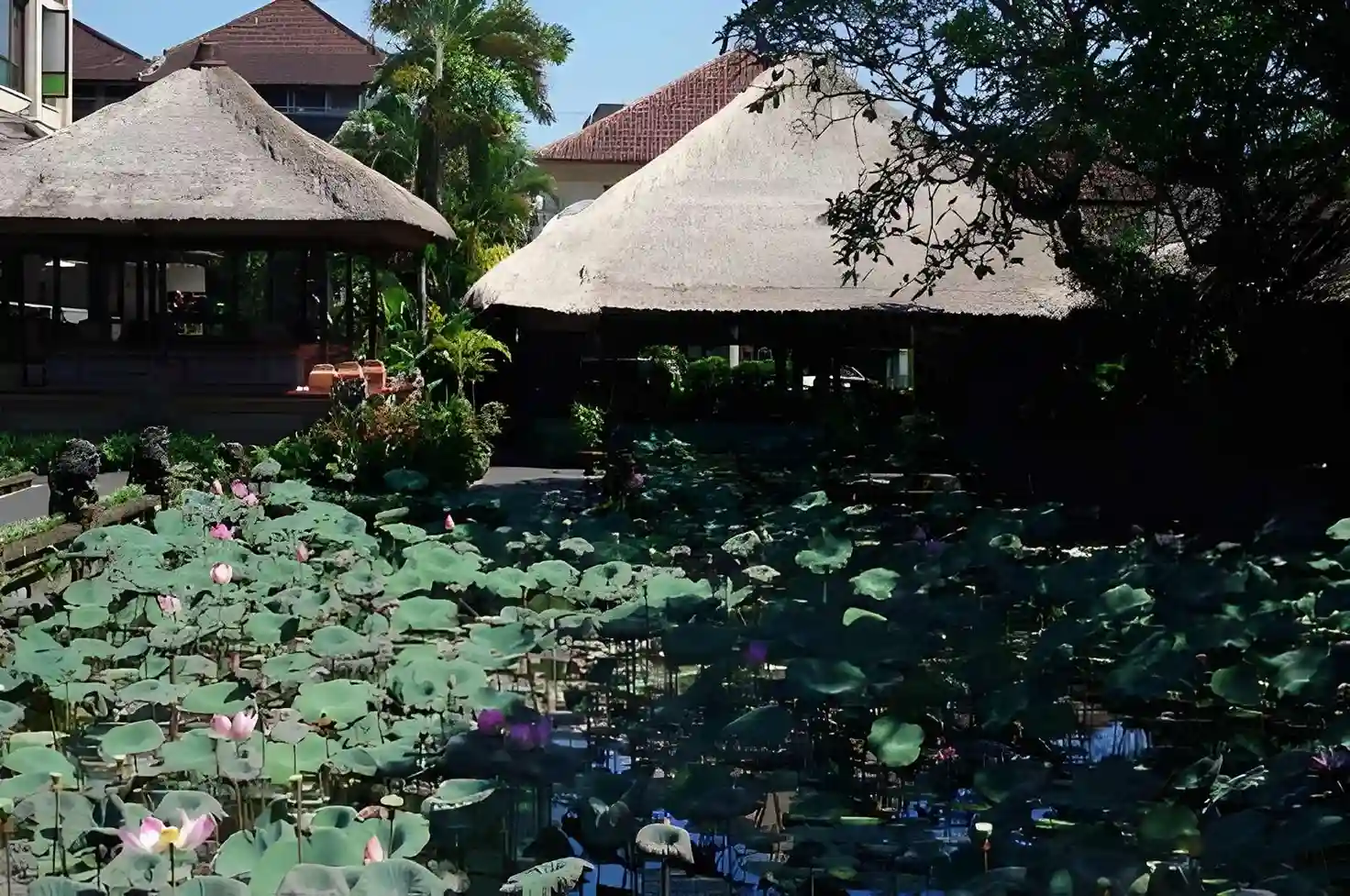
Saraswati Temple Lotus Pond is a visually iconic spiritual spot known for its lotus pond and symmetrical temple design. The reflection of the temple on the water creates a calm and balanced atmosphere, especially during quiet hours.
While it is located near central Ubud, the experience feels surprisingly peaceful when visited early, before crowds arrive. It blends spirituality, architecture, and natural water elements into one compact space.
- Lotus-filled water pond with temple reflection
- Dedicated to spiritual and artistic symbolism
- Best visited during early morning or evening
- Compact but visually rich spiritual site
10. Tjampuhan Sacred Springs
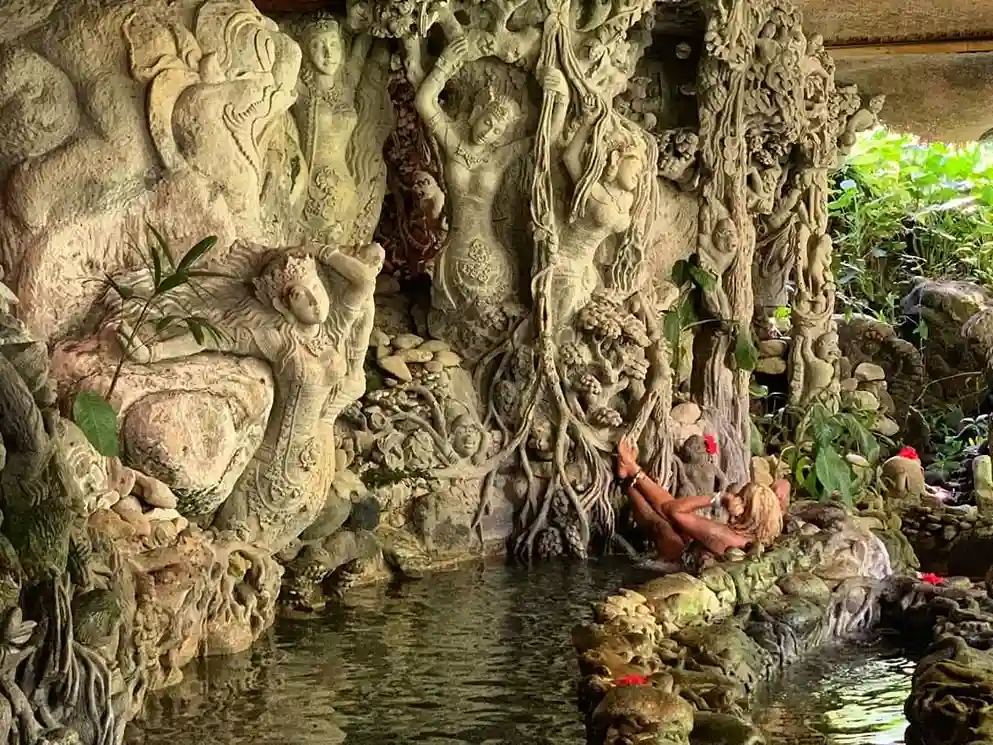
Tjampuhan Sacred Springs is a natural healing site where warm and cold spring water flows from the rocks along a river valley. It is often associated with purification and relaxation rather than formal temple rituals.
The location requires a short walk through a valley path, and the atmosphere becomes more natural and quiet as you approach the water area. It feels more like a hidden healing space than a tourist attraction.
- Natural hot and cold spring water flow
- River valley surrounded by jungle landscape
- Used for traditional cleansing and relaxation
- Peaceful and less commercialized environment
You may also want to read this: Best Spiritual Experiences in Bali: Temples, Healing, Meditation and Rituals
Travel Tips, Etiquette & Best Timing for Visiting Spiritual Places in Ubud
Exploring spiritual places in Ubud is not just about visiting locations, but also about understanding how to move respectfully within spaces that are still actively used for rituals and daily worship. A bit of preparation can completely change how smooth and meaningful your experience feels.
Most spiritual sites here are open to visitors, but they follow cultural and religious etiquette that is important to respect throughout your journey.
Here are the key things to keep in mind:
- dress appropriately for temple visits
Shoulders and knees should be covered, and sarongs are usually required at temple entrances. - be mindful during ceremonies
If a ritual is taking place, avoid interrupting or walking too close to the praying area. - morning is the best timing
Early hours offer a calmer atmosphere, softer light, and fewer crowds across most spiritual locations. - walk slowly and respectfully
Many sites are also active spiritual spaces, not just tourist attractions. - check weather before visiting nature spots
Places like rice terraces and ridge walks feel very different depending on light and rain conditions.
These small adjustments help you experience Ubud in a more natural and respectful way, closer to how the local culture actually lives it.
Explore Spiritual Places in Ubud More Comfortably With Marina Bali Tours
Because spiritual places in Ubud are spread across different areas. Planning temples, rice terraces, valleys, and villages into a smooth route can be challenging, especially if you want to visit multiple spots in one day without rushing.
With Marina Bali Tours, you can explore these spiritual locations in a more balanced and comfortable way, without worrying about navigation, timing, or transport between scattered sites. The experience is arranged so you can focus more on the atmosphere and less on logistics.
Our Bali Tours Package helps you combine Ubud’s most meaningful spiritual places into a well-paced journey, so you can enjoy each stop at the right time and with a more relaxed flow throughout the day.
For more cultural experiences, temple guides, and nature spots across Bali, continue exploring our related articles below.
FAQs About Ubud Spiritual Places
What are the most spiritual places in Ubud?
The most spiritual places in Ubud include temples like Tirta Empul, ancient sites like Goa Gajah, and natural areas such as Tegalalang Rice Terrace.
Is Ubud good for spiritual healing?
Yes, Ubud is widely known as Bali’s spiritual and healing center because of its temples, nature, and strong cultural traditions that support mindfulness and reflection.
Do you need a guide for spiritual places in Ubud?
You don’t always need a guide, but having one can help you understand the cultural meaning, temple etiquette, and best route between scattered locations.
What should you wear when visiting temples in Ubud?
You should wear modest clothing that covers shoulders and knees, and a sarong is usually required when entering temples.
What is the best time to visit spiritual places in Ubud?
The best time is early morning when temples and natural spots are quieter, cooler, and have better lighting conditions.
Can you visit multiple spiritual places in Ubud in one day?
Yes, but because locations are spread out, it’s best to group nearby spots or follow a planned route to avoid long travel times.