
Sekumpul Waterfall is one of North Bali’s most distinctive nature destinations, known for its towering cascades, forested valley, and trekking routes that lead visitors closer to the falling water. Rather than a single waterfall beside an easy roadside path, Sekumpul is part of a larger waterfall landscape that includes Hidden Waterfall and the nearby Fiji Waterfall.
Located in Sawan District, Buleleng Regency, Sekumpul offers different ways to experience the area. You can choose a shorter visit to the viewpoint or take a guided trek down into the valley. The right option depends on how much time you have, your physical condition, and whether you want to see the main waterfall or explore several cascades along the route.
If you are planning a visit, understanding the trekking options, entrance fees, access conditions, and travel time will help you decide how to include Sekumpul Waterfall in your Bali itinerary.
Where Is Sekumpul Waterfall in Bali?
Sekumpul Waterfall is located in Sekumpul Village, Sawan District, Buleleng Regency, in the northern part of Bali. The area is known for its green hills, agricultural landscapes, and waterfalls that descend through forested valleys.
The waterfall is approximately 20 kilometres from Singaraja, while the drive from Denpasar generally takes around 2.5–3 hours, depending on traffic and your starting point. From Lovina, the journey is typically shorter, making Sekumpul a practical option if you are staying in North Bali.
After reaching the village, you still need to follow the local access route. Depending on your chosen ticket, this may involve a walk to a viewpoint or a longer descent along steps and trails toward the waterfalls.
Because the destination is inland and the final approach involves walking, allow enough time for both the drive and the visit itself. Reaching the parking area does not mean you have reached the base of the waterfall.
What Makes Sekumpul Waterfall Special?

Sekumpul is known for its collection of waterfalls set within a lush valley. The landscape combines tall rock faces, tropical vegetation, flowing streams, and the sound of water echoing through the surrounding forest.
A Valley of Multiple Waterfalls
Sekumpul is often described as a group of six or seven waterfalls. The exact number reported varies between sources, and not every cascade is necessarily accessible through the same route.
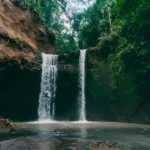
The main Sekumpul falls are the primary attraction, with several streams descending from a high, vegetation-covered cliff. From the right viewing position, you can appreciate the scale of the valley and the contrast between the white water and the surrounding greenery.
This setting makes Sekumpul particularly appealing if you enjoy natural landscapes and photography. However, the most impressive views may require more effort than a simple walk from a parking area.
Hidden Waterfall and Fiji Waterfall
The wider area also includes Hidden Waterfall and Fiji Waterfall, which are offered as additional stops on some local trekking packages.
Hidden Waterfall provides another place to explore along the river, while Fiji Waterfall is known for its broader arrangement of cascades. The two are often included in longer waterfall itineraries, but they should not be assumed to be part of every entry ticket.
If you want to visit all three, confirm which waterfalls are included in your chosen package before starting the trek.
A Nature Experience That Involves Trekking
One of the defining features of Sekumpul is the route into the valley. Visitors may need to descend steep steps, follow uneven paths, and cross a stream to reach the main waterfall area.
The physical effort is part of the experience, but it also means Sekumpul is not the most convenient choice for everyone. If you prefer a destination with minimal walking, the viewpoint option may be more suitable than a full trek.
Which Sekumpul Waterfall Route Should You Choose?
The best way to visit Sekumpul depends on how much of the area you want to explore. The local village-managed website currently lists three options: View Only, Medium Trip, and Long Trip.
View Only: See the Waterfall from Above
The View Only option is designed for visitors who want to see the waterfall panorama without completing the longer descent into the valley.
It can be a useful choice if you have limited time, prefer a less physically demanding visit, or are unsure whether the full trekking route suits you.
Keep in mind that a viewpoint visit is different from reaching the waterfall’s base. If standing close to the cascades is important to you, check which trekking package includes that experience.
Medium Trip: Sekumpul and Hidden Waterfall
The Medium Trip package is listed as including Sekumpul Waterfall and Hidden Waterfall. It is a suitable option to consider if you want more than the viewpoint but do not plan to include Fiji Waterfall.
Expect a more active visit, with a descent into the valley and walking over uneven or wet surfaces. Wear footwear with good grip and follow your local guide’s instructions throughout the route.
The village-managed website lists an estimated duration of around 1–1.5 hours for this package. Your actual time may vary according to walking pace, weather, visitor numbers, and time spent taking photographs.
Long Trip: Explore Sekumpul, Hidden Waterfall, and Fiji Waterfall
The Long Trip package includes Sekumpul Waterfall, Hidden Waterfall, and Fiji Waterfall, according to the local village-managed website.
This option is worth considering if you want to experience more of the area’s cascades in one visit and have enough time and stamina for a longer walk.
The duration is around 1.5–2 hours, although you should allow additional flexibility if you walk slowly, take frequent breaks, or encounter challenging trail conditions.
Before choosing, confirm the current inclusions, transport arrangements, guide service, and total cost directly with the local operator.
Sekumpul Waterfall Entrance Fee and Trekking Costs
Sekumpul Waterfall has different ticket options depending on how much of the area you want to explore.
| Ticket option | Published price per person | Listed inclusions |
|---|---|---|
| View Only | IDR 20,000 | Entrance ticket and viewpoint access |
| Medium Trip | IDR 150,000 | Sekumpul Waterfall, Hidden Waterfall, insurance, and safety priority |
| Long Trip | IDR 250,000 | Sekumpul, Hidden Waterfall, Fiji Waterfall, insurance, safety priority, mineral water, and transport subject to terms |
Where Should You Buy Your Ticket?
Start by following the official access signs toward the village’s designated parking and ticket centre. Confirm the ticket category, inclusions, and route before paying.
Avoid paying someone who approaches you on the road without first verifying their affiliation with the local operator. If anything is unclear, ask for the official ticket centre and a clear explanation of the package.
Bringing Indonesian rupiah in cash is a sensible precaution for local payments. Do not assume that every service accepts cards or that transport to the village is included in your waterfall ticket.
You may also want to read this: 10 Most Beautiful Waterfalls in Bali You Should Visit
How Difficult Is the Sekumpul Waterfall Trek?

The difficulty depends on the route you choose, but the descent to the waterfalls can be physically demanding. Steps, uneven terrain, wet surfaces, and a stream crossing are among the main things to prepare for.
Stairs and Steep Sections
The trail descends from the village into the valley, and several sections involve steep steps. Going down may feel manageable at first, but remember that you must also climb back up to the starting point.
Take breaks when needed and use available handrails where provided. Rushing downhill can increase the risk of slipping, especially after rain.
Uneven Paths and River Crossings
Closer to the waterfalls, the route can involve walking over rocks and crossing flowing water. Some surfaces may be slippery even when the surrounding weather is clear.
Wear shoes with good traction, watch your footing, and follow your guide’s instructions. Do not attempt a crossing if the water is rising or the guide advises against it.
Is Sekumpul Suitable for Children or Older Visitors?
It depends on the individual and the chosen route. Visitors who are comfortable walking on uneven terrain may find the trek manageable, while those with knee problems, balance difficulties, or limited mobility may find the descent and return climb challenging.
Families should consider children’s walking ability and supervision needs before choosing a full trek. A viewpoint visit may be a better alternative for anyone who is not comfortable with steep steps or wet terrain, although the exact viewpoint access should also be checked locally.
If you have concerns about your physical ability, discuss them with the local operator before committing to a trekking package.
How to Get to Sekumpul Waterfall
Sekumpul is in North Bali, so the journey can take a significant part of your day if you are staying in the south. Your best transport option depends on your starting point, driving experience, and whether you plan to visit other destinations.
From Denpasar and South Bali
The drive from Denpasar generally takes around 2.5–3 hours, while travel from areas such as Kuta, Seminyak, or Canggu can take longer depending on traffic and the route.
Leaving early gives you more time to explore the waterfalls without rushing the return journey. If you plan to combine Sekumpul with other destinations, account for the trekking duration separately from the drive.
From Ubud
Ubud is another common starting point for North Bali excursions. The journey typically takes a few hours, with actual travel time depending on your accommodation and road conditions.
If you are travelling from Ubud and want to complete the longer trek, plan the day around Sekumpul rather than treating it as a quick stop between several distant attractions.
From Lovina or Singaraja
Sekumpul is more convenient to reach if you are staying in North Bali.
From Singaraja, the drive is approximately 20 kilometres, while Lovina visitors can plan a trip inland through the surrounding region. The actual journey time varies with the route and local road conditions.
Staying in the north can give you more flexibility to arrive early, complete a trekking package, and explore another nearby destination without spending most of the day in the car.
You may also want to read this: 5 Bali Nature Itinerary Ideas for a Scenic Island Adventure
Best Time to Visit Sekumpul Waterfall
The best time to visit Sekumpul Waterfall depends on what matters most to you: more comfortable trekking conditions, fewer visitors, or a fuller waterfall after seasonal rainfall. For most travelers, the dry season from April to October offers a practical balance, while an early morning start gives you more time to explore before the day gets hotter.
However, weather conditions can change quickly in Bali’s highlands. Since reaching the waterfalls involves steep steps, uneven paths, and river crossings, check local trail conditions before setting off rather than relying on the season alone.
Best Time of Day to Visit
Aim to start your visit early in the morning, ideally around 8:00–9:00 AM, if the ticket centre and your chosen trekking route are operating. Cooler temperatures can make the descent and return climb more comfortable, and arriving early may help you avoid some of the later visitor traffic.
Here is how to plan your timing:
- Early morning (around 8:00–9:00 AM): A good starting window for cooler conditions and a more relaxed trek. You will also have more flexibility for breaks and photography.
- Mid-morning to midday: Visitor numbers may increase as day trips arrive from other parts of Bali. The return climb can also feel more demanding as temperatures rise.
- Afternoon: Allow enough time to finish your trek and return before the site closes. Afternoon showers are possible, particularly during the wetter months, so avoid leaving your visit too late.
These are planning guidelines rather than guaranteed crowd or weather conditions. Confirm the current opening hours with the local operator before travelling.
Best Season to Visit Sekumpul Waterfall
Dry Season (April–October)
The dry season is generally the most practical period for trekking at Sekumpul. Rain is typically less frequent than during the wetter months, which can make the steps and walking paths easier to navigate.
Why choose this period?
- More favourable conditions for walking and exploring the valley.
- A lower likelihood of prolonged rainfall disrupting your plans.
- More flexibility to combine the waterfall with other North Bali destinations.
The trade-off is that the waterfalls may carry less water than after periods of sustained rainfall. Even during the dry season, shaded steps and rocks can remain slippery, so wear footwear with good grip.
Wet Season (November–March)
The wet season can bring stronger water flow and a lush, green landscape. If you enjoy seeing waterfalls with more volume, this period may appeal to you, but the experience comes with less predictable trail conditions.
What to keep in mind:
- Rain can leave the steps and paths muddy or slippery.
- River crossings may become deeper or faster flowing.
- Water may look brown or cloudy after heavy rainfall.
- Access to the lower waterfall area may need to be restricted if conditions are unsafe.
Do not choose the wet season solely for a more powerful waterfall. If there has been heavy rain, ask the local guide whether the trek and river crossings are safe. Postpone the descent if conditions are unsuitable.
Shoulder Months: April and October
April and October can fall between Bali’s wetter and drier weather patterns, so conditions may vary from one week to another. These months can be worth considering if your dates are flexible, but neither guarantees dry trails or strong water flow.
Check the recent forecast and local conditions before committing to a trekking package.
What to Bring for the Sekumpul Waterfall Trek
Preparing for the walking route can make the experience more comfortable and reduce the risk of minor problems along the way.
- Footwear with good grip: Choose shoes suitable for steps, wet rocks, and uneven paths.
- Quick-drying clothing: You may get wet from the spray or while crossing the stream.
- A change of clothes: Useful after a longer trek or if your clothing becomes soaked.
- Waterproof protection for electronics: Protect your phone and camera from water and mist.
- Drinking water: Bring water for the journey, particularly if your chosen package does not include it.
- Cash in Indonesian rupiah: Keep some cash available for local payments and personal needs.
- Sun protection: A hat and sunscreen can help during exposed parts of the walk.
- A small bag: Carry only what you need and keep your hands free for balance where necessary.
Stay on the designated route, listen to your guide, and take your rubbish back with you. Avoid climbing unstable rocks or entering restricted areas for photographs.
Can You Swim at Sekumpul Waterfall?
Some travel guides describe visitors entering the water near Sekumpul’s main waterfall, but conditions can vary, and swimming should never be assumed to be safe or permitted at every point.
If you want to enter the water, ask your local guide whether it is allowed and appropriate on the day of your visit. Follow all signs and restrictions around the waterfall.
Keep these precautions in mind:
- Stay out of the water if the current is strong or the level is rising.
- Avoid swimming after heavy rainfall when conditions are uncertain.
- Do not jump from rocks or attempt to climb near the waterfall.
- Be cautious around submerged rocks, which may be slippery.
- Follow the guide’s instructions and stay within any designated safe area.
The most important consideration is the condition of the water, not whether other visitors appear comfortable entering it. If the guide advises against swimming, enjoy the view from a safe position instead.
You may also want to read our related guides below:
- Tukad Cepung Waterfall Bali: Complete Guide, Fees & Tips
- Tibumana Waterfall Bali: Complete Guide, Fees & Travel Tips
- Tegenungan Waterfall Bali: Best Time, Entrance Fee & Complete Guide
Places to Visit Near Sekumpul Waterfall
If you want to explore more of North Bali, you can combine Sekumpul with another waterfall or a destination along your route. The best combination depends on your starting point and how much time you want to spend trekking.
1. Fiji Waterfall
Fiji Waterfall is one of the most relevant additions to a Sekumpul visit because it is included in the area’s longer trekking package.
The waterfall is known for its broader arrangement of cascades, providing a different view from the main Sekumpul falls. If you want to see both, choose a package that explicitly includes Fiji Waterfall and confirm the current route with the local operator.
2. Hidden Waterfall
Hidden Waterfall is another stop included in the local Medium Trip and Long Trip options. It offers an additional place to explore as part of the wider waterfall area.
If you are deciding between the trekking packages, compare the actual inclusions rather than choosing solely by price. A package covering additional waterfalls will naturally require more walking and time.
3. Gitgit Waterfall
Gitgit Waterfall is another recognised waterfall destination in North Bali. It can be considered if you are planning a broader sightseeing route around Singaraja and the surrounding highlands.
However, Gitgit is a separate stop and requires additional travel. If you want to complete a longer Sekumpul trek, avoid adding too many destinations that could make the day feel rushed.
4. Munduk Highlands
Munduk is worth considering if you want to extend your North Bali trip into the island’s cooler highlands. The area is known for forested landscapes, mountain scenery, and other waterfalls.
Because Munduk is a separate area, consider travel time and road conditions before combining it with Sekumpul. It may be more enjoyable as part of a longer North Bali itinerary rather than a hurried stop after an intensive trek.
Read more: 10 Best Things to Do in Munduk for Waterfalls, Lake Views & Highland Nature Experiences
4. Lovina
Lovina is a useful base if you want to spend more time exploring North Bali. Its coastal setting offers a contrast to Sekumpul’s forested valley and can make a good addition to a multi-day trip.
Staying in Lovina can also reduce the amount of driving required on the day you visit Sekumpul. If your schedule allows, consider exploring the northern coast separately rather than trying to fit every destination into one day.
How Much Time Should You Allow for Sekumpul Waterfall?
The time required depends on whether you choose the viewpoint or a longer trekking package.
- View Only: The local operator lists a duration of up to around one hour.
- Medium Trip: The published estimate is around 1–1.5 hours.
- Long Trip: The published estimate is around 1.5–2 hours.
These are estimates from the village-managed website, not guaranteed completion times. Your pace, weather, visitor numbers, photography stops, and trail conditions can affect how long you spend at the site.
Remember to add driving time from your accommodation and any additional sightseeing stops. If you are travelling from South Bali, Sekumpul can take up a substantial portion of the day even before you account for other destinations.
Is Sekumpul Waterfall Worth Visiting?
Sekumpul is worth considering if you enjoy natural scenery and are comfortable with a more active waterfall experience. The combination of multiple cascades, a forested valley, and the opportunity to explore with a local guide makes it different from destinations that require little walking.
It may be a good fit if you:
- Enjoy trekking and exploring natural landscapes.
- Want to see Sekumpul alongside Hidden Waterfall or Fiji Waterfall.
- Have enough time for the journey to North Bali.
- Are comfortable walking on steps and uneven, potentially wet terrain.
- Prefer a nature-focused trip over a schedule packed with quick stops.
You may want to choose a viewpoint-only visit or another destination if steep steps and river crossings are unsuitable for you, or if you have limited time for the journey.
The key is to choose the right route for your ability and schedule. You do not need to complete the longest trek to appreciate the scenery, but knowing what each ticket includes will help you make an informed decision.
Explore Sekumpul Waterfall and North Bali with Marina Bali Tours
Reaching Sekumpul Waterfall takes more than a drive through Bali. You need time to descend into the valley, explore the waterfalls, and make your way back up. If you are travelling from South Bali, planning the journey carefully becomes even more important, especially if you want to visit other places along the way.
With Marina Bali Tours, you can plan a Bali sightseeing trip around the destinations you genuinely want to experience. Pair your visit to Sekumpul with other stops that fit your route, whether you prefer more time in nature or want to discover another side of Bali beyond its beaches.
Explore our Bali tour packages to find a sightseeing option that suits your itinerary and make your North Bali journey part of a well-planned trip.
Frequently Asked Questions About Sekumpul Waterfall
Sekumpul Waterfall is located in Sekumpul Village, Sawan District, Buleleng Regency, in North Bali. It is approximately 20 kilometres from Singaraja and around 2.5–3 hours by car from Denpasar, depending on traffic and your starting point.
The village-managed website currently lists View Only at IDR 20,000 per person, Medium Trip at IDR 150,000, and Long Trip at IDR 250,000. Confirm current prices, availability, and inclusions with the local operator before visiting.
Guided trekking packages are offered by the local village-managed operator. Confirm the current guiding requirements for your chosen route at the ticket centre, and follow local instructions during the descent and river crossings.
Estimate are up to around one hour for View Only, 1–1.5 hours for Medium Trip, and 1.5–2 hours for Long Trip. Actual durations vary according to your pace, weather, and time spent at the waterfalls. Driving time is additional.
The full trek involves steep steps, uneven paths, and a stream crossing. It can be challenging for visitors with limited mobility, balance difficulties, or knee problems. A viewpoint-only visit may be more suitable, depending on the access conditions.
Sekumpul is the main waterfall attraction in Sekumpul Village, while Fiji Waterfall is a separate cascade in the wider area, commonly included in the Long Trip package. Confirm the package inclusions if you want to visit both.
Some visitors enter the water near the main waterfall, but swimming should only be considered if local staff confirm that it is permitted and safe under current conditions. Avoid the water when currents are strong or after heavy rain.
Morning is generally a practical time to start because it gives you more time for trekking and helps you avoid the hottest part of the day. The relatively dry months, around April to October, often offer more convenient walking conditions, but always check the weather before visiting.
Yes, depending on your starting point, chosen trekking package, and the destinations you add. Fiji Waterfall and Hidden Waterfall are the most natural additions to the main visit. Other destinations require additional travel time, so avoid overloading your itinerary.




[…] Sekumpul Waterfall Bali: Explore North Bali’s Stunning Falls […]