Tukad Cepung Waterfall offers a different kind of waterfall experience in Bali. Instead of opening onto a wide jungle landscape, the waterfall sits inside a narrow rock canyon, where sunlight can filter through the opening above and illuminate the falling water. On a clear morning, this natural effect creates one of the destination’s most distinctive photo opportunities.
Located in Tembuku, Bangli Regency, Tukad Cepung Waterfall is worth considering if you want to explore Bali beyond its beaches and better-known attractions. However, reaching the main waterfall involves descending stone steps, walking over uneven ground, and crossing shallow flowing water. Knowing what to expect, when to visit, and how to prepare will help you plan a more comfortable trip.
Where Is Tukad Cepung Waterfall in Bali?
Tukad Cepung Waterfall is located in Penida Kelod, Tembuku Village, Tembuku District, Bangli Regency, in eastern Bali. The destination is inland, away from the island’s main beach areas, and is commonly visited as part of a sightseeing trip from Ubud or other parts of central and southern Bali.
Unlike waterfalls that can be viewed almost immediately from a roadside entrance, Tukad Cepung requires a walk down into a rocky gorge. The journey is part of the experience, taking you through tropical vegetation and along a stream before you reach the main waterfall.
What Makes Tukad Cepung Waterfall Worth Visiting?
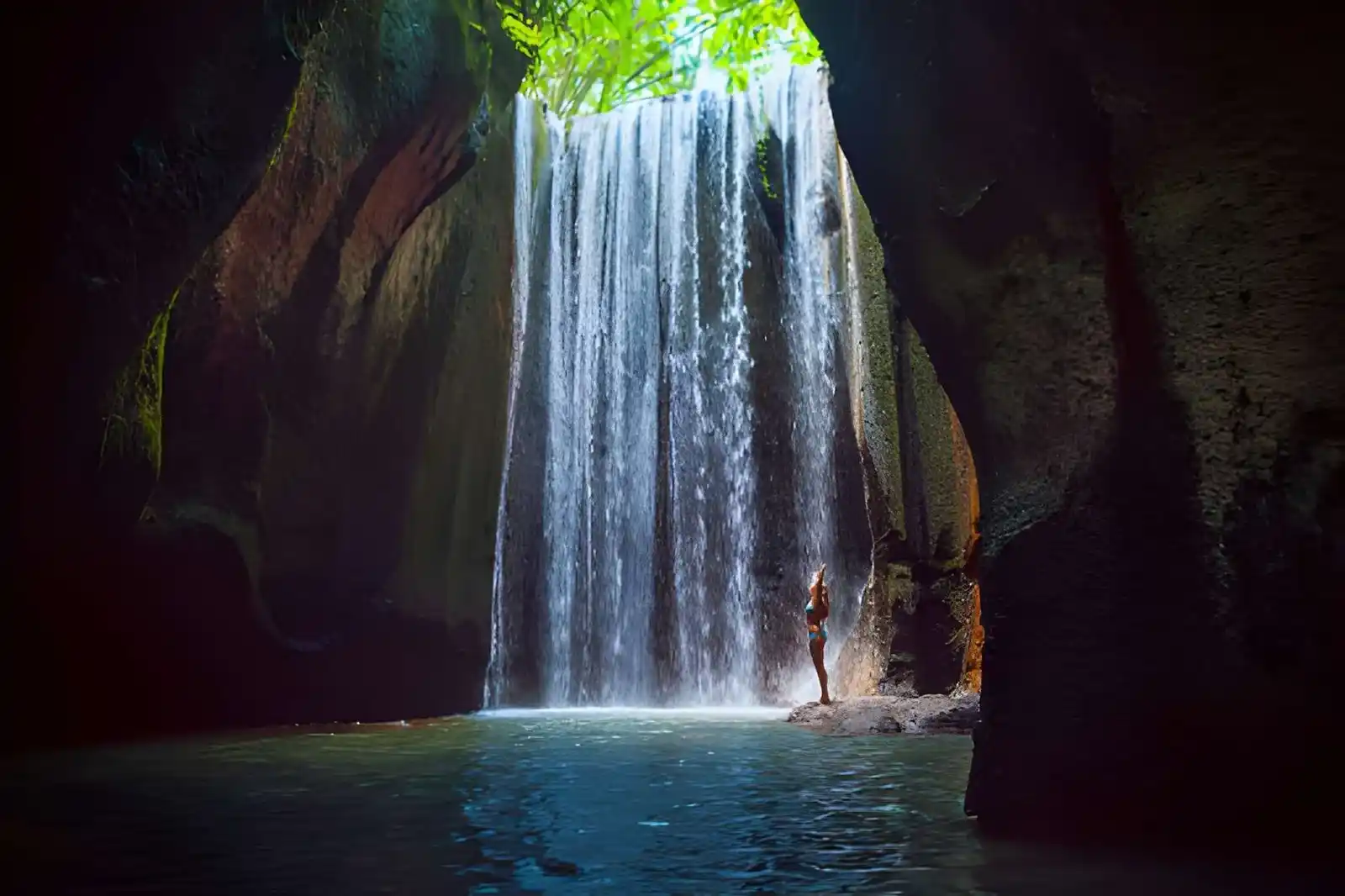
Tukad Cepung stands out because of its unusual setting. The waterfall drops through an opening in the rock above a narrow canyon, creating a scene that feels enclosed by towering stone walls rather than surrounded by an open forest.
1. The Natural Sunbeam Effect
The most recognizable feature of Tukad Cepung is the sunlight that can stream through the opening above the waterfall. When the sun reaches the right angle and the weather is clear, beams of light may appear through the mist and illuminate the falling water.
This effect is most commonly sought in the morning, particularly around 9:00–11:00 AM. However, the exact timing and intensity depend on the sun’s position, cloud cover, and current conditions. You may not see distinct light beams on every visit.
Photography tip: If capturing the sunbeams is important to you, arrive in the morning and allow some flexibility in your schedule. Bring a lens cloth because moisture and spray can quickly affect your camera or phone.
2. A Waterfall Inside a Rock Canyon
The main waterfall is tucked into a narrow, cave-like rock chamber. You approach it by following the stream and navigating around rocks, so the view gradually opens up rather than appearing immediately at the entrance.
The enclosed setting gives Tukad Cepung a different character from waterfalls with broad open pools or unobstructed views. It is particularly appealing if you enjoy natural rock formations, dramatic landscapes, and photography.
3. A Short Adventure to Reach the Falls
Reaching the waterfall is not simply a matter of walking along a flat path. You will descend a series of stone steps and continue across uneven terrain before reaching the stream.
The walk is manageable for many visitors with reasonable mobility, but the steep sections, slippery surfaces, and river crossing can make it challenging for young children, older visitors, and anyone with mobility limitations. Take your time rather than treating the walk as a race to the photo spot.
Tukad Cepung Waterfall Entrance Fee and Opening Hours
Entrance fees and opening hours can change, so it is worth checking locally before your visit.
Recent travel guides commonly list the entrance fee at approximately IDR 30,000 per person, with typical operating hours around 7:00 AM–6:00 PM. These figures should be treated as estimates rather than guaranteed current rates.
| Visitor information | What to know |
|---|---|
| Location | Tembuku, Bangli Regency, Bali |
| Estimated entrance fee | Around IDR 30,000 per person |
| Commonly listed opening hours | Around 7:00 AM–6:00 PM |
| Access | Stone steps, uneven paths, and a stream crossing |
| Recommended visit time | Around 1–2 hours, depending on walking pace and photo stops |
| Payment preparation | Bring some Indonesian rupiah in cash |
The estimated visit duration includes time to walk down, explore the waterfall area, take photographs, and return to the entrance. It does not include the drive from your accommodation or stops at other attractions.
Best Time to Visit Tukad Cepung Waterfall
The best time to visit depends on whether you want to photograph the sunbeams, avoid the busiest periods, or simply enjoy the waterfall in suitable weather.
Best Time of Day
Morning, around 9:00–11:00 AM, is a popular window for seeing the sunlight effect. Under clear conditions, the sun may shine through the canyon opening and create visible beams around the waterfall.
Keep these considerations in mind when choosing your arrival time:
- Early morning: Arriving near opening time may give you a quieter walk and more time to explore before visitor numbers increase. The sunbeam effect may not yet be at its strongest.
- Mid-morning: Around 9:00–11:00 AM is a commonly recommended window for photography, although the light is never guaranteed.
- Midday: The area can become busier, particularly when sightseeing groups arrive. Expect to share popular photo spots with other visitors.
- Late afternoon: The light may be different, and there may be less time to complete the walk before closing. Check local operating hours and avoid entering the gorge too close to closing time.
Weekends, public holidays, weather, and tour schedules can affect crowd levels. Arriving early does not guarantee an empty waterfall, but it gives you more flexibility with your visit.
Best Season to Visit
Bali’s dry season, generally around April to October, can offer more convenient conditions for outdoor sightseeing. However, the weather varies from day to day, and rainfall can occur even during these months.
The wetter months, generally around November to March, can bring heavier rainfall and more challenging trail conditions. Because Tukad Cepung is reached through a narrow gorge and flowing water, recent rainfall matters more than the season alone.
Before you go, check the forecast and ask about local conditions. If there has been heavy rain or the stream is rising, postpone the visit rather than attempting to reach the waterfall for photographs.
You may also want to read this: 10 Most Beautiful Waterfalls in Bali You Should Visit
How to Get to Tukad Cepung Waterfall
You can reach Tukad Cepung Waterfall by private car, car with a driver, or scooter if you are confident riding in Bali. The most suitable option depends on where you are staying and whether you want to visit other attractions along the way.
From Ubud
Ubud is a common starting point for visiting Tukad Cepung. The drive generally takes around 45–60 minutes, although traffic and the exact pickup location can affect the journey.
If you are staying in Ubud, you can plan a morning departure to reach the waterfall during the popular photography window. Allow additional time for the walk down, exploring the gorge, and returning to the vehicle.
From Kuta, Seminyak, or Canggu
Travelling from Bali’s southern beach areas usually takes longer. Depending on traffic and your starting point, allow approximately 1.5–2 hours or more for the drive.
If Tukad Cepung is one of several stops on your itinerary, consider how much time you will spend on the road before adding more destinations. Leaving early can help you avoid squeezing the waterfall visit into the busiest part of the day.
What to Expect on the Walk to Tukad Cepung Waterfall
The approach to Tukad Cepung is an important part of planning your visit. Although the waterfall itself is relatively close to the entrance compared with some longer Bali waterfall hikes, the route includes several different surfaces.
1. Follow the Entrance Path
After entering the site, follow the marked route toward the waterfall. The path leads through a green setting before you reach the steps descending into the gorge.
Wear footwear with good grip from the start. You may encounter damp surfaces even when it has not rained recently.
2. Descend the Stone Steps
The trail includes a considerable number of stone steps, with some steep or uneven sections. Going down may feel straightforward, but the return climb can be more tiring.
Use available handrails where provided and avoid rushing, particularly if the steps are wet. If you have knee problems, balance difficulties, or limited mobility, assess the route carefully before committing to the descent.
3. Cross the Stream and Navigate the Rocks
Closer to the waterfall, the route follows the stream over uneven rocks. Depending on water levels, your feet may get wet, and some surfaces may be slippery.
Move slowly, watch where you place your feet, and avoid jumping between rocks. Water shoes or secure footwear with good traction can be useful, provided they are suitable for wet conditions.
4. Reach the Main Waterfall
The final approach opens into the narrow rock chamber where the main waterfall is located. You can spend time appreciating the rock formations, watching the water, and taking photographs when conditions allow.
Give other visitors space, especially around the narrow approach and popular photography spots. Avoid climbing unstable rock faces or standing in areas where staff have restricted access.
Is the Walk Suitable for Everyone?
Not necessarily. The stairs, uneven surfaces, and stream crossing may be difficult for visitors with mobility limitations, very young children, or anyone who is uncomfortable walking on slippery rocks.
There may also be no straightforward way to bypass the more challenging sections. If you are unsure whether the route is suitable for you, ask local staff about current trail conditions before descending.
Can You Swim at Tukad Cepung Waterfall?
Tukad Cepung is primarily known for its canyon setting and natural light effect rather than as a dedicated swimming destination. Water conditions, the rocky bottom, and the confined space make it important to be cautious around the stream and waterfall.
Some visitor guides describe wading or cooling off in shallow water, but that does not mean swimming is safe in all conditions.
Before entering the water:
- Ask local staff whether entering the stream is permitted and safe that day.
- Avoid the gorge during or after heavy rainfall if water levels are elevated or conditions are uncertain.
- Do not enter fast-flowing water or attempt to swim beneath the waterfall.
- Watch your footing on submerged rocks, which may be slippery or uneven.
- Follow any local signs, barriers, or instructions restricting access.
Important: Water levels can change quickly after heavy rain upstream. If staff advise against entering the gorge or the stream looks stronger than usual, stay out and choose another activity.
Places to Visit Near Tukad Cepung Waterfall
If you are already travelling to Bangli, you may want to combine Tukad Cepung with another waterfall or cultural destination. Choose stops according to your starting point, travel time, and how much walking you want to do in one day.
1. Goa Raja Waterfall
Goa Raja Waterfall is another waterfall in the Bangli area that appears in travel guides alongside Tukad Cepung. It offers a different setting for visitors interested in exploring more of the region’s natural scenery.
Before combining the two, check the current access conditions and travel time. Visiting two waterfalls can involve additional stairs, wet paths, and time outdoors, so leave enough room in your itinerary.
2. Tibumana Waterfall
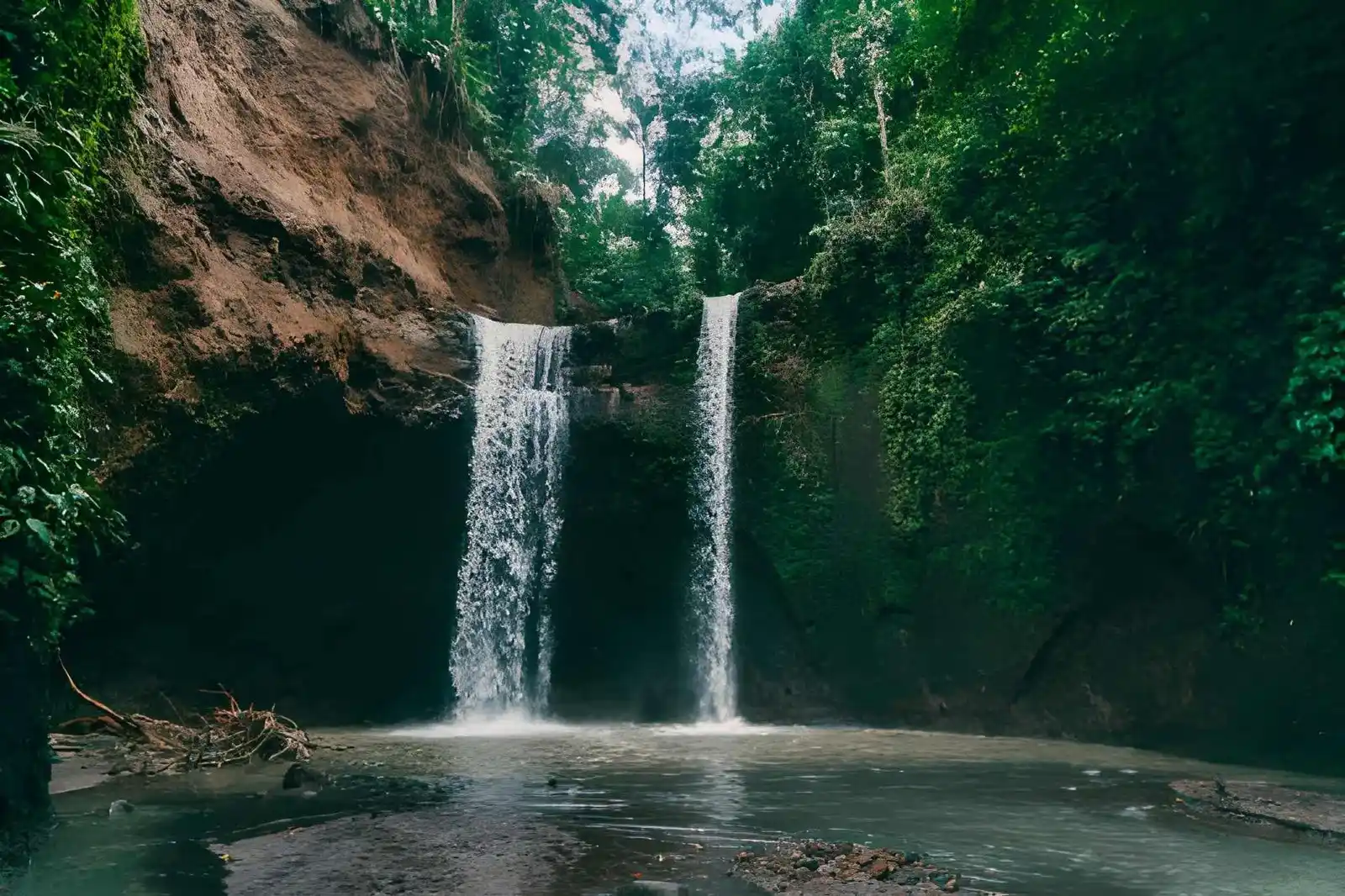
Tibumana Waterfall is another popular nature stop in Bangli. Unlike Tukad Cepung’s enclosed canyon, Tibumana is known for its more open waterfall setting surrounded by tropical greenery.
It can be a useful addition if you want to experience a different waterfall landscape during your trip. Allow time for the drive between locations and check the latest access rules at each site rather than assuming the conditions are the same.
Read more: Tibumana Waterfall Bali: Complete Guide, Fees & Travel Tips
3. Kanto Lampo Waterfall
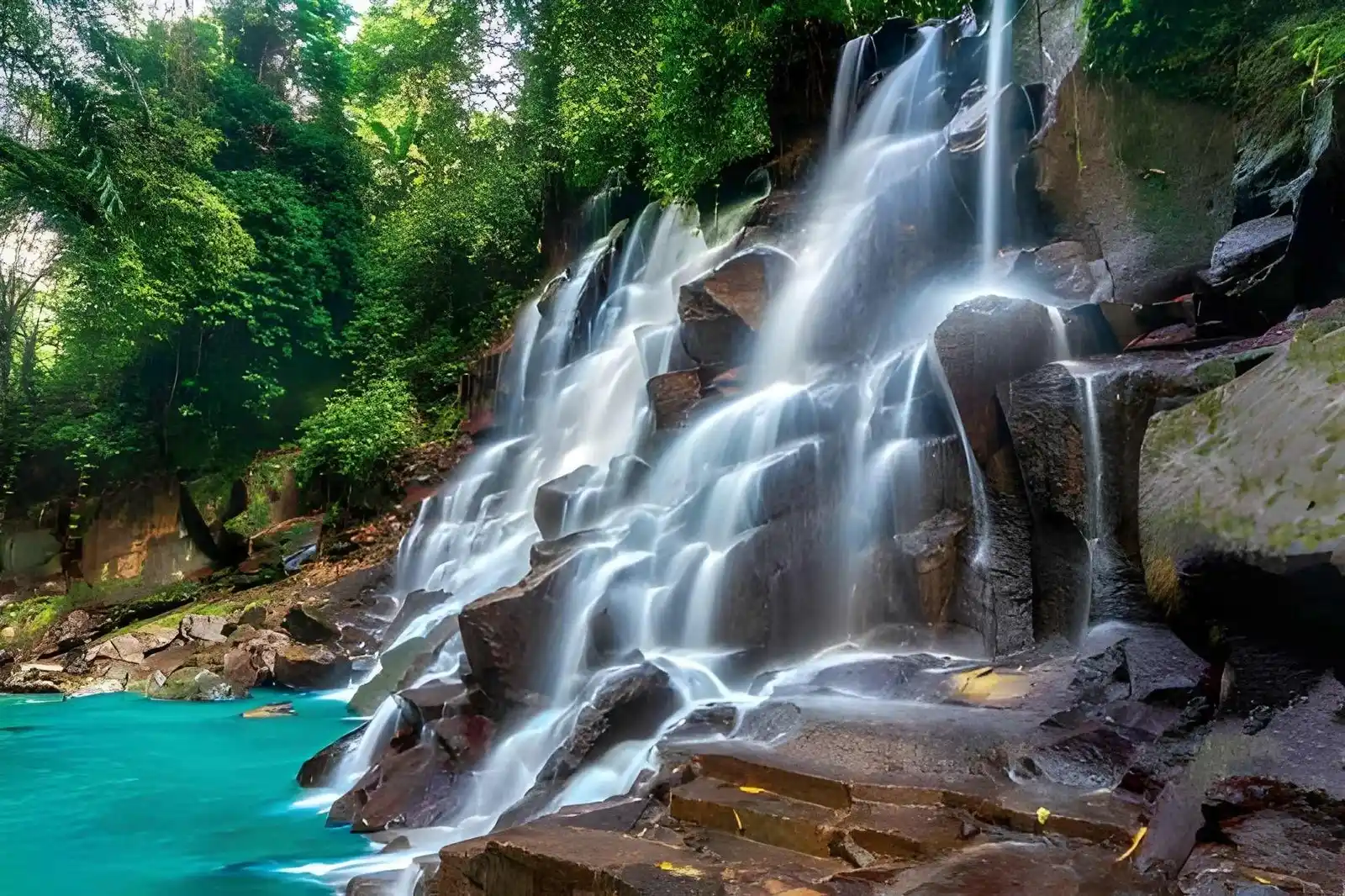
Kanto Lampo Waterfall is known for water flowing over a series of dark, stepped rock formations. Its appearance differs from Tukad Cepung’s narrow canyon, making the two destinations distinct choices for waterfall photography.
However, Kanto Lampo is not immediately next door to Tukad Cepung, so consider road conditions and the amount of time you have available before including it in the same day.
Read more: Kanto Lampo Waterfall Bali: Complete Guide, Tips & Nearby Spots
4. Penglipuran Village
If you want to balance nature with Balinese cultural heritage, consider visiting Penglipuran Village in Bangli. The village is known for its traditional layout, architecture, and carefully maintained surroundings.
It offers a different pace from a waterfall visit and can add variety to an inland Bali itinerary. Be respectful when walking through residential areas, and follow local guidance around homes and community spaces.
Practical Tips for Visiting Tukad Cepung Waterfall
A little preparation can make the visit more comfortable and help you respond to changing conditions.
- Wear footwear with good grip. The stairs, stream, and rocks can be slippery, so avoid relying on ordinary flip-flops.
- Bring a change of clothes. You may get wet while walking through the stream or standing near the waterfall.
- Protect your phone and camera. Use a waterproof pouch or dry bag and bring a cloth to wipe away spray.
- Carry drinking water. The return climb can be tiring, particularly in warm and humid weather.
- Bring cash in Indonesian rupiah. Entrance fees and other local charges may vary, so check the current arrangements before visiting.
- Check the weather before leaving. Heavy rainfall can make the gorge and stream dangerous even if conditions look manageable at your accommodation.
- Respect local rules and religious spaces. Follow signs and staff instructions, and do not enter restricted areas.
- Allow enough time for the return climb. Do not plan your schedule around the downhill walk alone.
- Be considerate when taking photos. The main viewing area can be narrow, so avoid blocking the route or occupying a popular spot for too long.
- Keep the natural setting clean. Take your rubbish with you and avoid disturbing the surrounding plants and rocks.
The most important tip is to prioritize safety over photographs. If the stream is rising, the rocks are too slippery, or local staff advise against entering, do not continue into the gorge.
Explore Tukad Cepung Waterfall and Bali with Marina Bali Tours
Tukad Cepung Waterfall is a worthwhile addition to your Bali itinerary if you enjoy distinctive natural scenery and want to experience a waterfall beyond the usual open jungle setting. Planning your visit around the morning light, current weather, and access conditions can help you make the most of your time in Bangli.
At Marina Bali Tours, we bring you closer to Bali through sightseeing experiences that connect you with the island’s natural attractions, cultural heritage, and local charm. Whether you want to visit Tukad Cepung Waterfall on its own or include it in a wider day of exploring, you can plan your journey around the places you want to see and the pace you prefer.
Explore our Bali tour packages to find an option for your trip and discover more of Bali along the way.
Frequently Asked Questions About Tukad Cepung Waterfall
Tukad Cepung Waterfall is located in Penida Kelod, Tembuku Village, Tembuku District, Bangli Regency, Bali, Indonesia.
Recent travel guides commonly report an entrance fee of around IDR 30,000 per person. This is an estimate, not a guaranteed current rate. Confirm the latest price and payment arrangements before visiting.
Morning, particularly around 9:00–11:00 AM, is a popular time to look for sunlight beams inside the canyon. The effect depends on the weather and the sun’s position, so it is not guaranteed.
Allow approximately 1–2 hours for the walk down, exploring the waterfall, taking photographs, and returning to the entrance. Add your driving time and any other sightseeing stops separately.
The route includes stone steps, uneven ground, and a stream crossing. Many visitors can manage it at a comfortable pace, but it may be challenging for people with mobility limitations or those uncomfortable walking on slippery rocks.
Tukad Cepung is not best approached as a swimming destination. Some visitors may wade in the water when conditions allow, but you should check local rules and current water conditions first. Avoid entering the stream when it is fast-flowing or after heavy rain.
Conditions can become hazardous during heavy rain because the stream may rise and rocks and steps can become slippery. Do not enter the gorge if rainfall is heavy, water levels are rising, or local staff advise against visiting.
Wear comfortable clothing and secure footwear with good grip. Water-resistant footwear or suitable water shoes can help on the stream crossing. Bring a change of clothes and protection for your phone or camera.
Yes. You can consider combining it with other Bangli-area waterfalls or Penglipuran Village. Plan around driving distances, weather, access conditions, and the time required for each stop rather than trying to fit too many destinations into one day.