
Tibumana Waterfall is a scenic waterfall in Apuan, Bangli, Bali, known for its elegant cascade, lush tropical surroundings, and short walking route through the countryside. Located east of Ubud, it offers a different experience from Bali’s larger, busier waterfalls, making it worth considering if you want to explore the island’s natural landscapes beyond its main tourist areas.
Before visiting Tibumana Waterfall, it helps to know the entrance fee, walking conditions, best time to arrive, and local rules around the waterfall pool. Here’s what to expect, how to plan your visit, and which nearby attractions you can consider adding to your Bali sightseeing itinerary.
What to Know Before Visiting Tibumana Waterfall
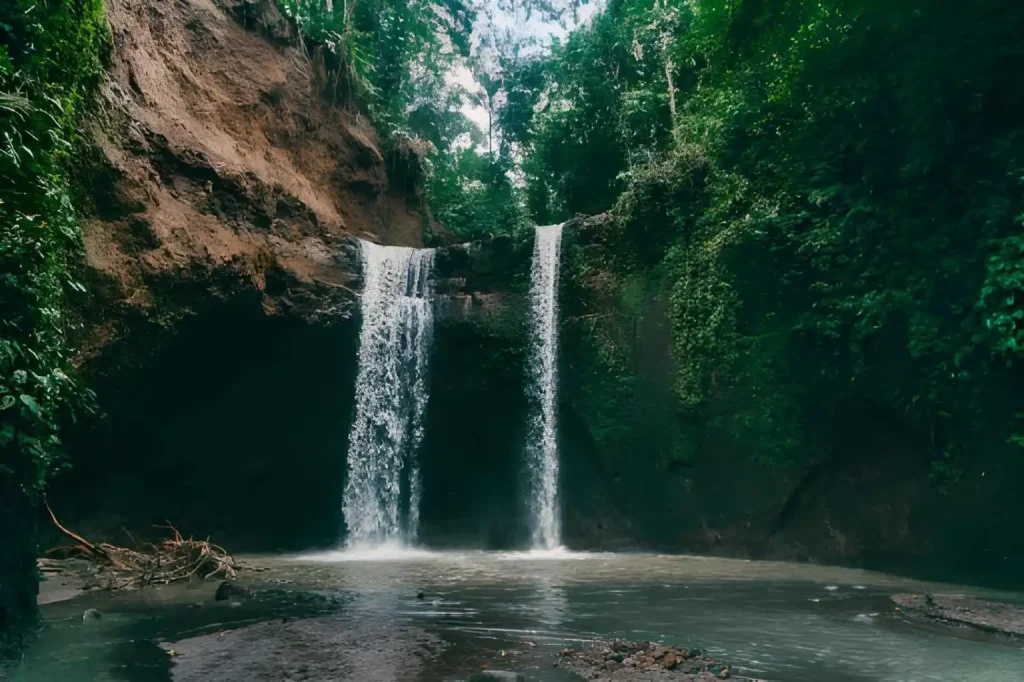
Tibumana is best approached as a nature stop where the experience depends on weather, water conditions, and the time you arrive. These practical details can help you decide whether it fits your travel plans.
Where Is Tibumana Waterfall?
Tibumana Waterfall is located in Apuan Village, Susut District, Bangli Regency, Bali. It lies in the island’s central countryside, east of Ubud, surrounded by tropical vegetation and rural landscapes.
The waterfall is commonly included in sightseeing routes from Ubud because it can be combined with other destinations around Bangli and central Bali. However, travel time depends on your starting point, traffic, and the other stops on your itinerary.
Tibumana Waterfall Entrance Fee and Opening Hours
The entrance fee reported by several recent visitor guides is approximately IDR 25,000 per person. Other listings show different prices, so treat this as a guide rather than a guaranteed current rate.
Opening hours are commonly listed as approximately 7:00 AM to 6:00 PM, although schedules can change. Confirm the latest arrangements locally before making a special trip.
| Visitor information | What to expect |
|---|---|
| Location | Apuan Village, Susut, Bangli, Bali |
| Estimated entrance fee | Around IDR 25,000 per person, subject to change |
| Commonly listed hours | Approximately 7:00 AM–6:00 PM |
| Walk from parking | Around 10–15 minutes, depending on pace and conditions |
| Facilities | Basic visitor facilities are reported, but availability can change |
| Payment | Carry cash in Indonesian rupiah |
What Makes Tibumana Waterfall Special?
Tibumana Waterfall stands out for its straight cascade, natural pool, and lush tropical surroundings in Apuan, Bangli. Unlike waterfalls known for wide, multi-tiered rock formations, Tibumana is appreciated for its relatively simple cascade and enclosed green setting.
Here’s what makes it worth adding to your Bali itinerary:
- A distinctive waterfall view: Water flows down a rocky cliff into a natural pool, creating a scenic focal point for photography.
- A lush natural setting: Tropical vegetation surrounds the waterfall, giving the area a green, sheltered atmosphere.
- A relatively short walk: Visitors reach the waterfall via a path and steps from the parking area, rather than undertaking a long jungle trek. Some sections can be slippery.
- A quieter nature experience: Tibumana can be a good choice if you want to explore Bali’s countryside and spend time around a waterfall without planning a full-day hike.
Best for: Travelers who enjoy nature photography, tropical scenery, and short waterfall visits. Actual water flow and the appearance of the cascade can vary with weather and seasonal conditions.
Can You Swim at Tibumana Waterfall?
Do not assume swimming is permitted at Tibumana Waterfall. Some travel guides describe the natural pool as a swimming spot, but the official Apuan Village website has published guidance stating that bathing in the pool is not permitted out of respect for local spiritual beliefs.
Before entering the water:
- Check the current rules: Ask local staff and follow signs at the waterfall. Restrictions may take priority over information in older travel guides.
- Respect local beliefs: If swimming is prohibited, enjoy the waterfall from the designated viewing areas instead.
- Consider weather conditions: Heavy rain can increase water flow, reduce visibility, and make rocks slippery.
- Avoid the base of the cascade: Falling water, submerged rocks, and changing currents can create hazards even when the pool looks calm.
Practical tip: Plan your visit around the scenery and walking experience rather than assuming you will be able to swim. This helps you avoid disappointment and respect local guidance.
How Long Should You Spend at Tibumana Waterfall?
Allow around 1–2 hours for the waterfall visit itself, including the walk down from the parking area, time to enjoy the scenery, photography, and the return walk. Your total visit may take longer if the path is busy or you prefer a slower pace.
Use this as a practical guide:
- 30–45 minutes: A brief visit for photos and a look at the waterfall, provided access is clear and you can walk comfortably.
- 1–2 hours: A more relaxed visit that includes the walk, time to appreciate the surroundings, and breaks.
- 2 hours or more: Allow extra time if you move slowly on steps, visit during busy periods, or want to explore without rushing.
These are planning estimates, not official time limits. They exclude the drive to Tibumana and any additional attractions you visit afterward.
Planning tip: If you want to combine Tibumana with other waterfalls or cultural attractions, account for road traffic and parking time between stops. Two or three well-chosen destinations can make a more comfortable day than trying to fit every nearby attraction into one itinerary.
You may also want to read this: 10 Most Beautiful Waterfalls in Bali You Should Visit
Best Time to Visit Tibumana Waterfall
The best time to visit Tibumana Waterfall is early in the morning, ideally between 7:00 AM and 9:00 AM, when visitor numbers are generally lower and the surrounding greenery receives softer light. Bali’s dry season, roughly April to October, is also a practical period to plan your visit, although actual conditions depend on recent rainfall.
Here’s how to choose the best time based on your priorities.
Best Time of Day
- Early morning (7:00 AM–9:00 AM): The best option for a quieter visit, cooler walking conditions, and photography before more visitors arrive. Aim to arrive close to opening time if you want to avoid the busier part of the morning.
- Mid-morning (9:00 AM–11:00 AM): Still a reasonable time to visit, but visitor numbers may start increasing. Allow extra time if you plan to take photographs or explore at a relaxed pace.
- Midday (11:00 AM–3:00 PM): The waterfall may be busier, and the walk can feel warmer and more humid. Consider this window if it fits your itinerary, but bring drinking water and take your time on the steps.
- Late afternoon (3:00 PM–4:00 PM): An alternative for travelers who cannot arrive early. Check the current closing time before setting out, and leave enough time for the return walk before the site closes.
These time windows are planning recommendations, not guarantees of crowd levels or lighting. Weekends, public holidays, weather, and tour schedules can all affect the experience.
Best Season to Visit Tibumana Waterfall
Bali generally has a drier season from around April to October and a wetter season from November to March. Each can offer a different view of Tibumana Waterfall.
- Dry season (April–October): Often offers more manageable walking conditions and a lower chance of prolonged heavy rain. Paths can still be slippery, and water clarity is not guaranteed.
- Rainy season (November–March): Rain can increase the waterfall’s flow and make the surrounding vegetation look especially lush. However, heavy rainfall may also cause muddy or slippery paths, murky water, stronger currents, or temporary access restrictions.
Practical Tips for Choosing Your Visit Time
- For photography: Aim for an early morning visit, when the area is often quieter and the light may be softer.
- For a more comfortable walk: Check the forecast and avoid visiting during or immediately after heavy rain if the path is slippery or local staff advise against entry.
- For fewer crowds: Consider a weekday morning rather than a weekend or public holiday.
- Before entering the pool: Confirm the current local rules. The Apuan Village website has published guidance prohibiting bathing in the pool out of respect for local spiritual beliefs, so do not assume swimming is allowed.
Our recommendation: Plan to arrive around 7:00 AM–9:00 AM during a relatively dry spell, then check local conditions before walking down to the waterfall. This gives you a good starting point for a more relaxed visit without treating weather, water conditions, or crowd levels as guaranteed.
How to Get to Tibumana Waterfall
Tibumana Waterfall is generally reached by road, followed by a walk from the designated parking area. Your starting point determines how much time you should allow for the journey.
From Ubud
Ubud is a practical starting point for visiting Tibumana because it is located in the same broad central Bali sightseeing region. The drive is commonly estimated at around 30–45 minutes, but actual travel time depends on your departure point, traffic, and road conditions.
If you are staying in central Ubud, consider leaving early to avoid spending the best part of the morning on the road.
Read more: Ubud Full Day Private Tour with Marina Bali Tours: A Seamless One Day Experience
From Seminyak, Canggu, or Kuta
Traveling from Bali’s southern tourist areas generally takes longer than traveling from Ubud. Traffic around busy roads can make the journey unpredictable, so check your route before departure and avoid relying on a fixed travel-time estimate.
If Tibumana is your main destination, you may prefer to make it part of a wider sightseeing day rather than driving to Bangli for a single short stop.
What Is the Walk to the Waterfall Like?
The route from the parking area includes walking paths and steps leading down toward the waterfall. Some sections may be damp or slippery, particularly after rainfall.
Wear footwear with good grip, take your time on the steps, and be prepared for the uphill walk when returning to the parking area. The route is not fully step-free, so travelers with mobility limitations should consider the terrain before visiting.
Places to Visit Near Tibumana Waterfall
Tibumana can be one stop in a wider sightseeing route around central Bali. Choose nearby destinations based on your interests and the amount of time available rather than trying to fit every attraction into a single day.
1. Taman Sari Waterfall
Taman Sari Waterfall, also known as Pengibul Waterfall in some travel listings, is another waterfall option in the wider Bangli area. It offers a different setting for travelers who want to explore more of Bali’s smaller cascades and natural surroundings.
Check the exact location before adding it to your route, as names and listings can vary. Confirm access, current fees, and water conditions locally.
2. Kanto Lampo Waterfall
Kanto Lampo Waterfall is known for water cascading over a series of dark, stepped rock formations. Its appearance differs from Tibumana’s more direct cascade, making the two waterfalls interesting alternatives for photography and nature sightseeing.
Visiting both may be possible within a broader day trip, but allow enough time for driving, walking, and any queues at the entrance or photo areas.
Read more: Kanto Lampo Waterfall Bali: Complete Guide, Tips & Nearby Spots
3. Goa Rang Reng Waterfall
Goa Rang Reng Waterfall is another natural attraction in the Gianyar area, known for water flowing over sloping rock formations. It can appeal to visitors who want to experience a waterfall with a different shape and approach.
As with any waterfall, check local access conditions before visiting and take care on wet, uneven surfaces.
4. Penglipuran Village
Penglipuran Village in Bangli is a cultural stop for travelers interested in traditional Balinese village architecture and local community life. Its character is different from Tibumana’s natural setting, so combining the two can add variety to a sightseeing itinerary.
Allow time to explore respectfully and follow any visitor guidance provided by the village.
How to Plan Your Route
The best combination depends on where you are staying and whether you prefer nature, culture, or a mixture of both.
- For waterfall sightseeing: Consider Tibumana alongside Kanto Lampo or another waterfall that fits your route.
- For nature and culture: Combine Tibumana with Penglipuran Village if the driving distances and available time work for your day.
- For a relaxed trip from Ubud: Start early, visit Tibumana first, and choose one additional destination rather than filling the itinerary with too many stops.
Check the route and travel time between each location before setting off. The closest attractions on a map are not always the quickest to reach by road.
You may also want to read our related guides below
Tips for Visiting Tibumana Waterfall
A little preparation can make your visit more comfortable and help you avoid common problems.
- Bring cash in Indonesian rupiah. Entrance fees and small purchases may need to be paid locally. Carry smaller denominations and confirm current prices at the ticket counter.
- Wear shoes or sandals with good grip. Wet steps, bridges, and rocks can become slippery, especially after rain.
- Pack a change of clothes if needed. The route can be damp, but only enter the water if local rules permit it and conditions are safe.
- Follow local instructions about the pool. Published information about swimming has differed, so check the current rules rather than assuming access is permitted.
- Protect your phone and camera. Spray, rain, and damp surfaces can put electronic equipment at risk.
- Check the weather before leaving. Heavy rain can affect both the waterfall and the walking route.
- Respect the natural and cultural setting. Keep the area clean, avoid disturbing local shrines, and follow any restrictions around sacred places.
- Allow enough time for the return walk. The route includes steps, so take your time on the way back to the parking area.
Explore Tibumana Waterfall and Bali with Marina Bali Tours
Tibumana Waterfall is a great addition to your Bali itinerary if you enjoy tropical scenery, peaceful surroundings, and short nature walks. With the right route, you can also combine your visit with nearby waterfalls, cultural landmarks, and other places worth exploring around Bali.
At Marina Bali Tours, we bring you closer to Bali through sightseeing experiences that connect you with the island’s natural attractions, cultural heritage, and local charm. Whether you want to visit Tibumana Waterfall on its own or include it in a wider day of exploring, you can plan your journey around the places you want to see and the pace you prefer.
Explore our Bali tour packages to find the right option for your trip and discover more of Bali along the way.





[…] Read more: Tibumana Waterfall Bali: Complete Guide, Fees & Travel Tips […]