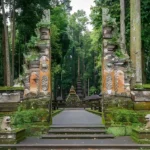
Bali’s dry season is the period when the island naturally shifts into its most reliable travel rhythm. From clearer skies and sunnier days to more active beaches and longer sunset hours, this season creates a version of Bali that feels easier to explore outdoors.
At the same time, dry season also brings more movement across the island. Popular areas become livelier, island trips run more frequently, and key destinations feel more active throughout the day. It’s a balance between ideal travel conditions and a naturally busier atmosphere.
Here’s how Bali actually feels during dry season and what you need to know to plan your trip more comfortably.
When Is Dry Season in Bali?
Bali’s dry season generally runs from May to October, with the most stable and popular travel period usually falling between June and August.
During this period, temperatures typically range from around 27°C to 31°C, with lower humidity compared to the wet season. The weather feels warmer during the day, but more comfortable in the late afternoon thanks to coastal breezes, especially around beach and cliff areas.
Rainfall is minimal, and skies are often clear, making it ideal for outdoor activities such as beach trips, surfing, island hopping, and sunset viewing.
Key conditions during dry season:
- stable warm temperatures around 27°C–31°C
- lower humidity compared to wet season
- longer sunny hours throughout the day
- clearer skies for sunsets and photography
- improved sea visibility for island trips
While conditions are highly favorable for travel, this period also overlaps with peak tourism season, especially during July and August, when both weather quality and visitor demand are at their highest.
What Bali Feels Like During Dry Season
Dry season changes how Bali is experienced on a daily level. The island feels more open to outdoor movement, where mornings, afternoons, and evenings naturally revolve around beaches, cafés, and sunset locations.
Weather conditions are generally clearer, which makes activities like island hopping to Nusa Penida, surfing along the coast, or exploring rice terraces around Ubud feel more comfortable and consistent.
This is also the season when Bali’s coastal lifestyle becomes more active:
- beach areas feel more lively throughout the day
- sunset culture becomes a daily highlight
- outdoor cafés and restaurants stay busy longer
- island trips run more reliably under stable sea conditions
At the same time, dry season also naturally brings more visitors, which gradually changes the rhythm of travel across the island.
Peak Season & Crowd Levels During Bali Dry Season
Dry season doesn’t just change the weather, it also changes how people move around the island. Because this is the most reliable travel period in Bali, visitor numbers naturally increase, especially in popular coastal and cultural areas.
Where Crowds Are Most Noticeable
During July and August, some areas feel more active than others, especially:
- Canggu: cafés, surf beaches, sunset hours
- Seminyak: beach clubs, dining areas
- Uluwatu: sunset spots, cliff beaches
- Nusa Penida: boat departures & viewpoints
How It Actually Feels
Even during peak dry season, Bali doesn’t feel overwhelming. Instead, it feels more active, more social, and more structured around timing.
The key difference is not whether Bali is crowded, but how predictable and lively the movement becomes during this period.
Read more: Bali High Season In 2026: Best Time to Visit & Smart Travel Tips
Best Things to Do During Bali Dry Season
Dry season is when Bali becomes fully open for outdoor experiences, with more reliable weather and better conditions for exploring both the coast and inland areas.
Here’s how you can actually make the most of it through the island’s most rewarding activities during this season.
1. Uluwatu Sunset Cliff Experiences

Uluwatu becomes one of the most consistent sunset locations in Bali during dry season. The skies are usually clearer, the ocean horizon feels sharper, and the cliffside atmosphere becomes more active in the late afternoon.
This is not just about watching the sunset, it’s about the full coastal experience that builds around it.
What makes Uluwatu special during dry season:
- clear sunset visibility from cliff viewpoints
- ocean breeze with more stable weather conditions
- beach clubs and cliff cafés becoming evening hubs
- surf activity visible from elevated viewpoints
- slower transition from day to night along the coast
The combination of natural scenery and coastal rhythm makes this one of Bali’s most defining dry season experiences.
Read more: 5 Best Sunset Spots in Uluwatu for Epic Cliff Views
2. Island Trips to Nusa Penida

Dry season is the most reliable time to visit Nusa Penida due to calmer sea conditions and better visibility for both boat travel and ocean viewpoints.
The island feels more accessible during this period, especially for full-day exploration.
Key dry season advantages:
- more stable boat crossing conditions
- clearer visibility at cliff viewpoints
- better snorkeling conditions in selected areas
- easier access to popular spots like Kelingking and Broken Beach
- more predictable full-day tour timing
Because of high demand, morning departures tend to be busier during July and August, making early planning more important.
3. Snorkeling & Ocean Activities

Bali’s underwater visibility improves significantly during dry season, especially in coastal and nearby island waters.
This makes snorkeling and diving experiences more enjoyable and visually rewarding compared to wetter months.
Common dry season highlights include:
- clearer water conditions in island areas
- improved visibility for marine life observation
- more consistent tour schedules
- better weather conditions for boat-based activities
- ideal pairing with island hopping trips
This is one of the reasons why dry season is considered peak period for ocean-based activities around Bali.
4. Surfing Along Bali’s Southern Coast

Dry season aligns with Bali’s most consistent surfing conditions, especially along the southern coastline.
Areas like Canggu, Uluwatu, and surrounding beaches become active surf zones with more predictable wave patterns.
What defines surfing during this season:
- more consistent wave conditions
- active surf culture across beach areas
- beginner to advanced surf spots available
- sunrise and sunset surf sessions
- strong coastal community atmosphere
Even for non-surfers, the beach environment during this season feels more dynamic and visually engaging.
5. Beach Hopping Across Southern Bali
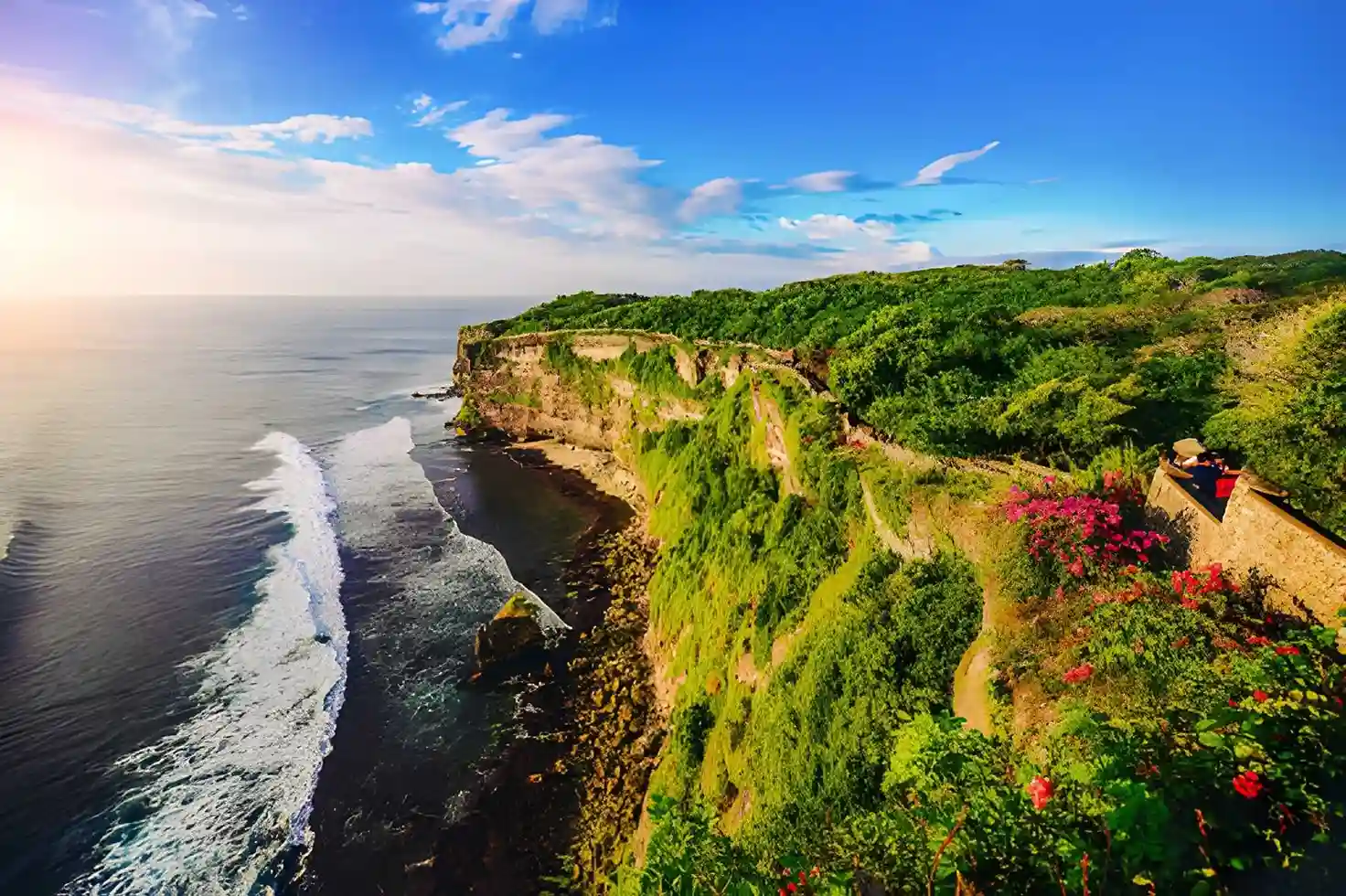
Dry season makes beach exploration easier because weather conditions are more stable and road access between coastal areas becomes more predictable.
From hidden coves to popular sunset beaches, southern Bali offers a wide variety of coastal experiences within relatively short distances.
Typical beach hopping experiences include:
- cliff-access beaches with dramatic views
- calmer bays for swimming and relaxation
- sunset-focused beaches with social atmosphere
- café stops between coastal routes
- combining multiple beaches in one-day itineraries
This flexibility is one of the biggest advantages of visiting Bali during dry season.
6. Waterfall Visits in Central Bali

Even during dry season, Bali’s waterfalls remain active and enjoyable, especially in the central regions around Ubud and surrounding highlands.
While water flow may be slightly lower compared to rainy season, access conditions are usually easier and safer.
What makes waterfall visits good during dry season:
- easier trekking paths due to lower rainfall
- more stable access roads
- comfortable morning temperatures
- better combination with rice terraces or café stops
- less weather disruption during visits
This makes waterfall exploration a reliable inland activity during this season.
7. Ubud Rice Terrace Exploration

Rice terraces around Ubud become especially pleasant during dry season due to clearer skies and more comfortable walking conditions.
Morning visits are usually the best time to experience the landscape at its calmest.
Key highlights include:
- scenic green landscapes under stable weather
- cooler morning temperatures
- quieter atmosphere before midday crowds
- easy access from nearby cafés and cultural sites
- photography-friendly lighting conditions
This is one of the most balanced nature experiences during Bali’s dry season.
8. Sunrise & Early Morning Experiences
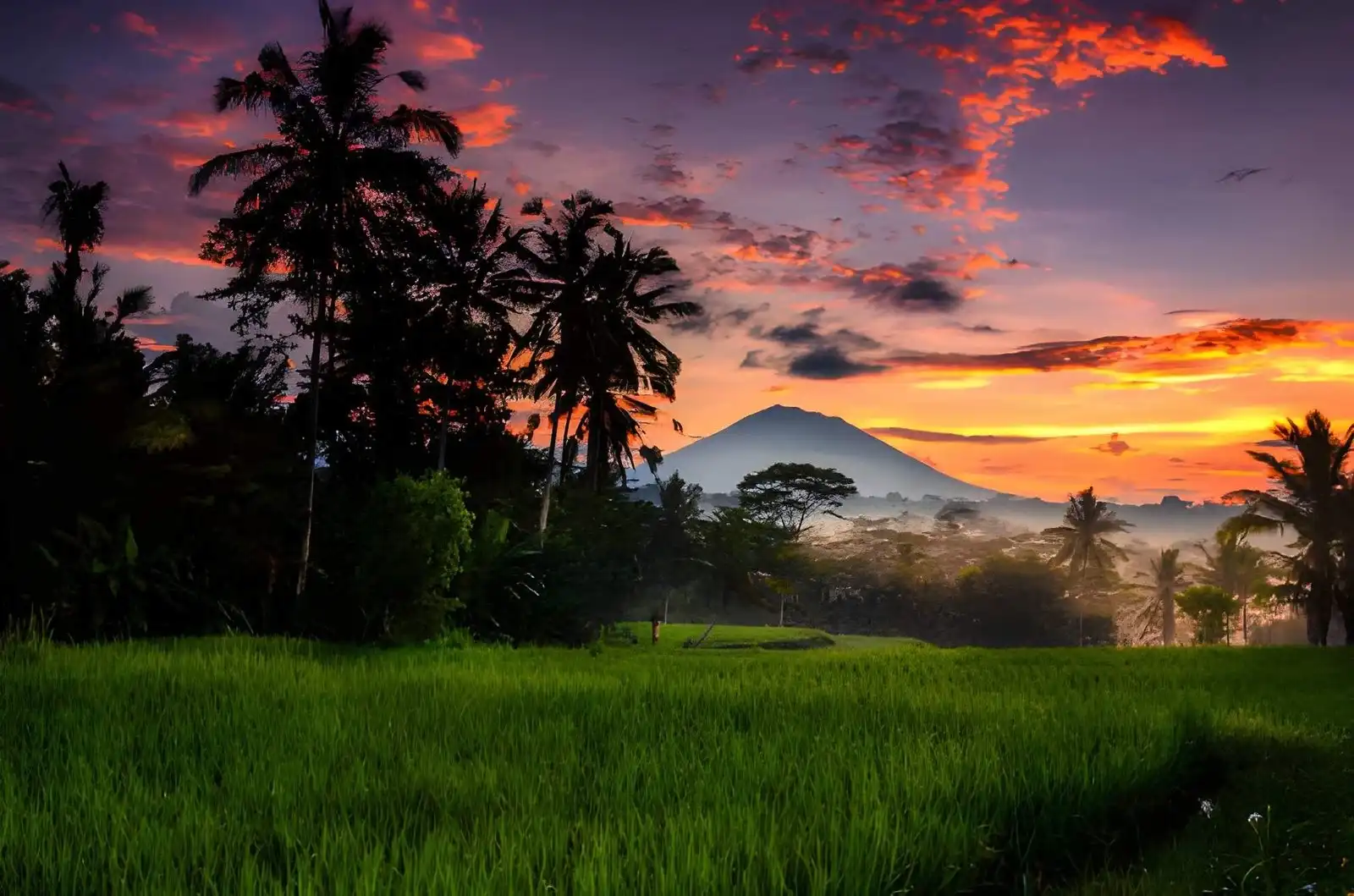
Dry season makes early morning activities more enjoyable because weather conditions are typically cooler and more predictable.
Whether it’s coastal walks, viewpoints, or inland scenery, mornings feel more open and less rushed.
Common sunrise experiences include:
- beachfront walks in calmer conditions
- sunrise viewpoints across coastal areas
- early café culture starting the day
- photography-friendly natural lighting
- combining sunrise with travel routes
Morning timing becomes an important part of maximizing dry season travel.
You may also want to read this: 10 Best Sunrise Spots in Bali for Stunning Morning Views
9. Spa & Wellness Experiences

Dry season naturally supports slower, outdoor-friendly routines, making spa and wellness experiences more enjoyable across Bali.
From jungle retreats to coastal wellness centers, the island offers a wide range of relaxation-focused activities.
Typical wellness experiences include:
- traditional Balinese spa treatments
- yoga and meditation sessions
- jungle-view wellness retreats
- recovery-focused slow travel days
- combining wellness with nature settings
This adds balance to Bali’s more active coastal and adventure experiences during dry season.
You may also want to read this: Mid-Year Escape in Bali: Why July & August Feel Like the Perfect Island Reset
Best Areas to Stay During Bali Dry Season
Choosing where to stay during dry season has a big impact on how smoothly your Bali trip flows, especially when weather is ideal but movement across the island becomes more active.
Each area offers a different rhythm, depending on whether you want more energy, nature, or balance between both.
More Vibrant Areas
If your dry season plan focuses on beaches, sunsets, cafés, and social atmosphere, southern Bali is usually the most active zone.
- Canggu: surf culture, cafés, and beach lifestyle
- Seminyak: restaurants, beach clubs, and sunset dining
- Uluwatu: cliffs, ocean views, and sunset experiences
These areas feel especially lively during dry season evenings when outdoor movement peaks.
More Relaxing Areas
If your goal is a slower rhythm during dry season, Bali still offers areas that feel more grounded and less crowded.
- Ubud: rice fields, wellness, and cultural atmosphere
- Sanur: sunrise walks and calmer beaches
- Sidemen: quiet landscapes and mountain views
These areas work well for balancing out busier coastal itineraries.
Read more: Where to Stay in Bali During High Season: Best Areas for Every Type of Trip
Dry Season Travel Tips for Bali
Dry season offers some of the best travel conditions in Bali, but it also requires smarter timing and planning due to higher visitor movement across popular routes.
Small adjustments can significantly improve your overall experience during this period.
- Book Everything Earlier Than Usual
Accommodation and popular activities can fill faster during dry season, especially in coastal areas and island destinations like Nusa Penida.
- Start Your Days Earlier
Morning hours are usually the most comfortable part of the day, with cooler temperatures and less crowded attractions.
- Expect More Movement in Popular Areas
Places like Canggu and Seminyak tend to feel more active, especially around café hours and sunset time.
- Avoid Overpacked Itineraries
Dry season makes it tempting to visit many places in one day, but Bali’s traffic and distances still require realistic planning.
- Stay Closer to Your Main Activity Focus
Choosing accommodation based on your main activities helps reduce unnecessary travel time across the island.
Explore Bali More Comfortably During Dry Season With Marina Bali Tours
Dry season is the time when Bali feels most open for exploration, from sunrise experiences in Sanur to sunset cliffs in Uluwatu, rice terraces in Ubud, and island trips to Nusa Penida.
With more movement across the island during this season, planning routes and timing becomes just as important as choosing destinations.
Through a Bali Tours Package by Marina Bali Tours, you can explore Bali more comfortably with better route coordination, smoother transfers, and more efficient travel flow during peak dry season months.
For more Bali travel guides, island experiences, and destination planning tips, continue exploring our related articles below.
FAQs About Bali Dry Season
What months are considered dry season in Bali?
Bali’s dry season generally runs from April to October, with the most stable weather usually between June and August.
Is Bali crowded during dry season?
Yes, dry season is one of the busiest travel periods, especially in popular coastal areas and island destinations.
Is dry season the best time to visit Bali?
For most travelers, yes. Dry season offers better weather conditions for beaches, outdoor activities, and island trips.
Is Nusa Penida good during dry season?
Yes, dry season is one of the best times to visit Nusa Penida due to more stable sea conditions and clearer visibility.
Where should I stay during Bali dry season?
It depends on your travel style. Canggu and Seminyak are more vibrant, while Ubud and Sanur are more relaxed.
What should I prepare for Bali dry season?
You should prepare early bookings, realistic itineraries, and expect more movement in popular areas, especially during peak months like July and August.